AKIO NARIMATSU
- Secure an ETC Card with your Rental: When booking a vehicle for Kyushu, explicitly request an Electronic Toll Collection (ETC) card. Rural Kyushu is connected by high-quality expressways that save hours of transit time, and cash-less toll booths are the standard for seamless travel.
- Monitor Mt. Aso Activity Daily: The Nakadake Crater is one of the world’s most active volcanoes. Access levels change by the hour based on gas emissions; bookmark the official Aso Volcano Disaster Prevention Council website to check accessibility before you start your engine.
- Prioritize “Michi-no-Eki” for Culinary Authenticities: Skip the convenience store lunches. Japan’s Roadside Stations (Michi-no-Eki) offer hyper-local produce, regional specialties, and bento boxes you won’t find in major cities.
- The 4:00 PM Ryokan Rule: To truly appreciate the luxury of a Kurokawa Onsen or Yufuin retreat, aim to check in by 4:00 PM. This allows for a pre-dinner soak and a stroll through the village before the “onsen-gai” (hot spring town) atmosphere peaks at dusk.
The Invisible Barrier: Why Your Second Trip Feels Harder Than the First
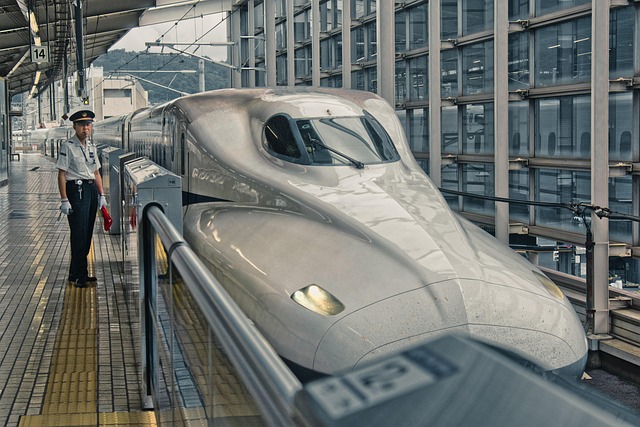
Most travelers find their first trip to Japan surprisingly easy. The “Golden Route”—Tokyo, Kyoto, and Osaka—is a finely tuned machine designed for English-speaking tourists. The trains run like clockwork, and the path is well-trodden. However, the “Second Trip Paradox” hits when travelers venture into the rugged, volcanic heart of Kyushu.
The genuine frustration that guidebooks omit is the logistical transition from rail to road. In Kyushu, the JR Pass loses its luster, and the freedom of a rental car introduces a new set of anxieties: navigating mountain passes so narrow they feel like one-way alleys, understanding the complex etiquette of rural bathhouses, and the sudden realization that English signage drops off precipitously once you leave Fukuoka’s city limits. The frustration isn’t the destination; it’s the mental shift required to navigate a landscape that doesn’t cater to the mass-transit traveler.
Field-Tested Strategies for the Kyushu Circuit
To master a Kyushu road trip, you must adopt the “loop logic.” Starting and ending in Fukuoka is the most cost-effective strategy, avoiding the steep “drop-off fees” rental agencies charge for returning a car in a different prefecture. But the real secret lies in the direction of your journey. By heading toward Kurokawa Onsen first, you build your itinerary around the most restrictive element: high-end Ryokan availability.
In the Takachiho region, travelers often struggle with the timing of the famous rowing boats. The insider workaround is to skip the pre-booking stress and arrive 30 minutes before the ticket office opens for the walk-up slots. While others are tethered to their 11:00 AM reservation, you’ve already finished your row and are heading toward the Aso-Kuju National Park while the light is still perfect for photography.
Furthermore, veteran travelers know that Beppu and Yufuin serve two entirely different purposes. Beppu is for the “Hells” (spectacular volcanic pits) and a grittier, retro-showa vibe, while Yufuin is for boutique shopping and refined aesthetics. If you are seeking serenity, book your stay in the outskirts of Yufuin, but do your bathing in the hidden, steam-filled backstreets of Beppu’s Kannawa district.
The Insider’s View: Why Kyushu is the New Luxury Frontier
From an industry perspective, Kyushu represents the future of sustainable high-end tourism in Japan. While Kyoto grapples with over-tourism, Kyushu offers “stealth luxury.” This is found in the architectural silence of a forest-shrouded ryokan in the Aso caldera or the profound spiritual weight of a sunrise at the Amano Yasukawara cave.
The true value of a Kyushu road trip isn’t just seeing the sights; it’s the ability to pause at a nameless volcanic viewpoint or a local pottery studio in Onta that a tour bus could never reach. We are seeing a massive shift toward “slow travel” in the south. My advice? Don’t over-schedule. The magic of Kyushu happens in the gaps between the map markers—in the steam rising from a roadside drain or the conversation with a farmer at a mountain lookout. This isn’t just a vacation; it’s a recalibration of what it means to travel in the modern age.