AKIO NARIMATSU
Mastering the Frozen North: A Strategic Guide to Hokkaido in Winter
- Leverage the “Takkyubin” Advantage: Never drag heavy suitcases through slush or onto crowded trains. Use luggage forwarding services to send your bags between hotels for a nominal fee, allowing you to travel light with just a backpack.
- Equip “City Spikes” Immediately: Upon arrival at New Chitose Airport or Sapporo Station, visit a convenience store to purchase removable non-slip ice grips for your shoes. They are inexpensive and essential for navigating black ice on urban sidewalks.
- Prioritize Limited Express Reservations: Winter weather frequently causes delays or cancellations. Secure reserved seating on the Lilac or Kamui limited express trains days in advance to ensure you aren’t standing in a freezing vestibule during a two-hour journey.
- The “Three-Layer” Rule: Forget heavy overcoats. Invest in a high-quality thermal base layer (Uniqlo Heattech Ultra Warm or Merino wool), a down mid-layer, and a windproof, waterproof shell to manage the transition between sub-zero outdoors and aggressively heated indoors.
The “Real” Problem: The Logistics of Exhaustion
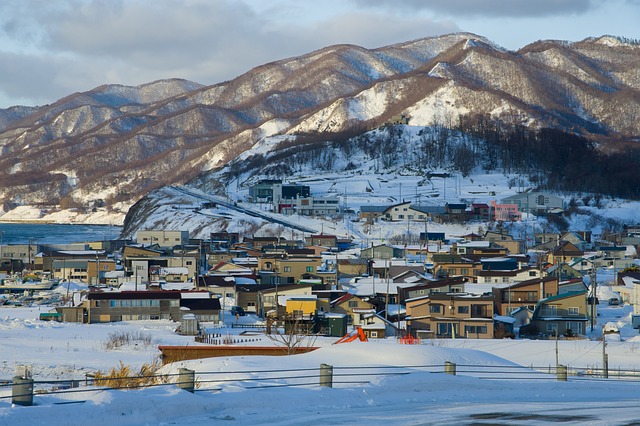
Most guidebooks paint Hokkaido in winter as a serene, diamond-dust wonderland. While aesthetically true, they gloss over the grueling physical reality of the region: Logistical Friction. Traveling through Hokkaido in January or February is not a standard vacation; it is an expedition. The genuine frustration isn’t just the cold—it’s the cumulative fatigue caused by maneuvering bulky gear through thigh-deep powder, the anxiety of watching the “service suspended” signs flash at train stations due to heavy snowfall, and the “slush-drag” of pulling suitcases through half-melted city streets.
First-time visitors often over-schedule their itinerary, attempting to see Sapporo, Asahikawa, Biei, and Hakodate in a single week. In the Japanese winter, a distance that looks like a two-hour transit on a map can easily become a five-hour ordeal. This “time-tax” is the hidden cost of a Hokkaido winter trip, often leading to burnout before the traveler even reaches the hot springs of Noboribetsu.
Field-Tested Workarounds: The Insider Strategy
The Biei “Photo Taxi” Maneuver
Biei is world-famous for its “Tree of Seven Stars” and the “Christmas Tree,” but relying on local buses or walking in waist-deep snow is a recipe for disaster. The most effective workaround used by seasoned travelers is the Biei View Bus or, more efficiently, hiring a local taxi for a fixed-rate two-hour tour. These drivers are masters of winter roads and know the exact angles for the best lighting, saving you hours of trekking through frozen fields.
The Asahiyama Zoo Timing Hack
The Penguin Walk at Asahiyama Zoo is a bucket-list item, but the crowds can be claustrophobic. The secret is to bypass the morning rush. Most tour groups arrive for the first walk and leave by lunch. By arriving for the afternoon session and staying until the zoo’s early winter closing time, you experience a much quieter, more intimate atmosphere as the sun begins to dip low over the enclosures.
The Noboribetsu “Onsen-First” Approach
Many tourists treat the Hell Valley (Jigokudani) in Noboribetsu as a quick photo-op. To truly maximize the experience, book a ryokan with “Ho-yoku” (multiple bath) access. The hack here is to visit the natural footbath (Oyunuma Brook) in the late afternoon when the steam is most dramatic against the twilight, then retreat to the indoor sulfur baths just as the day-trippers are heading back to the bus terminal.
The Insider Perspective: Hokkaido as a State of Mind
From my years advising inbound luxury travelers, I’ve observed that the most successful Hokkaido trips are those that embrace “Ma” (the space between). In winter, Hokkaido demands a slower pace. The region is not about checking boxes; it is about the sensory contrast between the brutal, unforgiving outdoor chill and the profound, healing warmth of a volcanic hot spring or a bowl of butter-corn ramen.
If you are planning a northern expedition, my professional advice is to build “buffer days” into your itinerary. Do not book non-refundable connections on the day you are meant to travel between cities. Hokkaido’s weather is the ultimate itinerary-maker. Respect the snow, outsource your heavy lifting to the world-class courier services, and remember that in the North, the journey through the white-out is just as much a part of the story as the destination itself. The luxury of Hokkaido is found in its silence—but you have to be prepared enough to actually hear it.