AKIO NARIMATSU
Elevating the Second Act: How to Master the Japan Return Journey
- Leverage Regional Rail Passes: For a second trip, skip the national JR Pass and opt for regional versions like the Kyushu Rail Pass or the JR East Pass. These offer significantly better value for deep exploration of specific areas.
- Master the “Open-Jaw” Itinerary: Don’t waste a full day backtracking to Tokyo. Book your arrival into Narita/Haneda and your departure from Fukuoka, Osaka, or Sapporo to maximize your sightseeing time.
- Prioritize Luggage Forwarding (Takkyubin): Use takyubbin services to send your heavy suitcases from city to city for about $15–$20 per bag. This allows you to explore smaller towns and rural ryokans unencumbered.
- Book “D&S” Trains Early: Japan’s “Design and Story” trains, such as the Yufuin no Mori, are experiences in themselves. These often sell out weeks in advance, so utilize online booking portals as soon as they open.
The Invisible Friction of the “Golden Route” Hangover
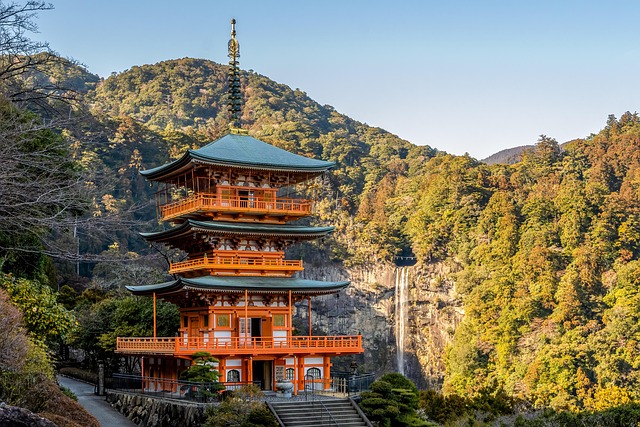
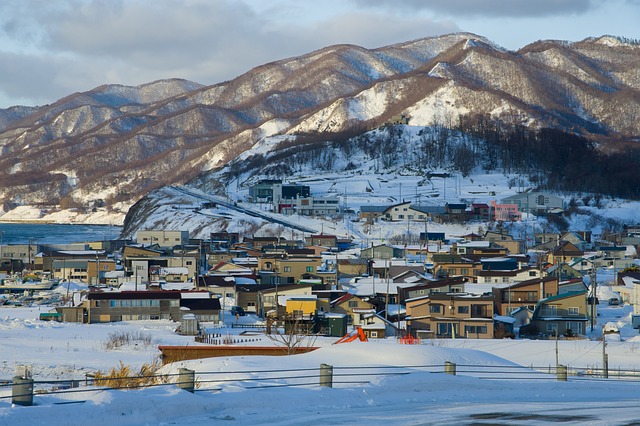
The most significant challenge facing the returning traveler isn’t a lack of things to see; it is the mental exhaustion of the checklist. On a first trip to Japan, the pressure to see the “Big Three”—Tokyo, Kyoto, and Osaka—is immense. Guidebooks focus on these hubs because they are logistically simple. However, the frustration for second-time visitors lies in the realization that the “real” Japan they seek—the quiet moss gardens, the steaming volcanic landscapes of the south, or the rugged coasts of the north—requires a completely different logistical blueprint.
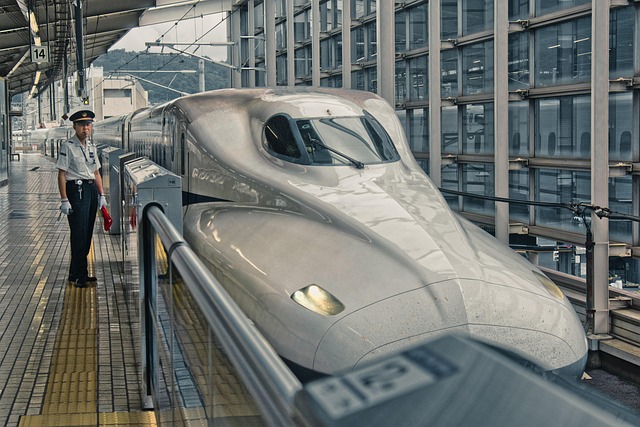
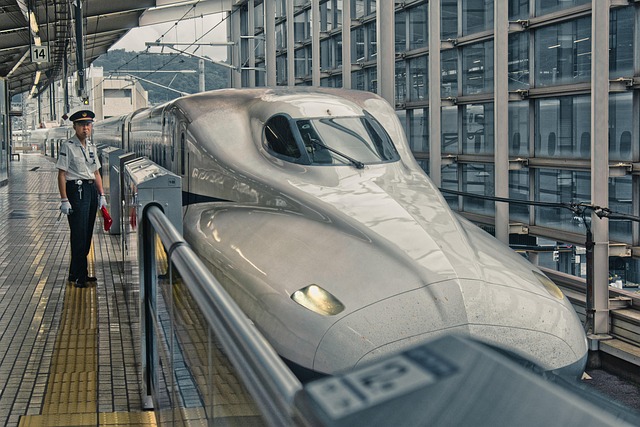
Most travelers try to apply their first-trip logic to a second-trip itinerary. They attempt to string together far-flung rural locations using the same high-speed Shinkansen mindset, only to find themselves trapped in local train stations with two-hour wait times or discovering that the “scenic” route is actually a grueling day of transfers. The genuine problem is the transition from a city-centric infrastructure to a regional one, where English signage thins out and the rhythm of travel slows down significantly.
Field-Tested Workarounds for the Sophisticated Explorer
To navigate the complexities of Japan’s deeper regions, savvy travelers are turning to hub-and-spoke logistics. Instead of moving hotels every night, select a central regional hub—like Kumamoto in Kyushu or Sendai in Tohoku—and use it as a base for three to four days of day trips. This allows you to travel with a small daypack while your main luggage remains at your “base” hotel, dramatically reducing travel fatigue.
Another insider secret involves the SunQ Bus Pass in regions like Kyushu. While the Shinkansen is iconic, the geography of Japan’s mountainous islands often means that buses are the only way to reach the most pristine onsen towns and coastal villages. In many cases, a highway bus will take you door-to-door to a remote ryokan, whereas a train would require three transfers and a taxi. Furthermore, for those exploring the Japanese countryside, the Michi-no-Eki (roadside stations) serve as cultural goldmines. These are not mere rest stops; they are curated markets featuring the absolute best local produce, sake, and crafts of that specific prefecture, often at prices far lower than city department stores.
The Insider Perspective: From Sightseeing to Experience Seeking
As an industry professional, I have observed a profound shift in how successful return itineraries are built. The secret is no longer about “where” you go, but “how” you exist in the space. On a first trip, you are an observer; on a second trip, you should aim to be a participant. This means trading a busy afternoon of temple-hopping for a private kashikiri (reserved) hot spring bath overlooking a cedar forest, or spending an entire morning at a local morning market (Asaichi) rather than rushing to a museum.
The true luxury of a second trip to Japan is permission to slow down. The Japanese infrastructure is uniquely designed for “Slow Travel,” but it requires the traveler to trust the local systems. By focusing on a single region and embracing the logistical nuances of local buses and regional trains, you unlock a version of Japan that feels personal, unhurried, and infinitely more rewarding than any “Top 10” list could ever provide.
KEYWORDS: kyushu railway, rural japan landscape, luxury ryokan onsen
Photo: Pixabay / Pixabay License