AKIO NARIMATSU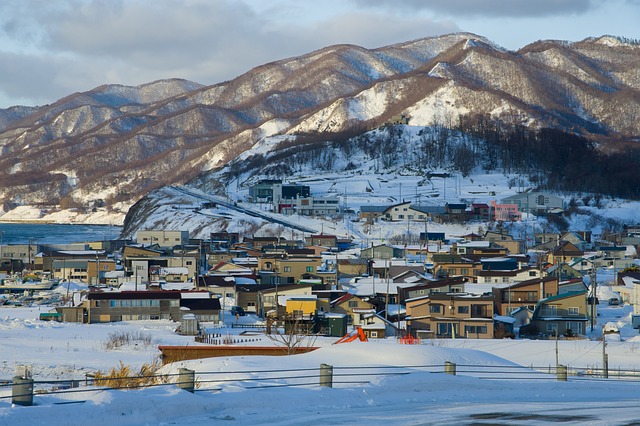
Quick Wins for Your Winter Japan Expedition
- The Six-Month Rule: If you plan to attend the Sapporo Snow Festival, book your accommodation at least six months in advance. Availability in central Sapporo vanishes faster than cherry blossoms in a storm.
- Master the “Takkyubin” Strategy: Moving heavy winter suitcases through snow-slicked streets or crowded Shinkansen aisles is a recipe for exhaustion. Use luggage forwarding services to send your main bags between major hubs (e.g., Tokyo to Sapporo) and travel with only a backpack for 1-2 nights.
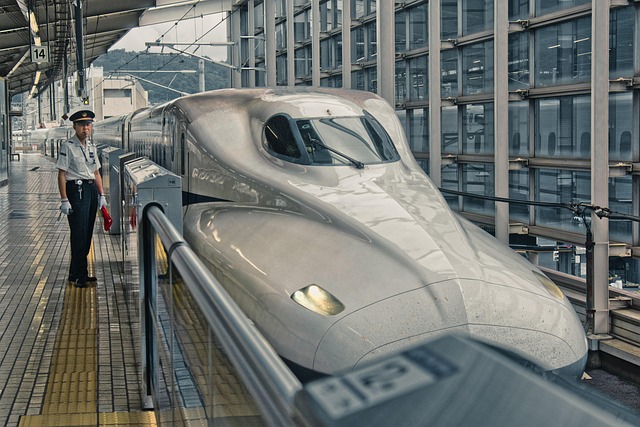
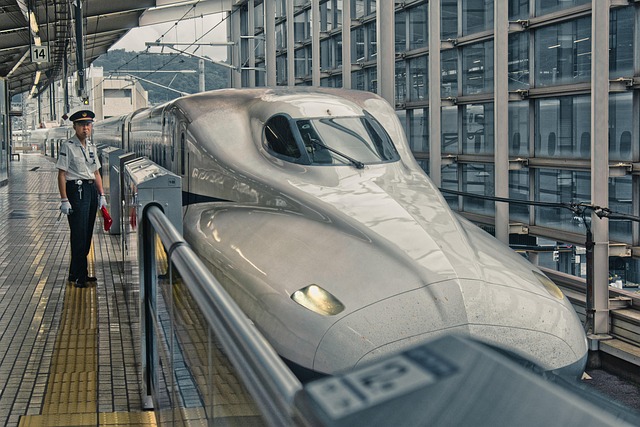
- Fly North, Rail South: While the Shinkansen to Hokkaido is a feat of engineering, it is time-consuming. Use domestic “Experience Japan” fares from JAL or ANA to fly into Sapporo (New Chitose) and save your rail pass days for the dense transit networks of Honshu.
- Thermal Efficiency: Guidebooks suggest “warm clothes,” but insiders know the real secret is moisture-wicking base layers (like UNIQLO Heattech) combined with easy-to-shed outer layers, as Japanese indoor heating is notoriously aggressive.
The Invisible Friction of Winter Travel
Most guidebooks present a winter itinerary as a picturesque series of postcards: the snow monkeys of Nagano, the illuminated gassho-zukuri farmhouses of Shirakawa-go, and the towering ice sculptures of Sapporo. What they fail to mention is the logistical friction that winter creates. In February, the transition between Japan’s climate zones is jarring. You aren’t just moving between cities; you are moving between different operational realities.
The “real” problem is the fatigue of the “Golden Route plus Hokkaido” ambition. Travelers often underestimate how the freezing temperatures of the north drain physical energy, making a standard 21-day itinerary feel twice as long. Furthermore, many find themselves trapped in a cycle of “check-in/check-out” during the peak festival season, where the sheer volume of domestic tourists makes spontaneous dining or transport adjustments nearly impossible.
Field-Tested Solutions for the Snow Season
Strategic Hubbing in Hakodate
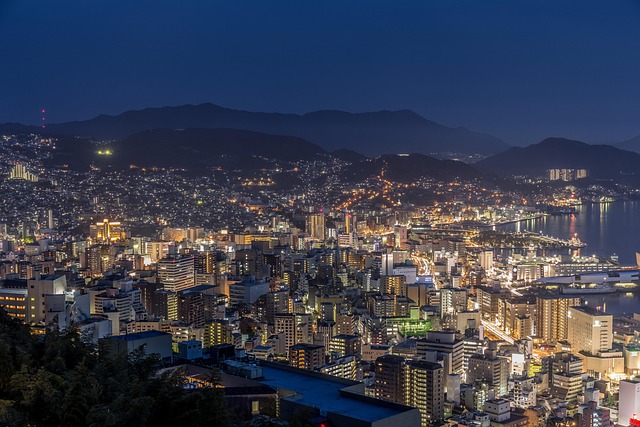
Instead of rushing from Sapporo back to Tokyo, use Hakodate as a strategic 2-night “decompression” hub. It offers a sophisticated seafood scene and the iconic night view from Mount Hakodate, but more importantly, it serves as the perfect transition point for the Hokkaido Shinkansen. It allows you to break up the long journey south while experiencing a distinct maritime winter culture that Sapporo lacks.
The Kanazawa-Takayama-Nagoya Pipeline
To avoid the redundancy of back-and-forth travel, utilize the “back door” route through the Japanese Alps. After visiting the snow monkeys in Nagano, head to Kanazawa. From there, use the Nohi Bus network to traverse Shirakawa-go and Takayama, eventually exiting through Nagoya. This creates a seamless geographical flow that hits the most atmospheric winter spots without ever retracing your steps.
Prioritizing the “Blue Hour”
In February, the sun sets early—often by 4:30 PM or 5:00 PM. Expert travelers schedule their long-distance train movements during these dark hours. By using the late afternoon for transit, you preserve the precious 10:00 AM to 4:00 PM window for sightseeing when the winter light is best for photography and the temperatures are at their most tolerable.
The Insider’s Edge: February is Japan’s “Second Peak”
As an industry insider, I view February not as the “off-season,” but as the “Connoisseur’s Peak.” While April gets the headlines for blossoms, February offers a level of visual drama that is unmatched. However, the margin for error is razor-thin. The success of a 3.5-week winter trip hinges entirely on rhythm.
My professional recommendation is to resist the urge to see “everything.” If you are doing the Sapporo Snow Festival, you are committing to a high-energy, high-crowd event. Balance this by scheduling “low-impact” days in places like Uji or the outskirts of Kyoto immediately afterward. The juxtaposition of the frozen north and the mossy, damp chill of a Zen garden in central Japan is the ultimate way to experience the country’s seasonal soul. Remember: in winter, the best luxury isn’t a five-star hotel—it’s a perfectly timed 10-minute transfer that saves you from standing on a frozen platform.
KEYWORDS: sapporo snow festival, japan winter travel, hokkaido shinkansen
Photo: Pixabay / Pixabay License