AKIO NARIMATSU
Essential Tips for Navigating the Kyushu-Alps Corridor
- Embrace the “Luggage Forwarding” Lifestyle: Do not haul suitcases through the mountains. Use Takkyubin services to send your main bags from Fukuoka to Takayama, or from the Alps directly to Tokyo, keeping only a small backpack for the transition days.
- Rent a Car for Central Kyushu: While Japan’s rail system is world-class, the “Golden Triangle” of Kumamoto, Takachiho, and Beppu is notoriously difficult via public transport. A 48-hour rental will save you six hours of transit time.
- Book Kamikochi Entry Early: If you are visiting the Japanese Alps between April and November, the bus from Takayama or Matsumoto is the only way in. Secure your seat 30 days in advance to catch the first morning light on the Azusa River.
- Fly the Long Leg: When moving from Kyushu to the Alps, skip the five-hour train ride. A domestic flight from Fukuoka to Nagoya or Matsumoto is often cheaper and significantly faster, preserving your energy for the mountains.
The Invisible Wall: The Logistics Trap Guidebooks Ignore
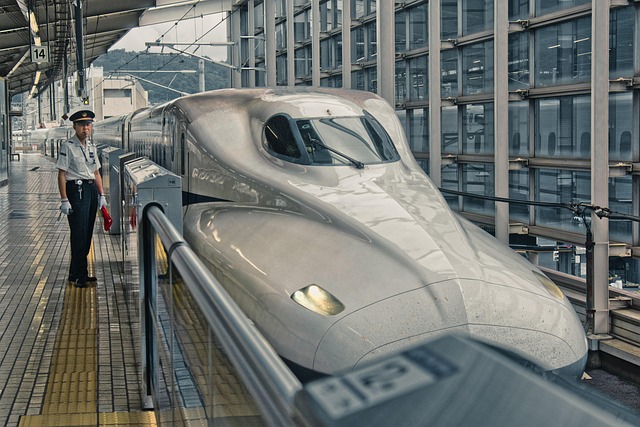
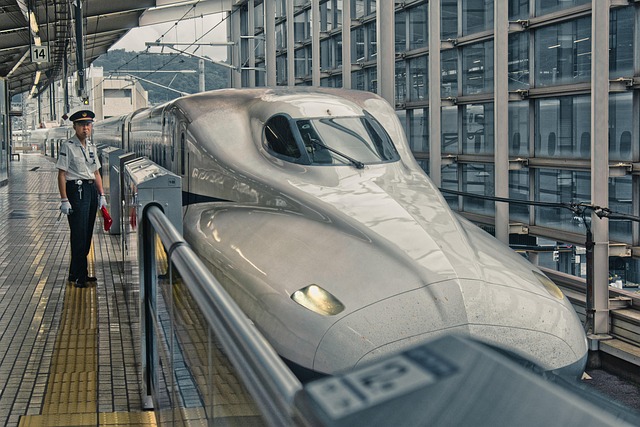
The most common mistake travelers make when planning a dual-region itinerary—linking the volcanic landscapes of Kyushu with the granite peaks of the Japanese Alps—is underestimating “transit fatigue.” Standard guidebooks show you the beautiful Shinkansen lines but fail to mention the rural reality: once you leave the main trunk lines, your travel speed drops from 300km/h to 30km/h.
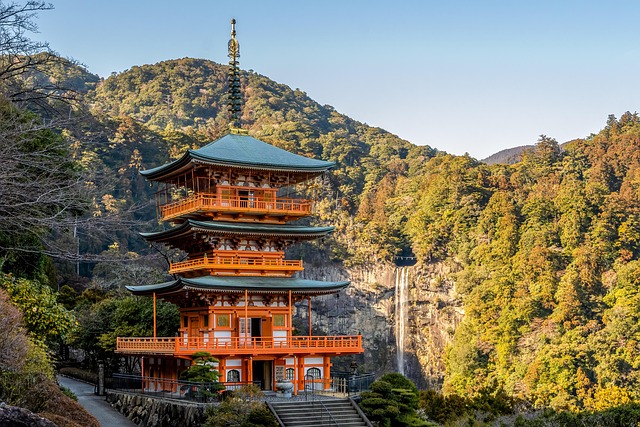
The “real” problem is the psychological toll of the North-South pivot. Trying to experience the spiritual depth of the Takachiho Gorge and the high-altitude serenity of Kamikochi in a single two-week window creates a “logistics trap.” Travelers often find themselves spending 40% of their waking hours in transit hubs, staring at bus timetables instead of soaking in an onsen. The frustration isn’t just about the time lost; it’s about the loss of the “Zen” state that these specific regions are meant to provide.
Field-Tested Strategies for a Seamless Transition
The Kyushu Pivot
In Central Kyushu, the key to success is the “Hub and Spoke” model. Instead of moving hotels every night, base yourself in Kumamoto. It serves as a superior logistical anchor compared to the more crowded Fukuoka for southern excursions. From here, a rental car allows you to reach Takachiho Gorge by 8:00 AM, beating the tour buses that arrive from the coast. This gives you the afternoon to drive through the Aso caldera—one of the most underrated driving routes in the world—before dropping the car in Beppu or Oita.
Mastering the Alpine Transition
When moving toward the Alps, the most efficient route is often the least obvious. By flying from Kyushu to Nagoya, you can catch the Wide View Hida express train. This isn’t just transport; it is one of Japan’s most scenic rail journeys, winding through river valleys into Takayama. To avoid the “castle fatigue” of seeing too many fortifications, prioritize Matsumoto Castle over Kumamoto’s reconstructed walls; Matsumoto is one of the few remaining “original” wooden keeps and offers a much more visceral sense of history.
The “Reverse” Tokyo Strategy
Professional planners often suggest starting in the most remote area and ending in the most modern. By finishing your journey in Tokyo, you allow the chaos of the city to act as a buffer before your international flight. It also means you can do your heavy souvenir shopping at the very end, rather than carrying a growing pile of omiyage through the mountain trails of Kamikochi.
The Insider’s Edge: Why This Contrast Works
From an industry perspective, pairing Kyushu with the Japanese Alps is a masterstroke of itinerary design, provided you respect the geography. You are essentially witnessing the two geological souls of Japan: the fire of the southern volcanoes and the ice of the northern peaks.
The Secret Ingredient: Don’t just visit Beppu for the “Hells” (the touristy hot springs). Instead, seek out the smaller, mist-shrouded town of Yufuin nearby. It offers a sophisticated, boutique atmosphere that mirrors the artisanal vibes of Takayama. By threading these high-quality, atmospheric stops together, you transform a frantic cross-country dash into a curated gallery of Japan’s most profound landscapes. The goal is not to see everything, but to ensure that every moment spent not in transit is spent in total immersion.