AKIO NARIMATSU
Essential Strategies for a Mid-Summer Japan Expedition
- Leverage “Takkyubin” Luggage Forwarding: Avoid the physical exhaustion of navigating crowded stations with heavy bags in 90% humidity; have your luggage sent from Tokyo to your Kyoto hotel for a nominal fee.
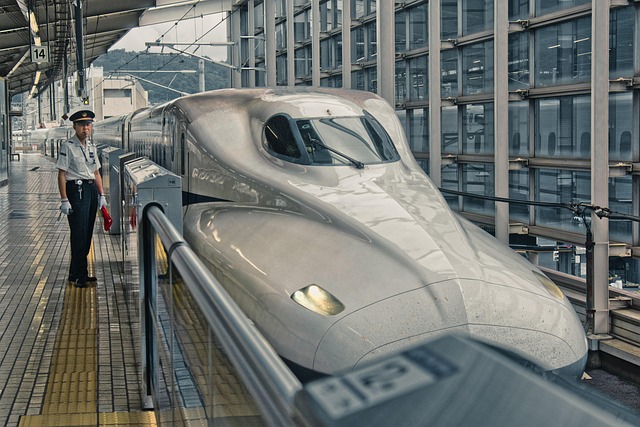
- The 10-4 Rule: Schedule high-energy outdoor sightseeing before 10:00 AM or after 4:00 PM. Use the midday “heat peak” for museum visits, department store browsing, or long shinkansen transits.
- Prioritize “Functional Hydration”: Beyond water, utilize “salty” candies and ion-supply drinks like Pocari Sweat found in every vending machine to combat the rapid electrolyte loss common in the Japanese summer.
- Book Festival Viewings Strategically: If your July dates overlap with the Gion Matsuri or Tenjin Matsuri, reserve restaurant balconies or paid seating months in advance to avoid the dangerous levels of crowd compression at street level.
The July Trap: What Guidebooks Fail to Mention
Most travel guides categorize Japan’s summer as “hot and humid,” but this clinical description fails to capture the visceral reality of the “Sauna Effect.” The genuine frustration for travelers in late July isn’t just the temperature; it is the psychological toll of the humidity. The air becomes a physical weight, turning a simple three-block walk from a station into an endurance test that leaves clothing drenched and energy reserves depleted.
Standard itineraries often suggest visiting four or five temples in a single day. In July, this is a recipe for burnout. The frustration stems from the disconnect between the ambitious “Golden Route” itinerary and the body’s physiological limits. Travelers often find themselves hiding in convenience stores just for the air conditioning, feeling a sense of failure because they can’t keep up with their pre-planned schedule. The secret isn’t just “drinking more water”—it’s a complete reimagining of how you move through space.
Field-Tested Workarounds for the Summer Heat
Experienced travelers have developed a “Basement First” navigation strategy. In major hubs like Tokyo, Shinjuku, and Osaka, it is often possible to traverse entire districts via Chikagai (underground shopping malls). These climate-controlled arteries allow you to move miles without ever stepping into the direct sun. Mastering the subterranean map is the difference between arriving at a dinner reservation composed or completely exhausted.
Regarding the major summer festivals like Kyoto’s Gion Matsuri, the insider hack is to focus on the Yoiyama—the evenings leading up to the main parade. While the giant floats (Yamaboko) are stationary, the atmosphere is more manageable, the lanterns are lit, and the traditional “Kon-chiki-chin” music creates a more intimate experience than the grueling, sun-baked main event. Furthermore, savvy visitors utilize “Cool Share” spots—public and private spaces designated by local municipalities where travelers are encouraged to rest in air conditioning to prevent heatstroke.
The Industry Insider Perspective: A Shift in Mindset
As a professional in the Japan travel sector, I see many travelers treat July like a sprint when it must be a marathon. The humidity of central Japan acts as a natural regulator; you cannot fight it, you can only negotiate with it. My recommendation is to embrace the “Yukata Culture” not just as a costume, but as functional design. The breathable weave of a summer kimono or jinbei is far more effective for airflow than modern synthetic “travel fabrics.”
Furthermore, reconsider the traditional “Golden Route” flow. In July, the coastal breezes of Kanazawa or the higher altitudes of Hakone and Nikko offer vital respites that the concrete basins of Kyoto and Osaka do not. If your heart is set on the cultural heartland during the peak of summer, your most valuable asset isn’t a rail pass—it’s the flexibility to cancel a mid-afternoon temple visit in favor of a traditional Kakigori (shaved ice) break. In Japan, summer isn’t just a season; it’s a distinct atmospheric condition that requires its own unique set of logistical rules.
KEYWORDS: kyoto summer festival, japan humidity, gion matsuri crowd
Photo: Pixabay / Pixabay License