AKIO NARIMATSU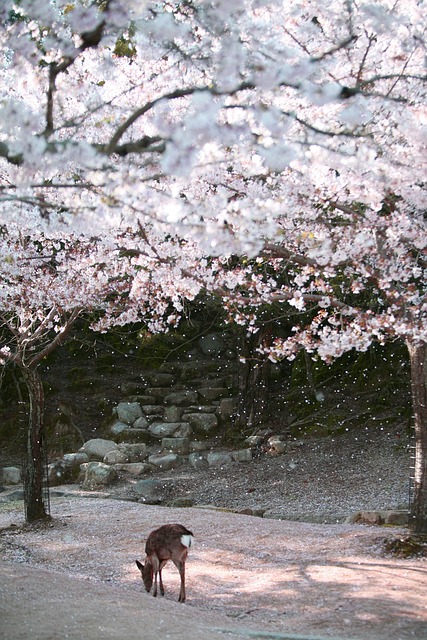
Essential Strategies for the Northern Sakura Season
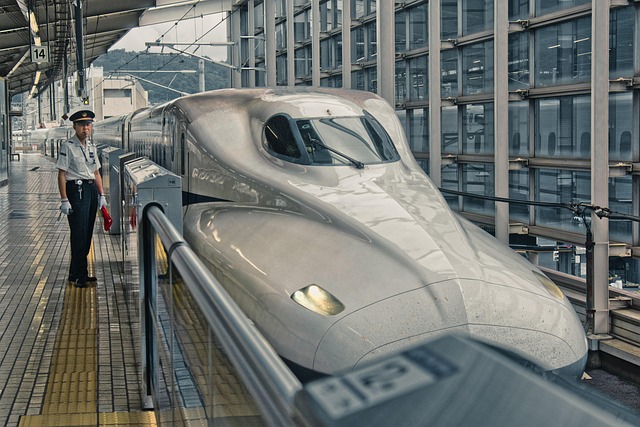
- Leverage the JR East-South Hokkaido Rail Pass: Unlike the standard national pass, this regional option allows for flexible travel between Tokyo, Tohoku, and Sapporo over a six-day window, perfectly aligning with the northward “cherry blossom front.”
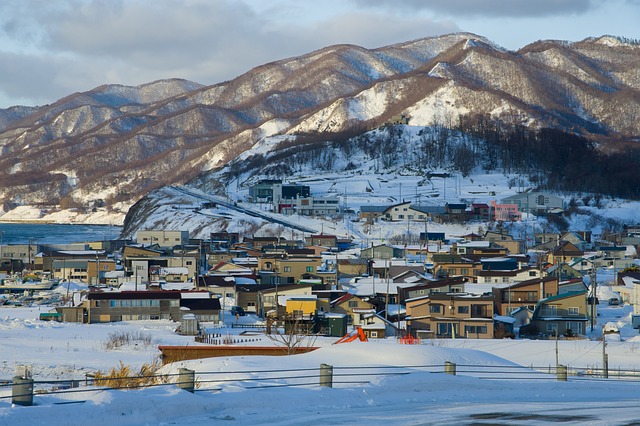
- Pack for Three Seasons: While Tokyo may be balmy in late April, northern Tohoku and Hokkaido frequently experience sudden temperature drops. A high-quality, packable down layer is non-negotiable for evening illumination viewings.
- Download the ‘Tenki’ Weather App: Ignore general international weather apps. Local Japanese meteorological services provide highly localized, tree-by-tree blooming forecasts that are updated multiple times daily.
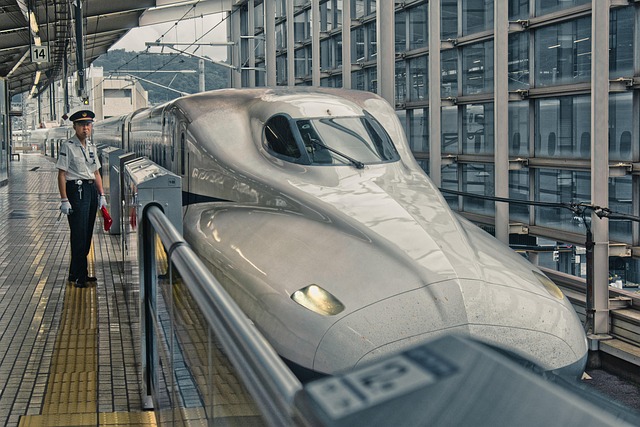
- Establish Regional Hubs: Instead of changing hotels daily, base yourself in Sendai or Morioka. These cities serve as logistical “launchpads” with Shinkansen access, allowing you to chase the peak bloom in any direction based on the morning’s weather report.
The Invisible Obstacle: The “Golden Week” Paradox
Guidebooks often rhapsodize about the beauty of Hirosaki Park or the star-shaped Goryokaku Fort in Hakodate, but they rarely address the logistical nightmare of the “Golden Week” overlap. When the cherry blossoms in the north coincide with Japan’s longest national holiday, the infrastructure of small northern towns reaches a breaking point. The frustration isn’t just the crowds; it is the total evaporation of spontaneity. In Tohoku, restaurants in smaller towns like Kakunodate often require reservations weeks in advance, and local buses can have wait times exceeding two hours. Travelers arriving with a “go with the flow” mentality often find themselves stranded in breathtaking locations with no way to get back to their hotel or find a meal.
Field-Tested Tactics for the Northern Frontier
To navigate the intensity of the peak season, experienced travelers employ a “reverse-flow” strategy. Most domestic tourists flock to the major parks between 10:00 AM and 3:00 PM. By arriving at sites like the Kitakami Tenshochi grove at 6:00 AM, you not only capture the “blue hour” photography but also finish your visit just as the crushing crowds arrive. Strongly consider renting a car for the Aomori and Akita legs. While Japan’s rail system is world-class, the most spectacular hidden groves are often miles from the nearest station, and the freedom to bypass congested shuttle buses is worth the additional cost of a rental.
Another overlooked workaround is the “Department Store Picnic.” When every restaurant has a 90-minute wait, head to the depachika (basement food hall) of a major department store like S-PAL in Sendai. You can procure high-end, seasonal bento boxes and local sake to enjoy in a less-crowded park nearby, turning a logistical failure into a premium cultural experience.
The Insider’s View: Why the North is the Future of Japan Travel
From an industry perspective, the shift toward Tohoku and Hokkaido is more than just a search for late-blooming flowers; it is a necessary pivot away from the overtourism of the “Golden Route” (Tokyo-Kyoto-Osaka). The northern sakura experience offers a depth of “Aesthetic Contrast” that the south lacks. There is something profoundly moving about seeing the Somei Yoshino petals against the backdrop of the still-snowcapped Hakkoda Mountains—a visual metaphor for the transition of seasons that feels far more authentic than the manicured experiences in the capital.
For the discerning traveler, the north requires a higher level of “travel IQ.” You are trading the convenience of English-speaking hubs for a raw, visceral encounter with Japan’s rural heartland. The key to success in 2026 and beyond is not just following a map, but understanding the rhythm of the land. If you respect the local pace and plan for the logistical bottlenecks of the north, you will witness a version of Japan that remains untarnished by the typical tourist trail.
KEYWORDS: tohoku cherry blossom, hirosaki park, hokkaido spring landscape
Photo: Pixabay / Pixabay License