AKIO NARIMATSU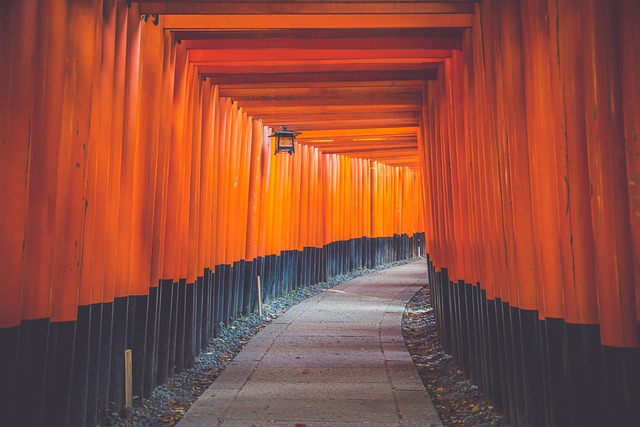
Essential Tips for Navigating Japan with Adolescents
- Digital IC Cards are Mandatory: Skip the physical ticket kiosks. Add a Suica or Pasmo card to your smartphone’s digital wallet before you land to move through turnstiles seamlessly.
- Utilize Luggage Forwarding (Takkyubin): Never drag heavy suitcases onto a crowded Shinkansen. Arrange for your hotel to ship your bags to your next destination for a nominal fee, allowing you to travel “hands-free.”
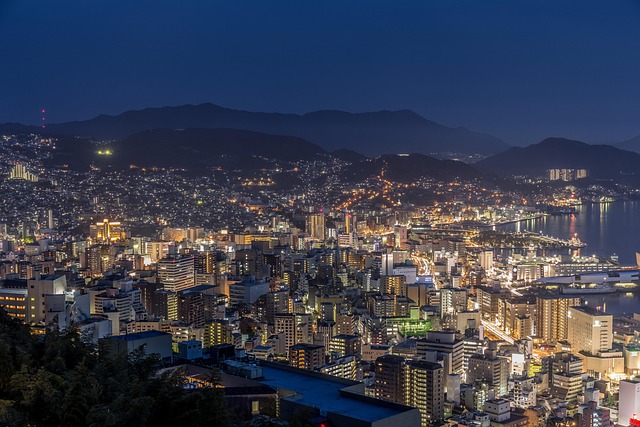
- The “Sunset Window” for Observations: Book tickets for Shibuya Sky or Tokyo Skytree exactly 30 minutes before sunset. This provides the best of both worlds: golden hour photography and the sparkling night skyline.
- Prioritize “Active” History: Swap traditional museum halls for the Hakone Open-Air Museum or the interactive samurai experiences in Kyoto to keep high-energy travelers engaged.
The Invisible Friction: Why “Standard” Itineraries Fail Families
The genuine frustration that luxury guidebooks and glossy brochures rarely acknowledge is the inevitable “Temple Fatigue.” While a 1,000-year-old shrine is a marvel to an adult, for a teenager, the fourth shrine of the day often looks exactly like the first. Most itineraries are built on a “checklist” philosophy that ignores the physical and emotional stamina required to navigate Japan’s dense urban environments.
The real problem isn’t the destinations themselves; it’s the logistical friction of over-scheduling. When you force a rigid schedule in a country where even a simple subway transfer can involve 15 minutes of walking, the “dream vacation” quickly devolves into a series of stressful navigational hurdles and exhausted outbursts.
Field-Tested Workarounds for a Seamless Journey
The “Hub-and-Spoke” Strategy
Rather than changing hotels every two nights, elite travelers utilize Tokyo and Kyoto as base camps. By staying in a central neighborhood like Shinjuku or Shimogyo-ku, you can take day trips to Hakone, Nara, or Osaka without the constant stress of packing and unpacking. This allows teens a sense of “home base” familiarity in a foreign land.
Balancing Culture with Contemporary Cool
The most successful itineraries treat “traditional Japan” and “modern Japan” as a 1:1 ratio. If the morning is spent at the Fushimi Inari Shrine, the afternoon should be dedicated to the vibrant street food of Dotonbori or the neon-soaked arcades of Akihabara. Integrating immersive experiences like TeamLab Planets provides a sensory-heavy contrast to the quiet contemplation of Zen gardens, ensuring the pace remains dynamic.
The “One Big Thing” Rule
To avoid burnout, veteran travelers advocate for the “One Big Thing” daily anchor. Choose one non-negotiable activity—be it the Ghibli Museum, a specific sushi omakase, or Universal Studios Japan—and leave the rest of the day for organic exploration. This “white space” in the schedule is often where the most memorable moments happen, such as discovering a hidden vintage shop in Shimokitazawa or a tiny ramen stall in a Kyoto alleyway.
The Insider’s Perspective: Managing the New Japan
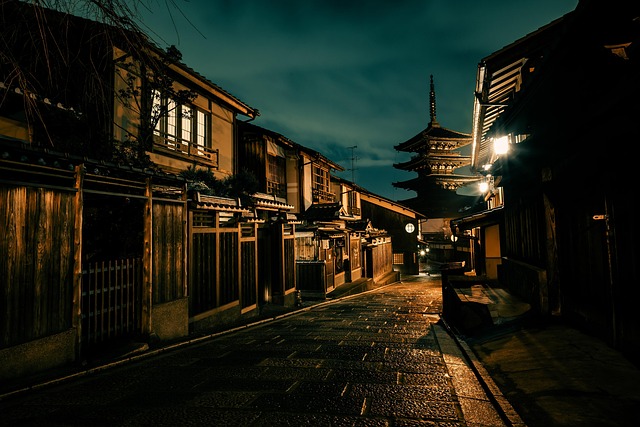
As someone who has navigated the shifting tides of Japanese tourism for over a decade, I can tell you that the “post-pandemic surge” has fundamentally changed how we must plan. Spontaneity is now a luxury. Five years ago, you could walk into most mid-range restaurants; today, the popular spots require reservations weeks in advance.
My final piece of professional advice: Don’t underestimate the power of the convenience store (Konbini). While we often aim for high-end dining, some of the most authentic memories for families come from a late-night run to Lawson or 7-Eleven for egg sandwiches and seasonal snacks. In Japan, the gap between “high culture” and “daily convenience” is where the magic truly lives. Focus less on the “must-see” lists and more on the rhythm of Japanese life, and your family will return home wanting more, rather than needing a vacation from their vacation.
KEYWORDS: japan family travel, tokyo shibuya sky, kyoto fushimi inari
Photo: Pixabay / Pixabay License