AKIO NARIMATSU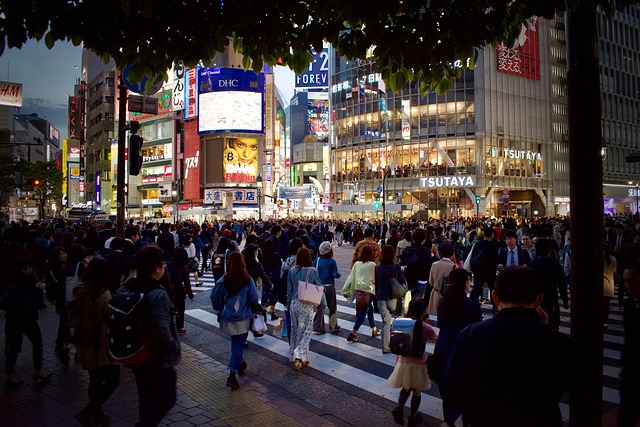
Essential Field Notes for Your Upcoming Tokyo Journey
- The 15-Minute Buffer: Always add 15 minutes to any transit time suggested by navigation apps. Navigating the subterranean labyrinths of Shinjuku or Tokyo Station requires more than just walking speed; it requires orientation time.
- The Digital Wallet Priority: Ensure your Suica or Pasmo card is integrated into your smartphone’s digital wallet before arrival. Physical cards are increasingly scarce, and the seamless “tap-and-go” at vending machines and ticket gates is the single greatest friction-reducer in the city.
- Strategic Hydration: Early June marks the onset of Tsuyu (the rainy season). The humidity is the hidden battery drain for travelers. Carry a high-quality electrolyte powder to add to your Pocari Sweat; water alone won’t suffice during 20,000-step days.
- The Luggage Forwarding Secret: Use Takkyubin (luggage forwarding services) to send your heavy bags from the airport to your hotel, or between cities. Navigating a rush-hour train with a suitcase is a social faux pas and a physical nightmare.
The “Real” Problem: The High-Efficiency Trap
Most guidebooks present Tokyo as a series of highlights to be checked off a list: Shibuya Crossing, the Ghibli Museum, a sushi counter in Ginza. The frustration that veteran travelers rarely voice is the sensory and physical exhaustion that comes from trying to optimize every second. We see it constantly—travelers who have planned their days down to 30-minute increments, only to find themselves burnt out by day four. The sheer density of Tokyo means that even a “simple” walk to a cafe involves processing thousands of stimuli, navigating crowds, and constant decision-making. The real problem isn’t seeing the sights; it’s surviving the transit between them without losing your sense of wonder.
Field-Tested Solutions for the Modern Explorer
To combat the inevitable Tokyo fatigue, experienced travelers are moving away from the “must-see” lists and toward a more rhythmic approach to the city. One of the most effective hacks is the “Vertical Reset.” When the crowds at street level in Harajuku or Shinjuku become overwhelming, look up. Tokyo’s best department stores (like Tokyu Plaza or Isetan) often feature lush, quiet rooftop gardens that are free to enter. These spaces provide an immediate atmospheric shift and a chance to recalibrate in silence.
Another insider workaround involves the dining culture. Instead of queuing for two hours at a “viral” ramen shop, pivot to neighborhood-centric exploration. Areas like Yanaka or Koenji offer the same high-caliber culinary craft without the manufactured scarcity of tourist traps. Furthermore, for those visiting in the early summer humidity, prioritize evening itineraries. Tokyo truly comes alive after 6:00 PM; the temperature drops, the neon provides its own energy, and many shrines, like Kanda Myojin, offer a serene, illuminated experience far removed from the midday rush.
The Insider Perspective: Embracing the Season of Rain
From an industry standpoint, early June is one of Tokyo’s most underrated windows. While many shy away from the predicted rains, this period offers a soft, cinematic quality to the city that you won’t find in the harsh glare of August or the dry cold of January. The hydrangea (ajisai) are in full bloom, turning temple grounds into palettes of deep blue and purple.
The secret to a sophisticated Tokyo trip isn’t about seeing everything; it’s about understanding that Tokyo is not one city, but a collection of villages. If you spend your entire 10 days in the “Big Three” (Shibuya, Shinjuku, Ginza), you are only seeing the commercial veneer. To truly experience Japan, you must build “blank space” into your itinerary—mornings with no destination and afternoons spent in a kissaten (traditional coffee shop) watching the rain. In a city that never stops, your greatest luxury is the permission to slow down.
KEYWORDS: tokyo street rain, shibuya crossing crowd, japanese rooftop garden
Photo: Pixabay / Pixabay License