AKIO NARIMATSU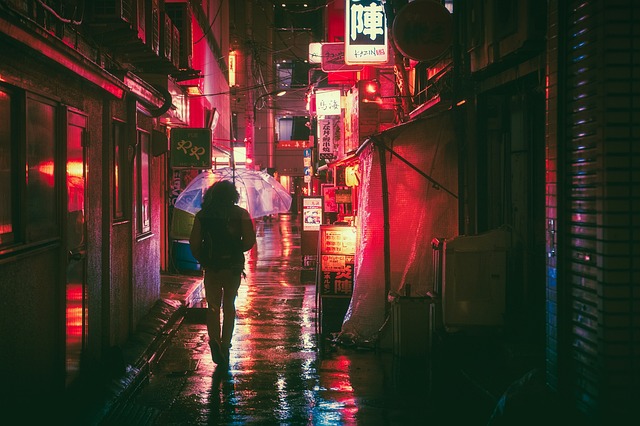
Mastering the Golden Route: A 10-Day Strategy for Osaka and Tokyo
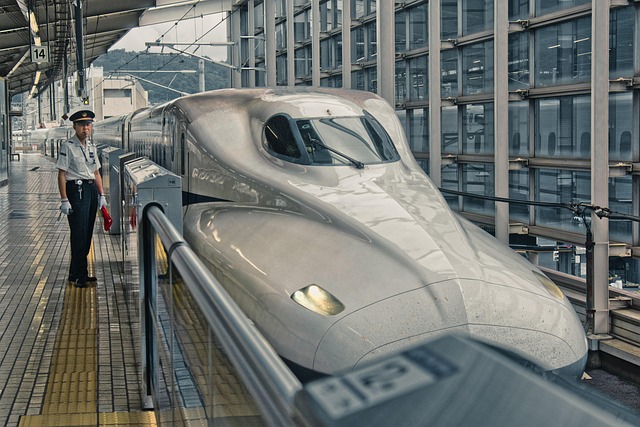
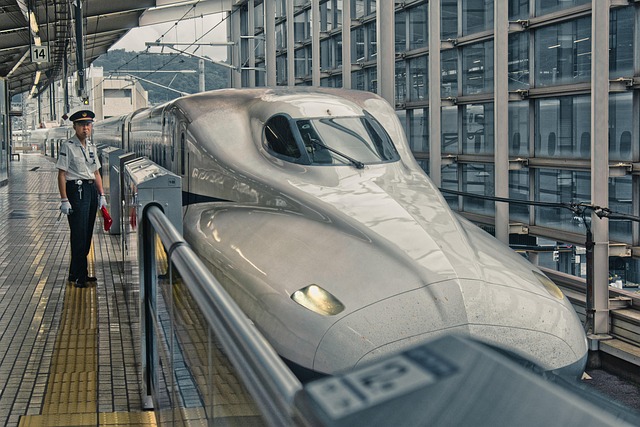
- Utilize Luggage Forwarding (Takkyubin): Never haul oversized suitcases through Shinjuku or Umeda stations. For less than $20, have your bags sent from your Osaka hotel directly to your Tokyo lobby, allowing you to travel hands-free on the Shinkansen.
- The “Mount Fuji Side” Secret: When booking your Shinkansen ticket from Osaka to Tokyo, always request “Seat E” in an ordinary car or “Seat D” in Green Class to ensure a front-row view of Mount Fuji as you speed past Shizuoka.
- Digital Transit Mastery: Add a Suica or Pasmo card to your smartphone’s digital wallet before you land. It eliminates the need to fumble with physical tickets and works at almost every vending machine and convenience store in the country.
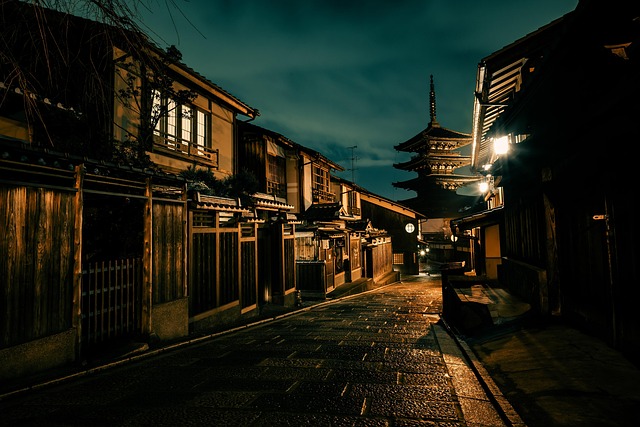
- The 4 PM Rule for Kyoto: If visiting Kyoto from an Osaka base, arrive at the major shrines either before 8 AM or after 4 PM. The “Golden Hour” light is superior for photography, and the heavy tour bus crowds vanish, leaving the grounds in their intended serene state.
The “10-Day Trap”: The Frustration Guidebooks Ignore
The most significant hurdle for the modern traveler isn’t language or navigation—it is itinerary exhaustion. Guidebooks often present Osaka and Tokyo as two halves of a seamless whole, but in reality, they represent a high-octane sensory assault that can lead to “temple burnout” by day four. The genuine frustration lies in the transition: trying to cram the historical weight of Kyoto, the street-food intensity of Osaka, and the futuristic sprawl of Tokyo into 240 hours. Most travelers spend so much time “getting there” that they arrive at the world’s most beautiful landmarks too tired to actually see them.
Field-Tested Solutions for the Modern Explorer
To bypass the common pitfalls of a dual-city itinerary, savvy travelers are moving away from rigid scheduling and toward a “Hub and Spoke” model. Instead of moving hotels every two days, use Osaka as your permanent base for the first half of the trip. Osaka’s Namba or Umeda districts offer superior value and better nightlife than Kyoto, while remaining only 30 minutes away by local express train. This allows you to explore Nara’s deer park and Kyoto’s bamboo groves without the “one-night-stand” hassle of constant check-ins.
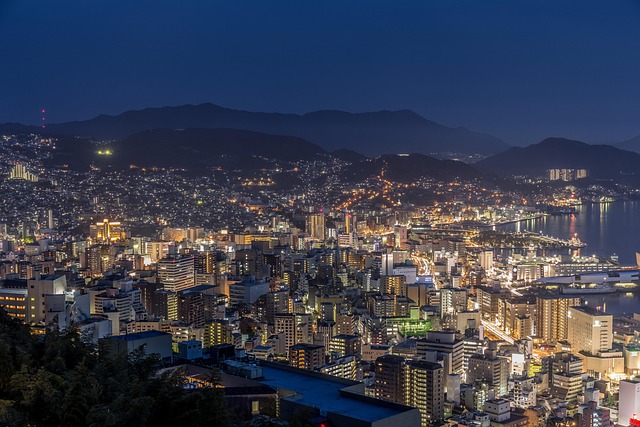
In Tokyo, the secret to avoiding the crushing crowds of Shibuya is to embrace the “Vertical City” strategy. While the sidewalks are packed, the most authentic experiences—from high-end jazz bars to Michelin-starred ramen—are often tucked away on the 4th or 9th floors of non-descript narrow buildings. Always look up; the best version of Tokyo is rarely at street level.
When it comes to dining with a group, the “walk-in” culture is dying in popular districts. To avoid the frustration of 90-minute waits, use Japanese-specific booking platforms or your hotel concierge to secure Izakaya reservations at least 48 hours in advance. If you find yourself without a plan, head to the “Depachika”—the basement food halls of major department stores like Isetan or Daimaru—for a gourmet feast that rivals any sit-down restaurant.
The Insider Perspective: Quality Over Proximity
As an industry professional, I’ve observed that the most successful trips aren’t defined by the number of shrines visited, but by the rhythmic balance of the itinerary. Japan is a country of intense textures. If you spend your morning in the neon chaos of Akihabara, your afternoon must be spent in the silence of a Japanese garden like Rikugien.
The “Golden Route” between Osaka and Tokyo is iconic for a reason, but the magic happens in the “in-between” moments. Don’t just view the Shinkansen as a transport vessel; treat it as a curated transition. Buy a high-quality Ekiben (station bento), watch the rural rice fields blur into mountains, and give your senses a chance to reset. In Japan, the space between the destinations is just as vital as the destinations themselves.
KEYWORDS: shinkansen, osaka street food, tokyo skyline
Photo: Pixabay / Pixabay License