AKIO NARIMATSU
The 21-Day Japan Masterclass: A Strategic Blueprint for First-Timers
- Master the “Hands-Free” Rule: Use Takkyubin (luggage forwarding) services between major cities like Tokyo and Kyoto. For approximately $15–$20 per bag, you can skip the nightmare of maneuvering large suitcases through crowded train stations.
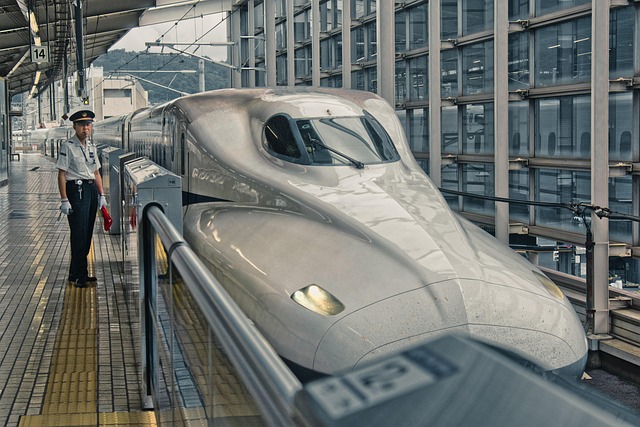
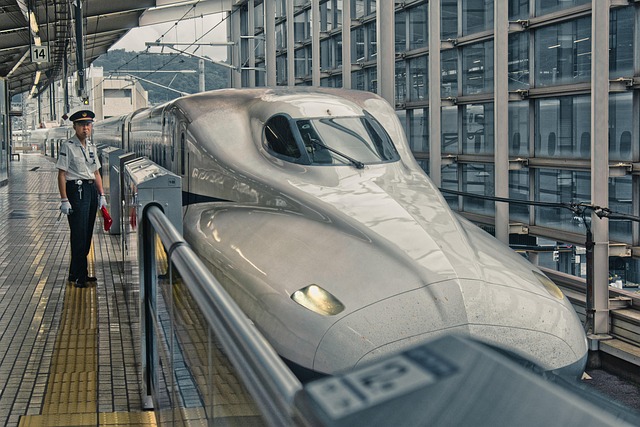
- Skip the JR Pass: Since the 2023 price hike, the nationwide JR Pass rarely pays off for a standard “Golden Route” itinerary. Use a prepaid IC card (or the digital Suica in your Apple/Google Wallet) and buy individual Shinkansen tickets to save hundreds of dollars.
- The Himeji Pivot: When traveling from Kyoto or Osaka to Hiroshima, stop at Himeji Castle in the morning. Use the station lockers for your bags, spend three hours at the castle, and continue to Hiroshima by evening to maximize your transit day.
- Book the “Big Three” Early: Reservations for the Ghibli Museum, teamLab Borderless, and high-end Kaiseki dining open exactly one to three months in advance and vanish within minutes. Mark your calendar for 10:00 AM JST on the release dates.
The “Transit Trap” Guidebooks Never Mention
The most significant frustration travelers face isn’t navigating the language barrier or finding a specific temple; it is the physical and mental exhaustion of “Moving Days.” Guidebooks often list a journey as “2 hours by Shinkansen,” leading travelers to believe they have the rest of the day free. In reality, a hotel-to-hotel transfer involves packing, checking out, navigating to the station, finding the correct platform, the train ride itself, navigating the arrival station, and finding the new hotel.
By the time you drop your bags, you’ve spent five hours in transit-mode, not two. This “hidden” drain leads to mid-trip burnout, particularly around day 12. Many travelers over-schedule their Kyoto and Osaka legs, forgetting that these cities require significant walking, often in lingering late-September humidity, which can turn a dream vacation into a test of endurance.
Field-Tested Solutions for a Seamless Itinerary
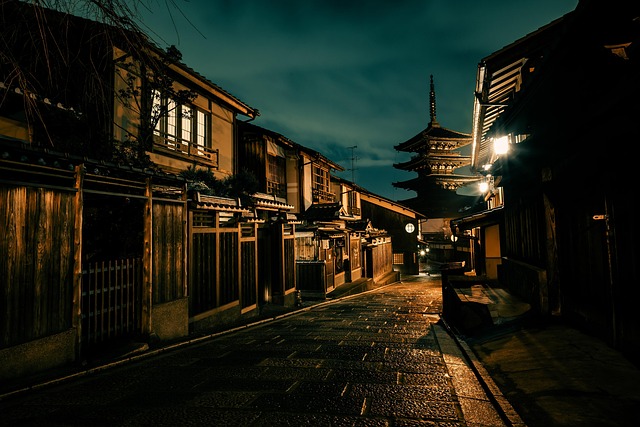
To combat the transit trap, seasoned travelers utilize the “Hub and Spoke” method. Rather than moving hotels every two days, establish a base. While many debate staying in either Kyoto or Osaka, the elite move is to pick one for a week. The cities are only 30 minutes apart by local train; moving your entire luggage set between them is an unnecessary logistical hurdle.
For those visiting Hakone, the “Hakone Free Pass” is essential, but the real hack is the direction of travel. Most tourists follow the “Loop” clockwise. By starting your journey in the early morning and heading counter-clockwise, or staying overnight in a Ryokan mid-loop, you experience the Owakudani volcanic valley and the Lake Ashi cruise with half the crowds. Furthermore, if you are heading toward Kyoto afterward, don’t backtrack to Tokyo; take the bus to Odawara Station and catch the Shinkansen directly from there.
Regarding Nara and Uji, these should be treated as a single, fluid day trip from Kyoto. Start early in Nara to see the deer and Todai-ji, then take the JR Nara line to Uji for a matcha lunch and the Phoenix Hall at Byodo-in. It is a culturally dense day that frees up your schedule for more spontaneous exploration later.
The Insider Perspective: The Value of the “Second Tokyo”
As an industry professional, I always recommend the “Split Tokyo” sandwich: starting and ending your trip in the capital. However, the mistake people make is treating both stays the same. Use your first five days in Tokyo to tackle the high-energy districts like Shibuya, Shinjuku, and Akihabara when your adrenaline is high.
Save your final three to four days for a different side of the city—areas like Yanaka Ginza (the “Old Town”) or the sophisticated boutiques of Daikanyama. This second leg is for gift shopping and reflecting on your journey. By returning to Tokyo at the end, you also eliminate the stress of a long-distance dash to the airport on your final day. This is when you should book your most expensive meal; you’ll have a better understanding of Japanese etiquette and a more refined palate than when you first landed.
KEYWORDS: shinkansen train, kyoto temple, japanese luggage forwarding
Photo: Pixabay / Pixabay License