AKIO NARIMATSU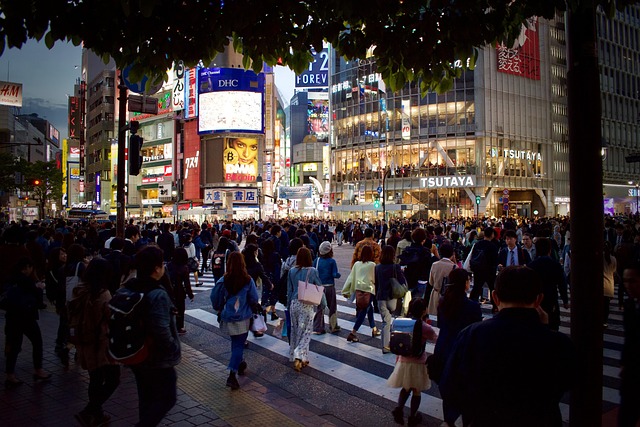
- Digital Transit Cards: Skip the ticket machines and physical card shortages by adding a Suica or Pasmo card directly to your Apple Wallet before you land. It works seamlessly for trains, buses, and even vending machines.
- The 10:00 AM Rule: Most major department stores and boutiques in districts like Ginza and Shibuya do not open until 10:00 or 11:00 AM. Plan your early mornings for shrines, parks, or Tsukiji Outer Market to avoid standing in front of closed doors.
- Luggage Forwarding (Takkyubin): Use the hands-free travel system to send your heavy suitcases from the airport to your hotel, or between hotels. For a small fee, you can navigate the subway system without the stress of stairs and crowds.
- Advance Reservations: High-demand attractions like TeamLab Borderless and the Ghibli Museum sell out weeks in advance. Secure these tickets the moment your travel dates are confirmed to avoid disappointment.
The Invisible Wall: Why Seven Days in Tokyo Can Be Exhausting
Most guidebooks present Tokyo as a glittering checklist of neon lights, sushi counters, and ancient temples. They promise a seamless blend of “old meets new.” However, they rarely mention the sensory tax that Tokyo extracts from the uninitiated. By day four, many travelers hit an invisible wall. The constant navigation of the world’s busiest transit hubs, the endless “decision fatigue” of choosing from 150,000 restaurants, and the sheer density of the crowds in Shibuya or Shinjuku can turn a dream vacation into a marathon of endurance.
The “real” problem isn’t a lack of things to do; it is the absence of a recovery strategy. When every day is scheduled at 100% intensity, the subtle charms of Japanese culture—the quiet bow of a shopkeeper or the intricate moss in a garden—become white noise.
The Neighborhood Sandwich: A Field-Tested Strategy
To master a week-long stay, seasoned travelers use a “neighborhood sandwich” approach. This involves layering high-stimulation districts between pockets of extreme calm. If you spend your morning navigating the electric chaos of Akihabara, your afternoon should not be spent in the crowds of Harajuku. Instead, retreat to the wide-open spaces of Ueno Park or the tranquil ponds of Shinjuku Gyoen.
Another insider hack is the Kamakura Pivot. Rather than spending seven straight days in the urban sprawl, taking a mid-week day trip to the coastal town of Kamakura acts as a psychological reset. Just an hour south of the city, you can trade skyscrapers for the “Great Buddha” and forest trails. It provides the breathing room necessary to appreciate Tokyo’s intensity when you return for your final nights.
For dining, skip the viral “top-rated” queues that often result in two-hour waits. Look to the Depachika (department store basement food halls) in Isetan or Mitsukoshi. You can find Michelin-quality bento boxes and seasonal delicacies without the line, allowing you to enjoy a world-class meal in the quiet of a park or your hotel room.
The Insider’s Lens: Finding the “Village” in the Metropolis
As someone who has navigated the evolution of Japan’s tourism landscape, I view Tokyo not as a single monolith, but as a collection of distinct villages. The secret to a truly “professional” itinerary is not seeing everything, but feeling the vibe of specific micro-neighborhoods.
I always advise travelers to spend at least one evening in Golden Gai or Omoide Yokocho, but with a specific mindset: don’t go for a “famous” bar. Go for the one with an open stool and no English sign. The magic of Tokyo happens in these three-tsubo (tiny) spaces where the scale of the city shrinks down to a conversation between you and the master. If you leave Japan feeling like you’ve conquered a list, you’ve missed the point. If you leave feeling like you’ve found a “local spot” in the world’s largest city, you’ve truly arrived.
KEYWORDS: tokyo city skyline, shibuya crossing, kamakura buddha
Photo: Pixabay / Pixabay License