AKIO NARIMATSU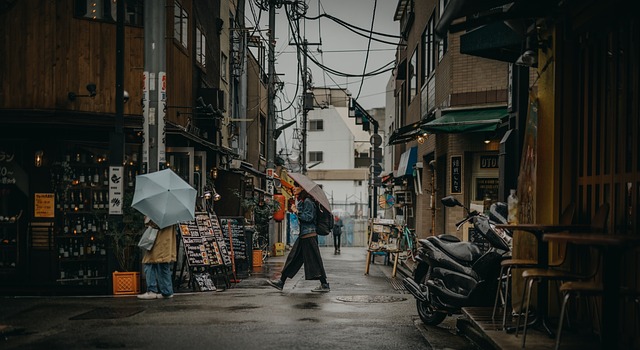
Essential Strategies for Your Next Japan Journey
- The “Station Exit Tax”: Always add 15 minutes to any transit estimate provided by navigation apps. Navigating the subterranean labyrinths of Shinjuku or Tokyo Station to find the correct exit is a time-consuming feat that first-timers often underestimate.
- Digital IC Dominance: Prioritize adding a digital Suica or Pasmo card to your smartphone wallet before arrival. Physical cards remain in short supply, and the seamless “tap-and-go” entry for trains and convenience stores is the single greatest friction-reducer in Japanese travel.
- The 11:00 AM Rule: To avoid hour-long queues at popular lunch spots, arrive at 10:45 AM. In Japan’s major cities, the transition from “no line” to “forty people deep” happens in a matter of minutes once the clock strikes noon.
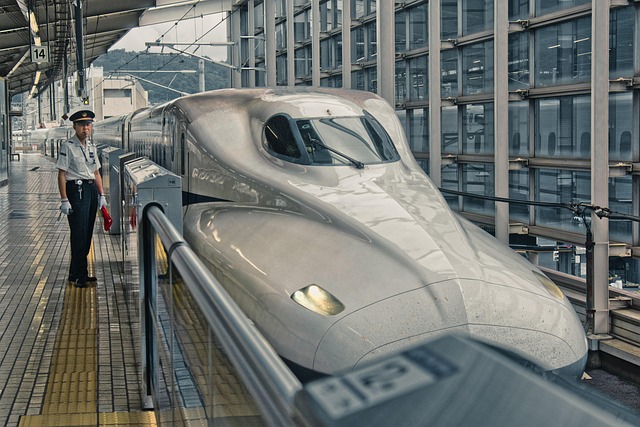
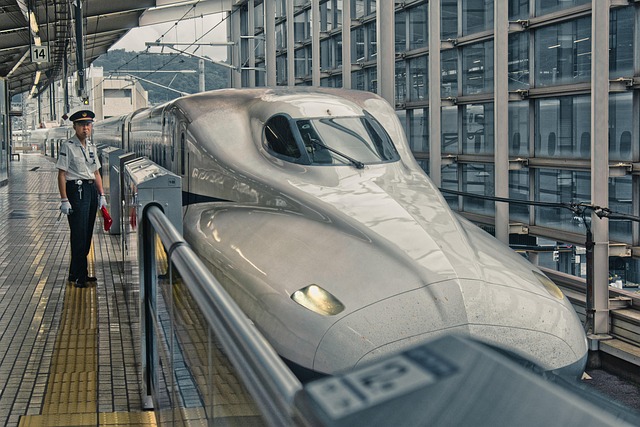
- Hands-Free Travel: Utilize Takkyubin (luggage forwarding services) to send your large suitcases between cities. Navigating a crowded Shinkansen or a rush-hour subway with oversized bags is not just stressful; it is a breach of local etiquette that slows your pace significantly.
The Invisible Exhaustion: The “Optimization Trap”
The most significant hurdle travelers face in Japan isn’t the language barrier or the currency—it is the Optimization Trap. Traditional guidebooks present Tokyo and Kyoto as a series of highlights to be “collected.” This leads to the “check-list fatigue,” where travelers spend more time staring at their navigation apps and racing across the city than actually experiencing the atmosphere. The frustration stems from the realization that Japan is a high-density environment where “doing it all” often means seeing very little. When your itinerary is packed with back-to-back reservations from Asakusa to Shibuya, you lose the ability to lean into the serendipity—the hidden jazz bar, the quiet neighborhood shrine, or the seasonal street festival—that makes Japan truly magical.
Field-Tested Hacks for a Fluid Itinerary
To combat this, seasoned travelers and industry insiders utilize the “Anchor and Radius” method. Instead of scattering your daily activities across the map, choose one “Anchor” neighborhood per day (e.g., Ueno/Asakusa or Shinjuku/Harajuku). Restrict your exploration to a three-kilometer radius of that anchor. This drastically reduces transit time and allows you to discover the “interstitial” Japan—the charming backstreets between the landmarks.
Another insider workaround for the perennial struggle of dinner reservations is the Depachika Strategy. If you find yourself exhausted and unable to secure a table at a top-tier restaurant, head to the basement level of major department stores like Isetan or Mitsukoshi. These food halls offer gourmet, chef-prepared meals of the same quality as high-end restaurants, often at a fraction of the price and with zero wait time. It is the ultimate solution for “high-end” fatigue.
The Insider’s Perspective: Moving Beyond the “Museum Mentality”
From my years working within the Japanese tourism sector, I have observed that the most successful trips are those that treat Japan as a living organism rather than a museum. Many travelers feel a self-imposed pressure to visit every “Top 10” temple, yet by the third day, “temple burnout” sets in. Quality of engagement will always trump quantity of sightings.
My advice to the discerning traveler is to build “buffer zones” into your schedule. Japan’s infrastructure is incredibly efficient, but its culture is deeply rooted in Ma—the beauty of the empty space between things. If you don’t leave room for that space in your itinerary, you aren’t just missing the quiet moments; you’re missing the soul of the country. Stop trying to outrun the city, and start moving at its rhythm. The most profound memories of Tokyo rarely happen at the top of a tower; they happen in the three-stool ramen shop you found because you weren’t in a rush to get somewhere else.
KEYWORDS: tokyo city street, japanese food hall, shinkansen platform
Photo: Pixabay / Pixabay License