AKIO NARIMATSU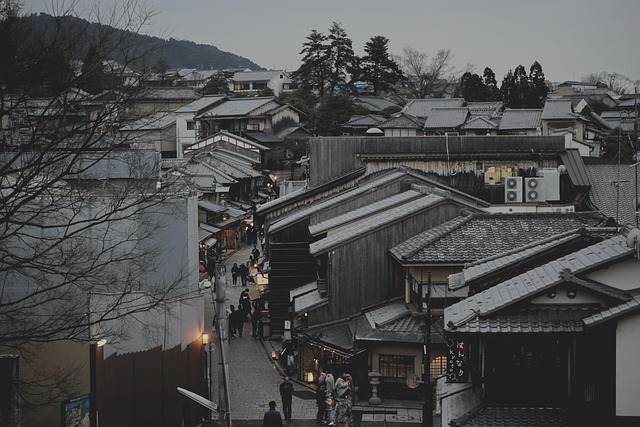
Essential Strategies for Your Next Japanese Expedition
- Master the Art of Hands-Free Travel: Utilize “Takkyubin” (luggage forwarding services) to send large suitcases between cities. For a group, moving through train stations with heavy bags is the single most common cause of logistical breakdowns and physical exhaustion.
- The “Rule of Two” for Dining: In Japan, finding a walk-in table for nine people is nearly impossible. Split your party into two smaller groups or exclusively book “Koshitsu” (private dining rooms) at least two weeks in advance.
- Prioritize the “Hub and Spoke” Model: Minimize hotel changes. Use Osaka as a base for exploring Kyoto, Nara, and Hiroshima. Reducing the number of check-ins and check-outs is the secret to maintaining group morale.
- Digital Readiness: Ensure every adult has a mobile Suica or Pasmo card loaded in their digital wallet before arrival. The time wasted at ticket machines for a large group can add hours of unnecessary standing over the course of a trip.
The Invisible Friction: What Guidebooks Won’t Tell You
Most travel guides treat Japan as a series of destinations to be checked off a list. They fail to mention the “invisible friction” of navigating a society built on precision and compact spaces with a large, multi-generational group. When you are a party of nine, ranging from children to seniors, you are no longer a group of travelers—you are a logistics operation.
The genuine frustration isn’t found in the language barrier or the currency; it’s in the “spatial tax.” Japan’s infrastructure is designed for efficiency and small footprints. A group of nine physically occupies more space than many small izakayas or boutique shops can accommodate. This leads to a constant, low-level anxiety: the feeling of being “in the way” or the exhaustion of trying to keep everyone together in the sea of humanity that is Shinjuku Station. Guidebooks suggest you “see it all,” but they don’t explain that moving nine people at the pace of the slowest member turns a 15-minute walk into a 45-minute ordeal.
Field-Tested Workarounds for Large Groups
To navigate Japan successfully with a large cohort, you must adopt professional-grade tactical maneuvers. One of the most effective solutions is the “Scout and Pivot” technique. Instead of the entire group wandering aimlessly looking for a lunch spot, send two “scouts” ahead while the rest of the group waits in a comfortable, designated seating area (like a department store rooftop garden). Once a location is secured, the scouts signal the group.
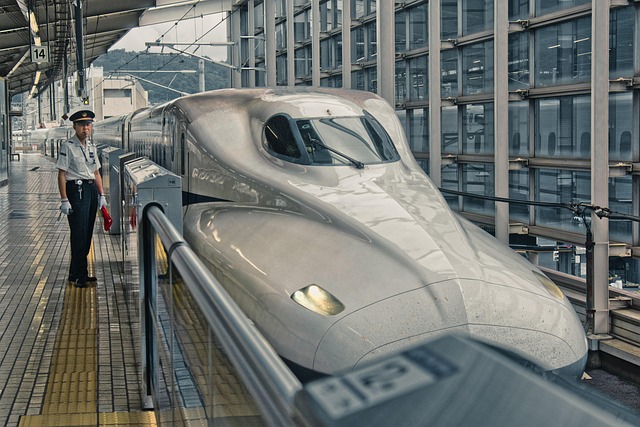
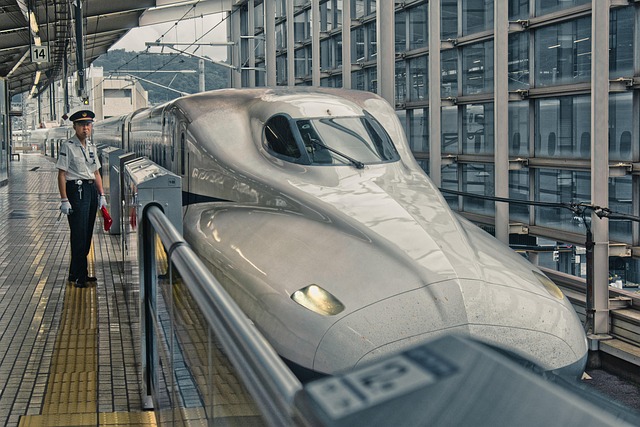
For transportation, stop trying to board the same subway car. In peak hours, it is safer and more efficient to agree on a destination station and allow the group to distribute themselves across two or three different cars. This prevents the “boarding panic” where half the group makes it onto a train and the other half is left on the platform.
When it comes to itinerary planning, the “One Anchor Rule” is vital. Schedule exactly one major “must-see” activity per day (such as the Fushimi Inari Shrine or the Hiroshima Peace Memorial). Leave the rest of the day as “active recovery” time. This allows the younger members to explore at their pace while giving seniors the opportunity to rest without feeling like they are holding the group back.
The Insider’s Perspective: Depth Over Distance
From my years in the industry, I have observed that the most successful large-group trips to Japan are those that embrace the concept of Ma—the Japanese word for negative space or a gap. Do not overstuff your itinerary with five cities in ten days. A 17-day journey that focuses deeply on the Tokyo-Kanazawa-Kyoto-Osaka corridor allows for a narrative arc that superficial “whirlwind” tours lack.
The inclusion of a city like Kanazawa is a masterstroke for multi-generational groups. It offers the historical weight of Kyoto but with wider streets and a more manageable pace. Similarly, making the effort to visit Hiroshima and Miyajima provides a profound emotional core to the trip that resonates across all age groups. Remember: in Japan, you are not just moving through a landscape; you are participating in a highly synchronized culture. By slowing down, utilizing professional logistics like luggage forwarding, and respecting the spatial constraints of the country, you transform a potentially stressful family trip into a seamless cultural immersion.
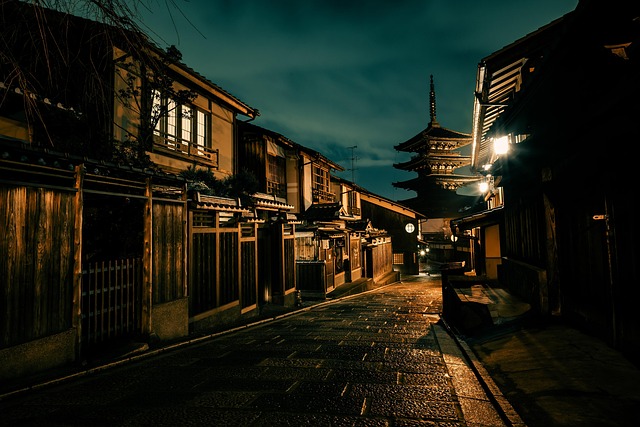
KEYWORDS: japan family travel, luggage forwarding, kyoto street
Photo: Pixabay / Pixabay License