AKIO NARIMATSU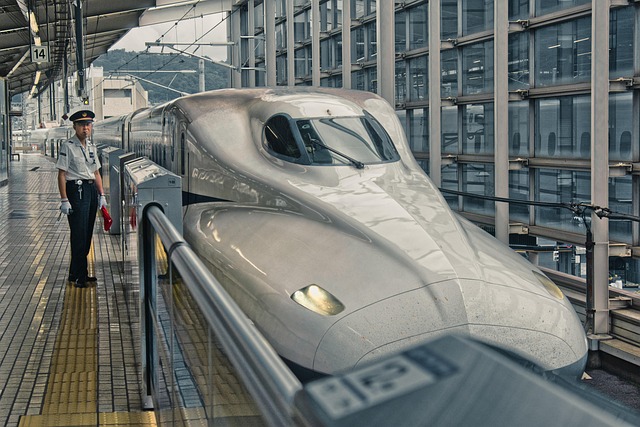
Mastering the Japanese Itinerary: From Checklist Fatigue to Authentic Discovery
- Embrace the “Takkyubin” Lifestyle: Never haul heavy suitcases through crowded train stations. Use hands-free travel services to ship your luggage between hotels for a modest fee, ensuring you can explore freely on transit days.
- The “Rule of Three” for Daily Planning: Limit yourself to one “must-see” landmark, one specific neighborhood to wander, and one planned meal. Leave the rest of the day to serendipity to avoid the dreaded burnout.
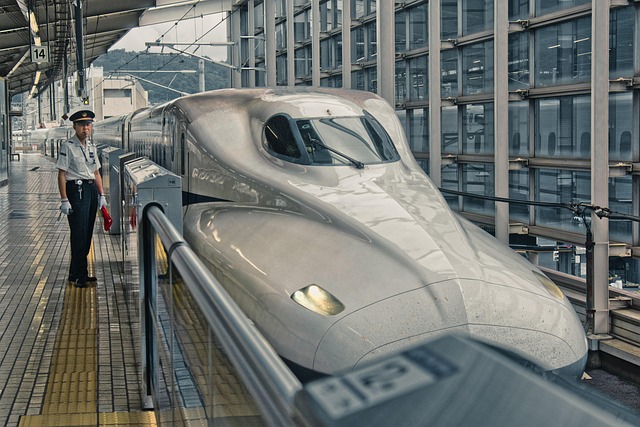
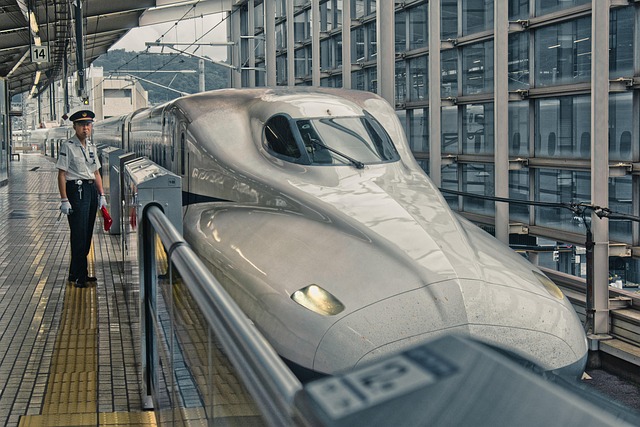
- Book the “E” Seat: When traveling from Tokyo to Kyoto via Shinkansen, always request a seat on the right side (Seat E in standard or green cars) for the iconic, unobstructed view of Mount Fuji.
- Master the Convenience Store Strategy: Beyond snacks, Japanese “konbini” like 7-Eleven and Lawson are essential hubs for international ATM withdrawals, high-quality ready-to-eat meals, and even emergency clothing or tech supplies.
The Golden Route Paradox: Why Your Guidebook is Exhausting You
The most significant hurdle facing modern travelers to Japan isn’t the language barrier or the currency exchange—it is the “Golden Route Paradox.” Traditional guidebooks present Tokyo, Kyoto, and Osaka as a linear checklist of monuments, leading many to plan itineraries that are mathematically possible but physically and mentally punishing. The frustration begins on day four: the temples start to look the same, the neon lights of Shinjuku lose their luster, and the pressure to reach the next “top ten” destination turns a dream vacation into a logistical marathon.
Guidebooks often fail to mention the sheer cognitive load of navigating Japan’s hyper-efficient but complex transit systems. They don’t tell you that spending four hours a day on trains, even the world-famous Shinkansen, creates a “surface-level” experience where you see a lot of Japan but feel very little of it. The real struggle isn’t finding things to do; it’s finding the courage to do less.
Field-Tested Strategies for a Seamless Journey
Experienced travelers who have navigated the nuances of the archipelago have developed workarounds that bypass the typical tourist traps. One of the most effective hacks is the “Hub and Spoke” model. Instead of changing hotels every two nights—which consumes precious hours in check-ins and check-outs—choose a central base. Staying in Kyoto for six nights allows for effortless day trips to Nara, Osaka, and even Hiroshima, providing a sense of “home” that mitigates travel fatigue.
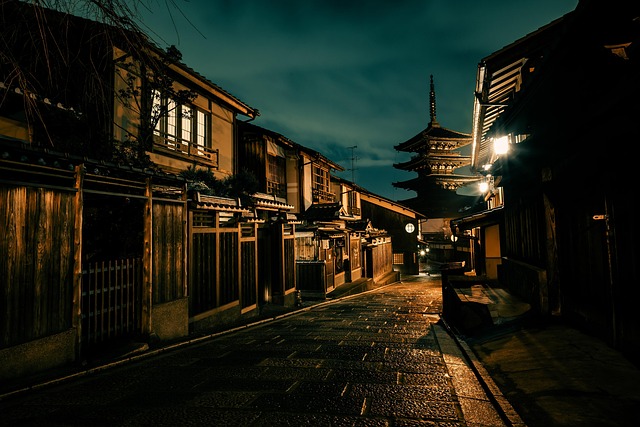
Another insider secret involves flipping the traditional schedule. While crowds swarm Kinkaku-ji and Senso-ji at midday, the most atmospheric experiences occur at the fringes. Visit the smaller, residential shrines at dawn, or explore the “yokocho” (narrow alleys) of business districts like Shinbashi or Yurakucho after 9:00 PM. This is where the pulse of Japan resides—not in the ticketed attractions, but in the quiet steam of a late-night ramen shop or the hushed reverence of a neighborhood park at dusk.
The Insider’s Verdict: Finding the Heart of Japan
In my years of consulting for luxury inbound tourism, I have found that the most memorable trips are those that prioritize “interstitial time.” Japan is a country of exquisite details that require stillness to appreciate. The sound of a bamboo water spout, the meticulous wrapping of a department store gift, and the rhythmic calls of a street vendor are the elements that stay with you long after you’ve forgotten the height of the Tokyo Skytree.
True luxury in Japan isn’t found in a crowded five-star lobby; it is found in the “ma”—the space between. It is the afternoon spent in a neighborhood “kissaten” (traditional coffee shop) watching the world go by, or the decision to skip a major temple in favor of a long walk through a residential suburb. To truly see Japan, you must stop trying to conquer it. Shift your focus from “where to go” to “how to be,” and the country will reveal its secrets to you in ways no guidebook ever could.
KEYWORDS: kyoto temple, shinkansen, japan travel itinerary
Photo: Pixabay / Pixabay License