AKIO NARIMATSU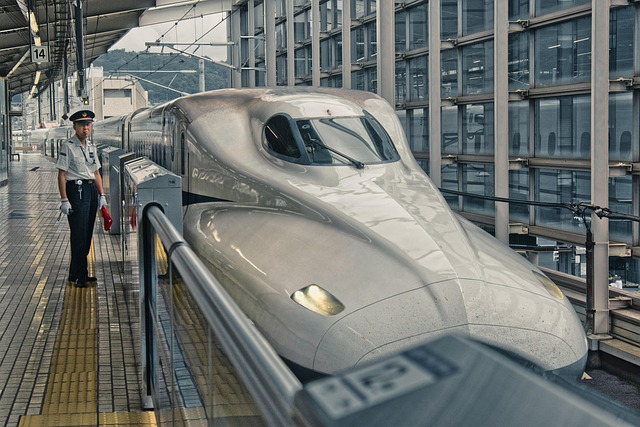
Strategic Travel: Navigating the Nuances of the Japanese Golden Route
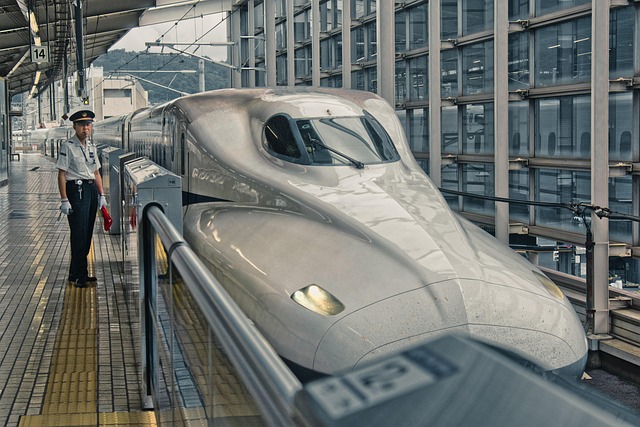
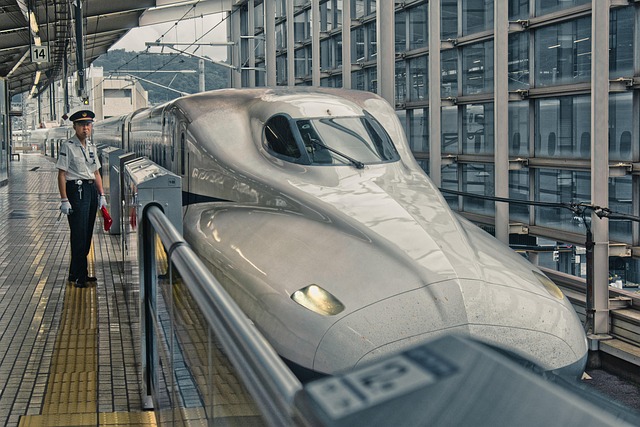
- Pre-book Shinkansen Seats via SmartEX: During peak windows—particularly the New Year period—certain Nozomi trains switch to an “All-Reserved” seating model. Book exactly 30 days out to secure your spot.
- Leverage Hands-Free Travel: Use the “Takkyubin” luggage forwarding service between major cities. Shipping a suitcase from Tokyo to Kyoto costs roughly 2,500 yen and saves you the physical and mental toll of navigating station stairs with heavy gear.
- The 48-Hour Buffer: When shipping luggage during the winter holidays, always allow for a two-day delivery window rather than the standard overnight service to account for seasonal logistics delays.
- Prioritize Transit Hub Hotels: For itineraries involving multiple Shinkansen legs, choose hotels within a 10-minute walk of Tokyo, Shinagawa, or Shin-Osaka stations to eliminate early-morning taxi stress.
The Myth of the Seamless Transfer
Standard guidebooks often paint a picture of Japan as a land of effortless punctuality and frictionless transit. While the trains do run on time, the “real” problem facing modern travelers is the sheer physical complexity of the infrastructure during peak domestic travel seasons. The frustration isn’t about a train being late; it’s about the overwhelming sensory load of navigating Shinjuku or Umeda stations with a 20kg suitcase while thousands of locals are on their annual pilgrimage home. Guidebooks rarely mention that during the Shogatsu (New Year) period, the “spontaneous” travel that many Westerners enjoy becomes nearly impossible without a rigid reservation strategy.
Field-Tested Solutions for High-Stakes Logistics
Success on a multi-city Japan itinerary depends on mastering the logistics of the “Golden Route” (Tokyo, Kyoto, Osaka, and Hiroshima). If you are traveling between late December and early January, the standard advice to “just buy a ticket at the machine” is a recipe for being stranded.
One of the most effective workarounds is the “Last Row” strategy. When booking your Shinkansen seats, specifically request the seats at the very back of the car. This provides a dedicated space behind your seat for oversized luggage—a necessity now that Japan Rail has implemented strict rules for large bags. Furthermore, for those visiting Kawaguchiko or the Five Lakes area, avoid the temptation to rely solely on local buses, which can see two-hour wait times during peak holidays. Instead, pre-book a highway bus from Shinjuku or prioritize the Fuji Excursion limited express train for a guaranteed seat.
The Insider’s Perspective: Balancing Ambition with Presence
As an industry veteran, I see many travelers falling into the “Completionist Trap.” They attempt to see Tokyo, Mt. Fuji, Kyoto, Osaka, and Hiroshima all within a 10-day window. While Japan’s rail network makes this physically possible, it often leaves the traveler exhausted and “temple-blind.”
The secret to a sophisticated Japanese itinerary is understanding the ebb and flow of domestic crowds. Traveling on January 1st is actually one of the quietest times for the rail network, as most families have already reached their destinations. Conversely, January 2nd and 3rd are the most chaotic days as the “U-turn” rush begins. By “zigging” when the domestic market “zags,” you can enjoy the serenity of a quiet Hiroshima or a peaceful Kyoto temple while others are trapped in station concourses. True luxury in Japan isn’t just about the hotels you stay in; it’s about the space and time you carve out for yourself by outsmarting the calendar.
KEYWORDS: shinkansen train, luggage forwarding, japan winter travel
Photo: Pixabay / Pixabay License