AKIO NARIMATSU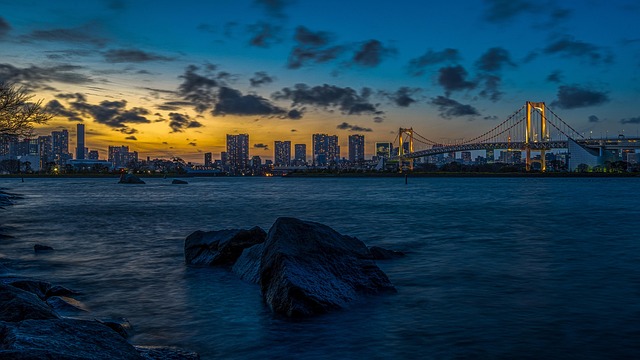
Essential Tips for Navigating Japan’s High Summer
- Leverage Luggage Forwarding (Takkyubin): Do not drag suitcases through crowded train stations in 35-degree heat. Use the seamless delivery services available at airport counters and hotel receptions to send your bags ahead to your next destination.
- The 7:00 AM Rule: To beat both the oppressive humidity and the surge of tour groups, arrive at major outdoor sites like Kyoto’s Fushimi Inari or Arashiyama Bamboo Grove no later than 7:00 AM.
- Hydration Strategy: Look for vending machines every 100 meters. Opt for ion-supply drinks like Pocari Sweat or salt-flavored candies to replenish electrolytes lost to the relentless summer sun.
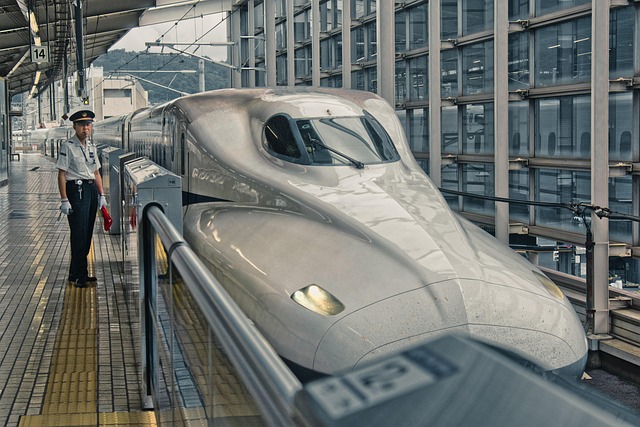
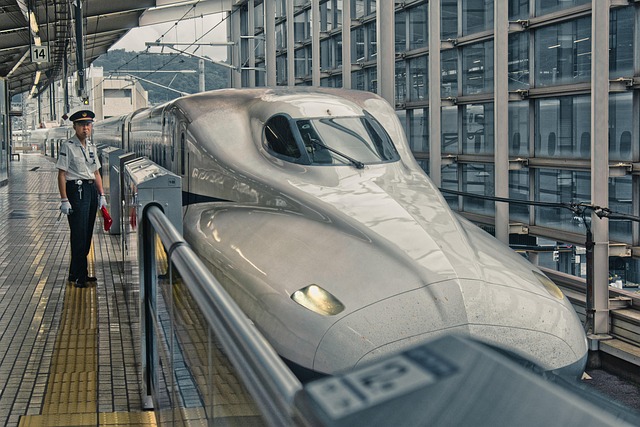
- Reserve Shinkansen Seats Early: Even if you have a rail pass, use the official SmartEX app to book specific seats, especially for the “Sanyo” and “Tokaido” lines, to ensure you have space for oversized luggage.
The Invisible Barrier: The “Golden Route” Fatigue
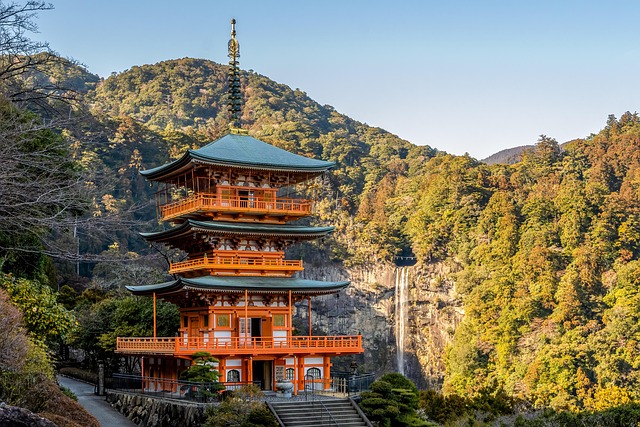
Most guidebooks present a 12-day itinerary through Tokyo, Kyoto, and Osaka as a seamless cultural montage. However, they rarely mention the physical and mental toll of “Natsubate”—the summer lethality that drains even the most seasoned travelers. The real frustration isn’t the distance between cities; it’s the sensory overload combined with a climate that feels like walking through a warm, damp sponge. By day five, the majestic temples of Kyoto can begin to look identical, and the vibrant neon of Shinjuku can feel overwhelming rather than exhilarating. Travelers often find themselves trapped in a cycle of “checking boxes” while their energy reserves hit zero before lunchtime.
Field-Tested Workarounds for the Modern Explorer
To navigate the mid-August heat and the residual crowds of the Obon season, seasoned travelers employ a “split-day” strategy. Rather than pushing through the midday sun, return to your hotel or seek sanctuary in a Depachika (department store basement food hall) between 1:00 PM and 4:00 PM. These climate-controlled underground paradises offer world-class cuisine and a necessary respite from the ultraviolet glare.
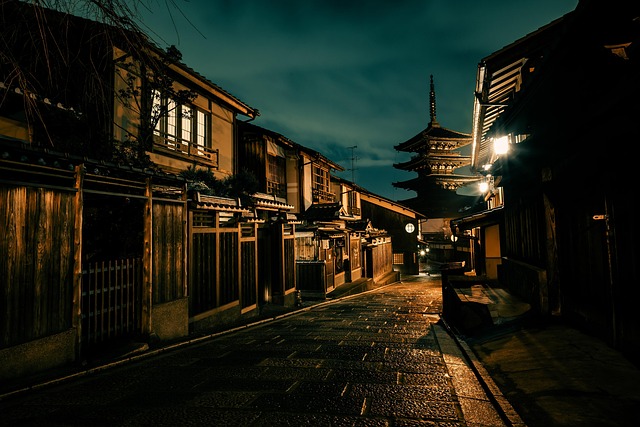
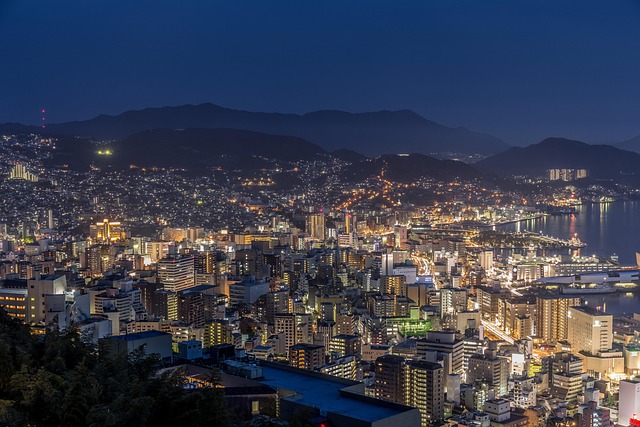
Another insider hack involves shifting your sightseeing to the “Blue Hour.” Many of Japan’s most atmospheric experiences—such as the lantern-lit streets of Gion or the towering heights of the Shibuya Sky observatory—are significantly more comfortable and visually stunning after 6:00 PM. If you find yourself in Tokyo during a sudden afternoon downpour, head for the permanent “TeamLab” installations or the extensive underground walkways of Tokyo Station; these spaces allow you to remain mobile and entertained without ever stepping into the rain or heat.
The Vertical Escape
When the city streets feel too congested, look up. Japan’s urban landscape is designed vertically. Many of the best cafes, bars, and even small shrines are located on the upper floors of non-descript commercial buildings. Utilizing apps to find “hidden” floor-level establishments can lead you to quiet, air-conditioned sanctuaries that the street-level crowds never discover.
An Insider’s Perspective: The Art of the Slow Burn
In my years observing the evolution of Japanese tourism, the most successful first-time itineraries are those that treat Japan not as a museum to be viewed, but as an atmosphere to be inhabited. The 12-day window is a sprint if you try to see everything, but a marathon if you choose your “anchor” experiences wisely.
Late August offers a unique cultural transition. While the heat is peak, the evening Bon Odori festivals and local neighborhood matsuri provide an authentic intimacy that you won’t find in a guidebook’s top ten list. My advice is to sacrifice one “major” temple for a quiet afternoon in a local kissaten (traditional coffee shop) or a visit to a neighborhood sento (public bath). The true magic of Japan isn’t found in the perfect photo of the Kinkaku-ji; it’s found in the quiet efficiency of a local train and the unexpected kindness of a shopkeeper during a summer storm. Plan for 70% of your day, and let the remaining 30% be dictated by the serendipity of the streets.
KEYWORDS: Japan summer travel, Kyoto temple, Tokyo city lights
Photo: Pixabay / Pixabay License