AKIO NARIMATSU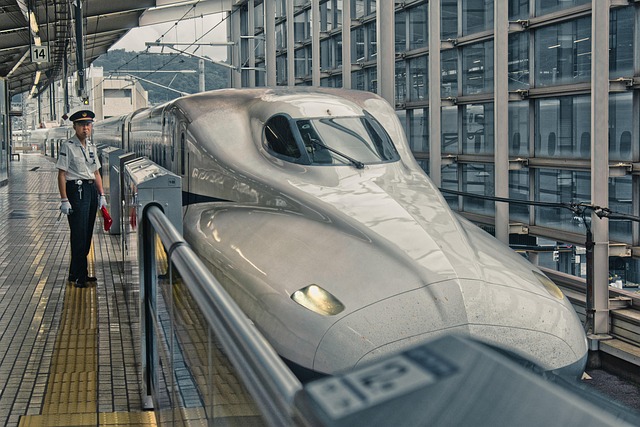
Mastering the Seven-Day Sprint: How to Conquer Japan Without Burning Out
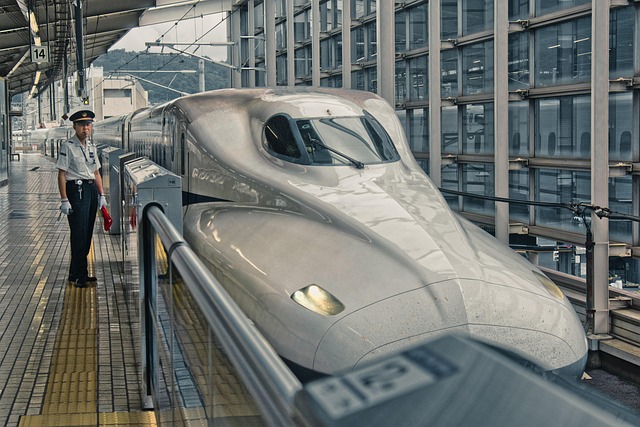
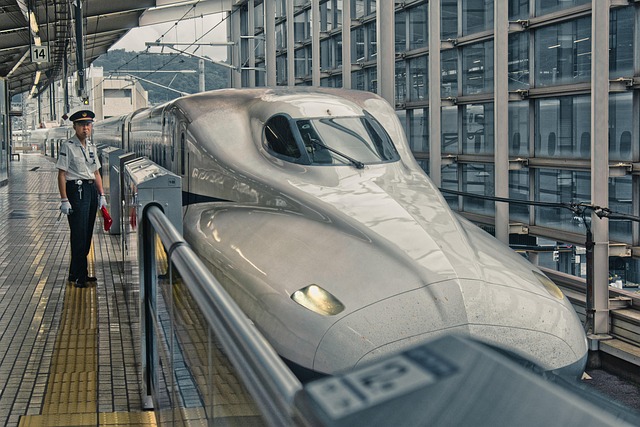
- The “Hub-and-Spoke” Strategy: For a one-week itinerary, never change hotels more than twice. Establish a base in Tokyo and a base in Kyoto; use the Shinkansen for a single mid-week transition to maximize your actual sightseeing time.
- Leverage Luggage Forwarding (Takkyubin): Do not drag suitcases through the labyrinth of Shinjuku or Kyoto Station. Use overnight delivery services between hotels for a nominal fee, allowing you to travel light and hands-free on transit days.
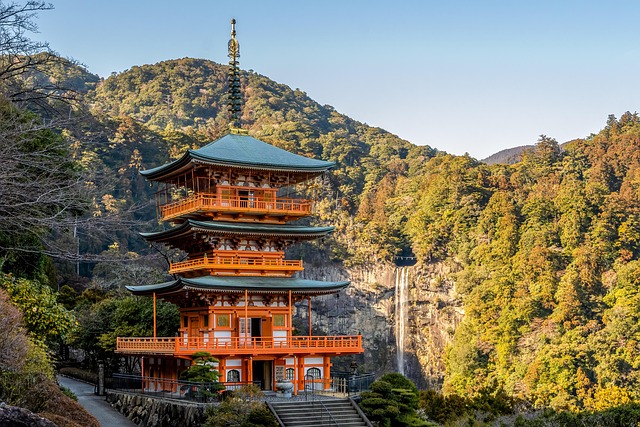
- The 8:00 AM Rule: Japan’s most iconic sites, such as Fushimi Inari or Senso-ji, become overwhelmed by 10:30 AM. Arriving at dawn isn’t just for photographers; it is the only way to experience the spiritual serenity these locations were designed for.
- Digital Transit Readiness: Add a digital Suica or Pasmo card to your smartphone wallet before you land. This eliminates the need to stand in line at physical kiosks and allows for seamless tapping at ticket gates and vending machines.
The “Efficiency Trap”: What Guidebooks Won’t Tell You
The most pervasive frustration for first-time travelers to Japan is the deceptive nature of the “Golden Route.” On paper, visiting Tokyo, Kyoto, and Osaka in seven days looks perfectly manageable. In reality, this schedule often leads to what I call “Transit Fatigue.” Guidebooks highlight the speed of the Shinkansen but often gloss over the “hidden” hours: the thirty minutes spent navigating a massive station, the time spent checking into hotels, and the physical toll of walking ten miles a day on concrete.
The genuine problem is the psychological weight of a checklist. When you have only 48 hours in Kyoto, every minute spent in a long queue for a bus or a crowded cafe feels like a failure. This creates a high-stress environment that is the antithesis of the “Zen” experience most travelers are seeking.
Field-Tested Solutions for the Time-Crunched Traveler
To bypass the common pitfalls of a week-long journey, seasoned experts rely on a few specific workarounds that prioritize depth over breadth. First, strip back the Osaka overnight stay. If your heart is set on the neon lights of Dotonbori, treat it as a late-night excursion from Kyoto. The cities are only 15 to 30 minutes apart via train. By eliminating one hotel check-in/check-out cycle, you reclaim nearly four hours of usable vacation time.
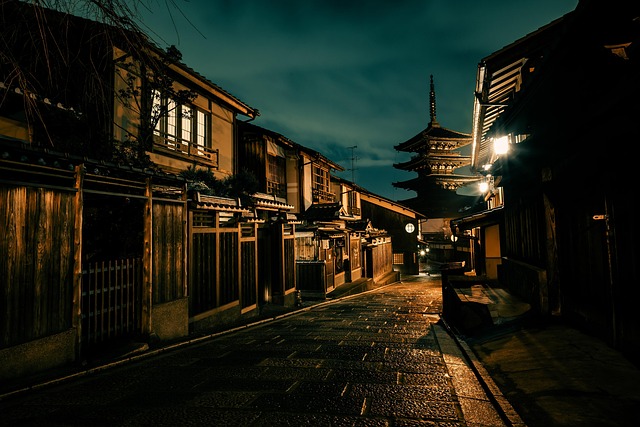
Second, curate your Tokyo districts by proximity. Instead of jumping from Shibuya to Asakusa (west to east), group your days geographically. Spend one day exploring the “West Side” (Shinjuku, Shibuya, Harajuku) and another on the “East Side” (Ueno, Akihabara, Asakusa). This reduces your reliance on the subway and allows for the serendipitous discoveries—the hidden shrines and tiny coffee shops—that define the Japan experience.
Finally, utilize the “Depachika” Strategy for dining. If popular restaurants have two-hour waits, head to the basement of major department stores like Isetan or Takashimaya. These food halls offer gourmet-quality bento and local delicacies that far surpass standard restaurant fare, allowing you to eat like royalty without the time-drain of a formal sit-down meal.
The Insider Perspective: The Value of the “Empty Day”
From my years in the industry, I have observed that the most successful itineraries are not the ones that are packed, but the ones that breathe. In a seven-day window, you must schedule a “Plan-less Afternoon.” Japan is a country of exquisite details—the way the light hits a mossy stone or the precision of a craftsman in a side-street workshop.
If you are constantly checking your watch to make a dinner reservation or a train connection, you will miss the very essence of why people fall in love with this country. My professional recommendation is to choose three “must-see” pillars for your week and let everything else be a flexible suggestion. In Japan, the most profound moments rarely happen at the famous landmarks; they happen in the quiet moments between them.
KEYWORDS: shinkansen train, kyoto temple, tokyo street photography
Photo: Pixabay / Pixabay License