AKIO NARIMATSU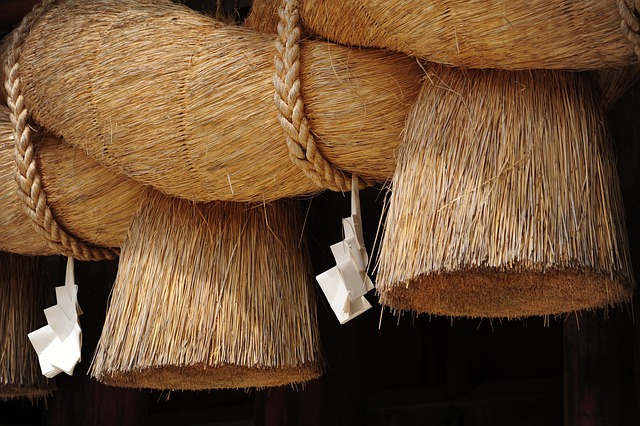
Pro-Tips for Your Western Japan Expedition
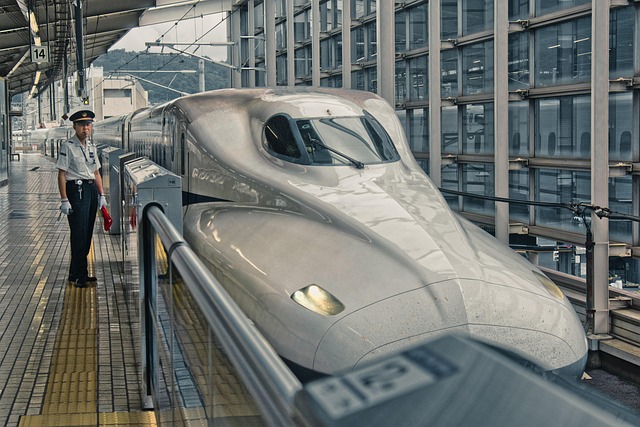
- Leverage the Sanyo-San’in Area Pass: Don’t pay for individual tickets; this specific rail pass covers the expensive Shinkansen lines between Osaka and Hiroshima, as well as the limited express trains crossing over to the northern coast, offering incredible ROI.
- Master the “Takkyubin” Logistics: When moving between the Sanyo (south) and San’in (north) coasts, the terrain is mountainous. Send your heavy luggage ahead via a delivery service so you can navigate the smaller regional trains with ease.
- Sync with the “Super Yakumo”: To cross the Chugoku mountain range efficiently, time your travel with the Limited Express Yakumo. It is the vital artery connecting Okayama to the mystical northern shrines.
- Book the Sunrise Izumo Sparingly: While the overnight train sounds romantic, it is notoriously difficult to book for groups. Use it as a “nice-to-have” alternative rather than the cornerstone of your logistics.
The Invisible Barrier: The “Two Japans” Problem
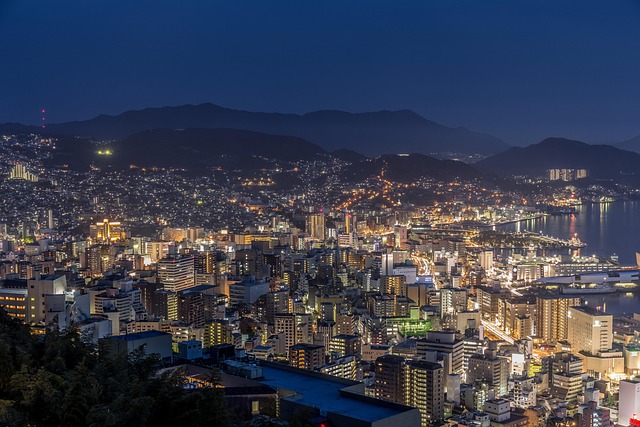
Most guidebooks present Western Japan as a seamless map of highlights, but they fail to mention the logistical invisible wall: the Chugoku Mountains. Travelers often plan itineraries that bounce between the glittering Seto Inland Sea (Hiroshima and Okayama) and the rugged Sea of Japan (Matsue and Tottori) as if they were adjacent neighborhoods. In reality, crossing from the south coast to the north coast is a time-intensive endeavor that can consume half a day if not perfectly timed.
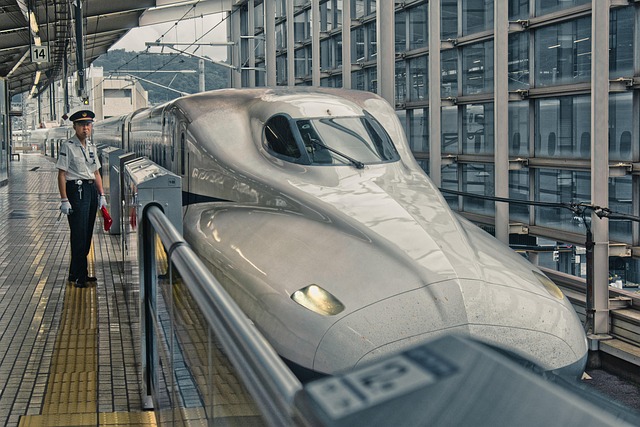
The frustration doesn’t stem from distance, but from the shift in rhythm. You move from the high-speed efficiency of the Nozomi Shinkansen to the winding, single-track charm of regional lines. Without a strategic hub, travelers find themselves spending more time in transit than actually standing before the “rabbit of Inaba” or the black walls of Matsue Castle.
Field-Tested Strategies for the San’in Circuit
To conquer the vastness of the Chugoku region, seasoned explorers utilize Matsue as a strategic anchor. Rather than changing hotels every night, base yourself in Matsue for three nights. From here, the spiritual epicenter of Izumo Taisha is a short hop away, and the Adachi Museum of Art—frequently voted the most beautiful garden in Japan—is easily accessible via shuttle.
Another insider hack involves the Tottori “Thousand Yen Taxi” program (or similar regional subsidies). In areas where bus schedules are infrequent, local municipalities often offer discounted private taxi tours for international visitors. This allows you to see the Tottori Sand Dunes and the Uradome Coast in a three-hour window that would take an entire day using public buses. Furthermore, if you are heading back toward Osaka from Tottori, the Super Hakuto express is your best friend; it utilizes private tracks to shave an hour off the journey, providing a luxury “front-row seat” view of the rural landscape.
The Insider Perspective: Finding the Soul of Old Japan
As an industry professional, I’ve watched the “Golden Route” of Tokyo-Kyoto-Osaka become increasingly saturated. The true value for the modern traveler lies in San’in—the “land in the shadow of the mountains.” While Hiroshima offers a powerful historical narrative, places like Matsue and Izumo offer a living connection to Japanese mythology that feels untouched by the hands of overtourism.
The secret to a successful Western Japan itinerary is contrast. Do not try to see every temple in Kyoto. Instead, experience the urban energy of Osaka, the somber reflection of Hiroshima, and then intentionally “decelerate” as you cross to the northern coast. The San’in region isn’t just a detour; it is the atmospheric palate cleanser that prevents “temple fatigue” and provides the quiet, misty landscapes that most travelers are actually searching for when they first book a ticket to Japan.
KEYWORDS: matsue castle, izumo taisha, japanese train landscape
Photo: Pixabay / Pixabay License