AKIO NARIMATSU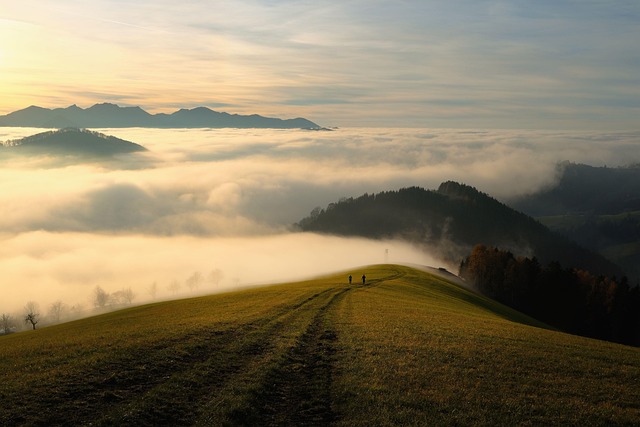
Pro Tips for Navigating the Japanese Heartland
- Master the Art of Takkyubin: Never drag heavy suitcases through cobblestone streets or onto crowded local buses. Use luggage forwarding services (Takkyubin) to send your bags directly from your Tokyo hotel to your next major stop, keeping only a small daypack for overnight stays in traditional villages.
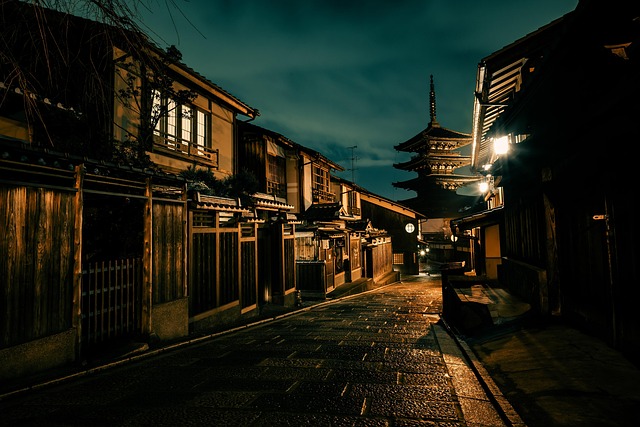
- The “Shoulder Hour” Strategy: To experience “real” Japan in popular spots like Kanazawa or Magome, arrive by 4:00 PM and stay overnight. Most day-trippers vanish by 5:00 PM, leaving the atmospheric, lantern-lit streets entirely to you and the locals.
- Invest in the Hokuriku Arch Pass: If your journey takes you through the Japanese Alps instead of the direct Tokaido Shinkansen, this pass offers incredible value and covers the specialized “Limited Express” trains that access the deep mountains.
- Look for “Satoyama” Experiences: When booking, search for destinations highlighting “Satoyama”—the traditional borderland between mountain foothills and arable flatland. These areas offer the most authentic connection to Japan’s seasonal rhythms.
The Paradox of the “Golden Route”
The most significant frustration modern travelers face in Japan is the “Theme Park” effect. Guidebooks promise the serenity of a Zen garden or the timelessness of a samurai-era post town, but the reality often involves elbowing through crowds of selfie-stick-wielding tourists in Kyoto’s Gion district or Tokyo’s Shibuya. The genuine frustration isn’t that these places aren’t beautiful—they are—it’s that the sheer density of tourism can strip away the “wa” (harmony) that travelers fly halfway across the world to find.
Many visitors feel trapped on the high-speed Shinkansen corridor, zipping at 300km/h between neon-lit megacities, missing the textured, soulful Japan that exists in the “in-between” spaces. The challenge is finding destinations that are accessible enough for a five-day window but remote enough to still feel like a discovery.
Escaping the Corridor: Field-Tested Alternatives
To find the Japan that exists outside the glossy brochures, one must look toward the Nakasendo Way and the Hokuriku region. These areas provide the perfect bridge between Tokyo and the Kansai region (Osaka/Kyoto) without sacrificing modern comforts.
The Kiso Valley is the antidote to Tokyo’s sensory overload. Walking the ancient trail between Magome and Tsumago allows you to move at a human pace. These preserved post towns prohibit overhead power lines and modern signage, creating a sensory experience that feels remarkably intact. Staying in a local minshuku (family-run inn) here offers a glimpse into a lifestyle where the evening meal is centered around a sunken hearth (irori) and the silence is absolute.
For those seeking cultural depth without the Kyoto crowds, Kanazawa serves as an elite alternative. Often called the “Little Kyoto,” it was one of the few major cities spared from wartime destruction. The Nagamachi samurai district and the Higashi Chaya geisha district offer architectural integrity that feels lived-in rather than curated. Furthermore, a detour into the Noto Peninsula or the nearby mountain village of Shirakawa-go provides a look at the “gassho-zukuri” farmhouses—massive thatched-roof structures designed to withstand heavy alpine snow, representing a triumph of traditional engineering.
The Insider Perspective: Why the “In-Between” Matters
As an industry veteran, I have observed that the most “authentic” moments in Japan rarely happen at a famous landmark. They happen in the quiet transitions. Authenticity in Japan is found in the layers of daily life: the meticulously swept entrance of a neighborhood shrine, the steam rising from a local public bath (sento), and the regional flavors that change with every train stop.
The secret to a successful five-day transit between Tokyo and Osaka is to stop viewing the journey as a transit and start viewing it as a destination. By choosing the “Hokuriku Arch” or the “Central Alps” route over the standard Shinkansen line, you aren’t just traveling—you are witnessing the geographical and cultural backbone of the country. Real Japan isn’t a museum; it’s a rhythm. To hear it, you simply have to step away from the noise of the primary tourist circuit and allow yourself to be “lost” in the mountains for a few days.
KEYWORDS: japanese mountain village, traditional ryokan, nakasendo trail
Photo: Pixabay / Pixabay License