AKIO NARIMATSU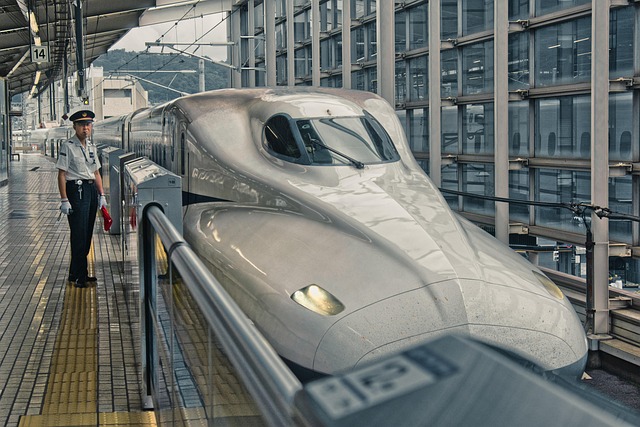
Mastering the Golden Route: A Strategic Guide to Japan in Autumn
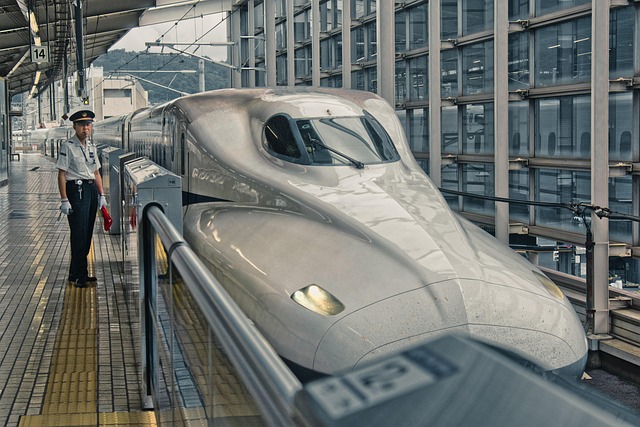
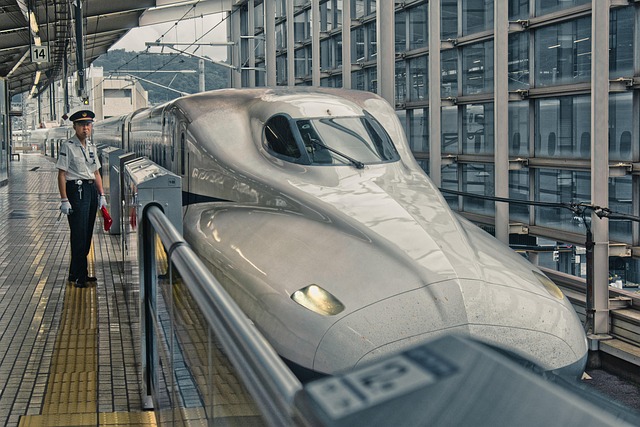
- Leverage Luggage Forwarding (Takkyubin): Never haul heavy suitcases through crowded subway stations or onto the Shinkansen. Use hotel-to-hotel delivery services to travel light and arrive refreshed.
- Digital IC Integration: Add a Suica or Pasmo card directly to your smartphone’s digital wallet before arrival. This eliminates the need to queue at physical kiosks and allows for seamless transit and convenience store payments.
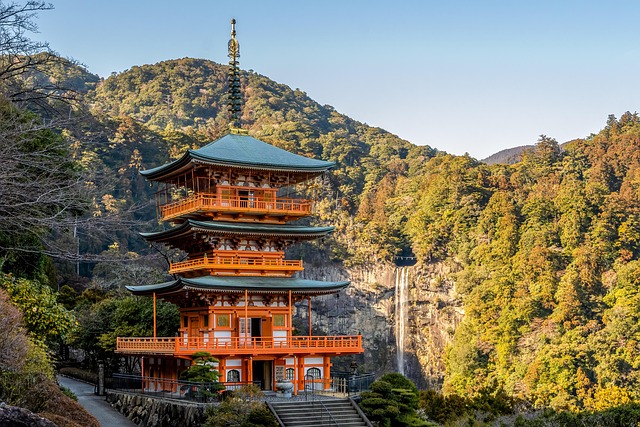
- The “One-and-Done” Temple Rule: To avoid cultural fatigue, schedule only one major shrine or temple per day. Spend the rest of your time exploring local neighborhoods, craft workshops, or culinary hidden gems.
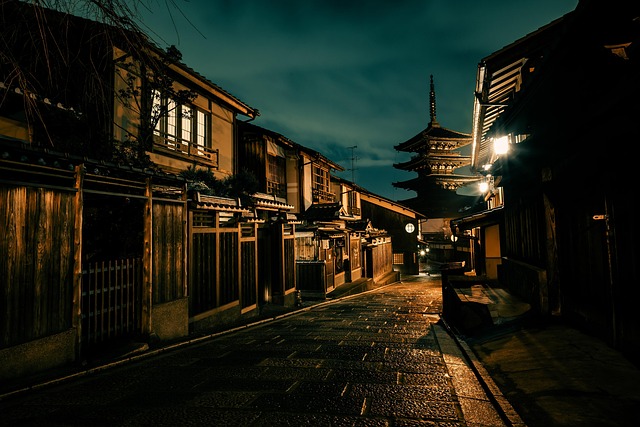
- Autumn Light-up Strategy: During November, many Kyoto temples host evening “illuminations.” Plan your visits for after sunset to experience the fiery maples in a completely different, more ethereal atmosphere.
The Invisible Hurdle: The Logistics Trap
Most guidebooks present a Japan itinerary as a series of dots on a map, connected by high-speed trains and efficient subways. They promise a seamless transition from the neon glow of Shinjuku to the serene bamboo groves of Arashiyama. However, the “real” problem that seasoned travelers face—and guidebooks often ignore—is the sheer physical and mental toll of “station navigation.”
Navigating hubs like Shinjuku or Tokyo Station isn’t just about walking; it is an endurance sport. The cognitive load of interpreting multi-level signage while navigating crowds of thousands can lead to “itinerary exhaustion” by day four. Many travelers find themselves so focused on the logistics of getting to the destination that they have no energy left to actually enjoy it once they arrive.
Field-Tested Strategies for a Seamless Journey
To bypass the common frustrations of peak-season travel, we recommend a shift in tactical planning. Rather than following the herd, utilize these industry-vetted workarounds:
The Early Dinner Pivot: In high-traffic areas like Kyoto’s Gion or Osaka’s Dotonbori, the most coveted restaurants are booked out months in advance. The workaround? Shift your main meal to 4:30 PM. You’ll often find walk-in availability at elite establishments, and you’ll finish just as the evening crowds are beginning to peak, allowing you to explore the streets while everyone else is stuck in line.
Strategic Hub Selection: Instead of staying in the chaotic center of Shinjuku, consider Ueno or Nihonbashi. These areas offer direct Shinkansen access and superior connectivity to the airports without the overwhelming scale of the larger western hubs. In Kyoto, look toward the area around Sanjo or Shijo-Karasuma rather than the main station to stay within walking distance of authentic local dining.
The “Buffer Day” Philosophy: The most successful itineraries are those that leave room for the unexpected. For every three days of active sightseeing, schedule a “low-impact” day with no fixed reservations. This allows you to revisit a favorite spot, shop for local crafts, or simply recuperate from the walking distances that frequently exceed 20,000 steps per day.
The Insider Perspective: The Evolution of Japanese Tourism
As an industry professional, I’ve observed a significant shift in the Japanese travel landscape. We are moving away from the era of “ticking boxes” and into an era of intentional immersion. By 2026, the demand for authentic, slow-travel experiences will reach an all-time high. The travelers who enjoy Japan the most are no longer those who see the most sights, but those who curate their journey to allow for “Ma”—the Japanese concept of negative space or the gap between things.
When planning your November 2026 voyage, remember that the autumn leaves (Koyo) are a fleeting gift. The beauty of Japan lies not in the efficiency of its trains, but in the moments of quiet contemplation found in a side-street tea house or a suburban park. Prioritize your mental space over your checklist, and the magic of the country will reveal itself to you far more readily than any guidebook could ever promise.
KEYWORDS: Kyoto autumn foliage, Japan luggage forwarding, Shinkansen travel tips
Photo: Pixabay / Pixabay License