AKIO NARIMATSU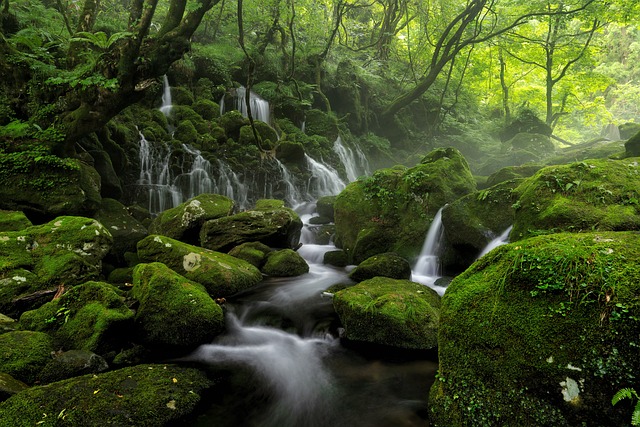
Mastering the Wild North: A Strategic Guide to Tohoku in June
- Leverage the JR East Pass (Tohoku Area): Unlike the national rail pass, this regional powerhouse covers the Joyful Trains—unique themed carriages like the Resort Shirakami—and offers flexibility that is essential for the vast distances of Northern Honshu.
- Synchronize with the “Tsuyu” Transition: While Central Japan swelters in the rainy season during June, Tohoku often remains pleasantly cool and bright until mid-month. Plan your mountain treks for the first two weeks to avoid the humidity.
- Master the “Last Mile” with On-Demand Taxis: In rural areas like the Oirase Gorge or the hidden reaches of the Shimokita Peninsula, local bus schedules can be sparse. Download regional taxi apps or have your hotel book a “sightseeing taxi” for a fixed-rate half-day excursion.
- Prioritize the “Joyful Trains”: Northern Japan is home to the world’s most creative rolling stock. The Tohoku Emotion (a traveling restaurant) and the Pokedéxtra are experiences in themselves, not just transport, and should be booked exactly one month in advance.
The “Tohoku Paradox”: Why Guidebooks Fail the Northern Traveler
The genuine frustration that most travelers encounter in Tohoku isn’t a lack of beauty; it is the sheer scale of the landscape. Guidebooks frequently list Aomori, Akita, and Miyagi as if they are neighboring suburbs of Tokyo. In reality, attempting to “do” Tohoku in a week often results in a “View from a Window” holiday. You spend six hours a day on Shinkansen tracks and limited express lines, only to arrive at a destination just as the local museum or temple closes its gates at 4:00 PM.
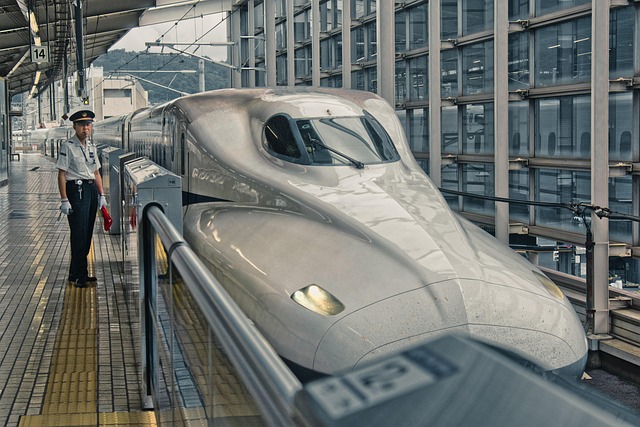
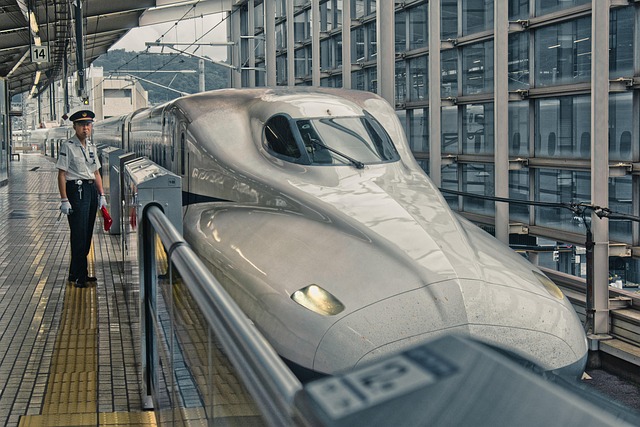
The “real” problem is the logistical “last mile.” While the Shinkansen will whisk you to Morioka at 320km/h, the bus to the iconic Nyuto Onsen might only run once every two hours. This disconnect between high-speed rail and rural infrastructure creates a “hurry up and wait” cycle that can drain the magic out of even the most curated itinerary.
Field-Tested Workarounds for the Sophisticated Explorer
To navigate these challenges, seasoned travelers utilize a “Hub and Spoke” strategy rather than a linear point-to-point route. By basing yourself in Sendai or Morioka for three nights each, you eliminate the constant packing and unpacking associated with rural travel. From Sendai, the coastal beauty of Matsushima and the mountain temples of Yamadera are effortless day trips that allow for spontaneous changes based on the weather.
Another insider hack involves the Michi-no-Eki (Roadside Stations). While guidebooks ignore them as mere pitstops, in Tohoku, these are culinary goldmines. If you are renting a car—which is highly recommended for the Sanriku Coast—these stations offer the freshest seasonal produce, such as June’s famous cherries from Yamagata, at a fraction of department store prices. Furthermore, for those heading into the deep mountains of the Dewa Sanzan, always utilize Takkyubin (luggage forwarding). Trying to navigate the 2,446 stone steps of Mount Haguro with anything more than a daypack is a mistake you only make once.
The Insider Perspective: Embracing the “Slow North”
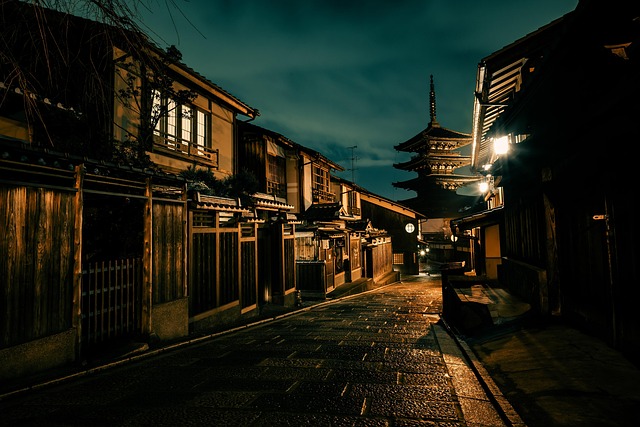
As an industry professional, I view Tohoku in June as the ultimate antidote to the “overtourism” currently saturating the Golden Route. While Kyoto is fighting for breathing room, the Oirase Stream in Aomori offers miles of moss-covered serenity and crystal-clear water with barely a soul in sight. June provides a specific aesthetic: the “Shinryoku” or fresh greenery. This vibrant, neon-green canopy is, in my opinion, more spiritually moving than the fleeting cherry blossoms of April.
The secret to a successful Tohoku trip is to stop treating it like a checklist. This region rewards the patient traveler who lingers in a kokeshi doll workshop in Naruko or spends an extra hour soaking in a cedar-wood bath in Akita. The north is not a place to be “seen”—it is a place to be felt. If you allow your schedule to breathe, Tohoku will provide an authenticity that is becoming increasingly rare in the rest of Japan.
KEYWORDS: tohoku region japan, oirase stream, rural japan nature
Photo: Pixabay / Pixabay License