AKIO NARIMATSU
Mastering the Japanese Itinerary: How to Build a Journey That Actually Breathes
Planning a debut trip to Japan often feels like a high-stakes puzzle. Between the neon-lit skyscrapers of Shinjuku and the moss-covered temples of Kyoto, the urge to see everything is overwhelming. However, the difference between a transformative cultural experience and an exhausting marathon lies in the structural integrity of your itinerary.
- The 1.5x Transit Rule: Always add 50% more time to the transit estimates provided by navigation apps. Navigating the subterranean labyrinths of Shinjuku or Tokyo Station requires time that digital maps simply cannot account for.
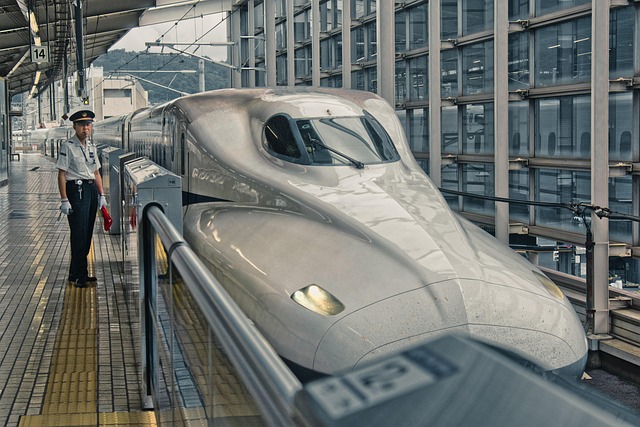
- Leverage “Takkyubin” (Luggage Forwarding): Never drag a large suitcase onto a Shinkansen. Use overnight luggage forwarding services to send your bags between hotels for a modest fee, allowing you to travel light and stress-free.
- The “One Anchor” Strategy: Schedule only one “must-see” landmark per day. Leave the rest of your afternoon open for the spontaneous discoveries—the tiny ramen shops and hidden shrines—that define the true Japanese experience.
- Prioritize IC Cards: Whether it is a digital Suica or a physical Welcome Suica, ensure your transit card is loaded before you arrive at a major gate. It is the single most important tool for seamless movement across the country’s complex rail networks.
The “Real” Problem: The High-Speed Transit Trap
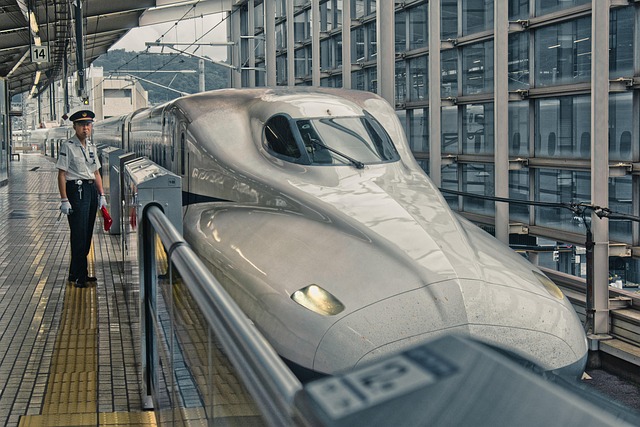
The most significant frustration first-time travelers face is what I call “the logistics tax.” Traditional guidebooks excel at listing destinations, but they rarely mention the physical and mental toll of Japan’s efficiency. Because the Shinkansen makes traveling hundreds of miles feel instantaneous, travelers often over-pack their schedules. They treat Japan like a checklist rather than a destination.
The genuine fatigue doesn’t come from the sights themselves; it comes from the constant cognitive load of navigating foreign transit systems, decoding restaurant menus, and the sheer sensory input of Japanese urban life. When you move cities every two days, you aren’t seeing Japan—you are seeing the inside of train stations and hotel lobbies.
Field-Tested Solutions for the Modern Traveler
To avoid the common pitfalls of a “first-timer” schedule, seasoned experts rely on the Hub-and-Spoke Model. Instead of changing hotels every night to be closer to a specific site, choose a central “hub” like Osaka or Kyoto and stay there for five to seven days. Japan’s rail infrastructure is designed for this; you can reach Nara, Kobe, or Uji within an hour and return to the same bed at night. This eliminates the “packing and checking-in” friction that eats up precious morning hours.
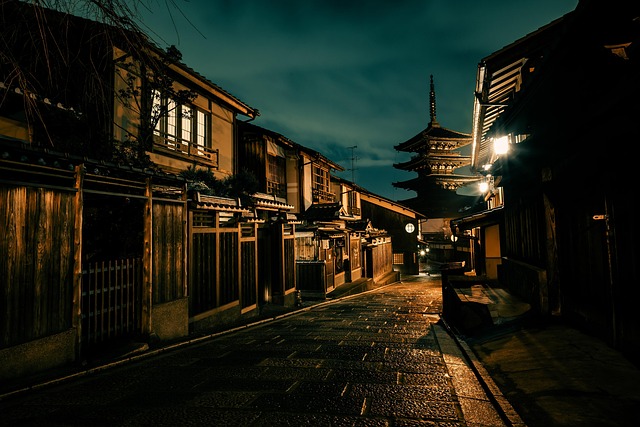
Another essential workaround is the “Reverse-Peak” Strategy. Most travelers flock to major sites like the Fushimi Inari Shrine or the Shibuya Crossing at mid-day. To truly experience these places without the crushing weight of crowds, aim for “blue hour” (just before sunrise) or late evening. Japan is remarkably safe and often more atmospheric after the tour buses have departed.
The Insider Perspective: Embracing the “Ma” of Travel
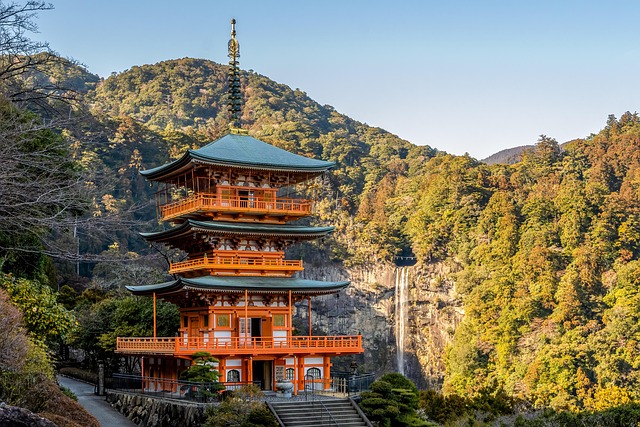
In Japanese aesthetics, there is a concept called Ma—the beauty in empty space. As an industry insider, I have seen thousands of itineraries, and the most successful ones are those that intentionally build in “empty space.” A perfect trip to Japan isn’t measured by the number of stamps in your Goshuicho (temple book), but by the moments where you had the time to sit in a Zen garden long enough to actually feel the silence.
Stop trying to “optimize” every minute. Japan is a country of layers; the more you rush, the more the experience remains on the surface. If you find yourself choosing between seeing one more temple or sitting in a local kissaten (coffee shop) for an hour, choose the coffee shop. That is where you will find the Japan you actually came to see.
KEYWORDS: kyoto temple, shinkansen train, japan street photography
Photo: Pixabay / Pixabay License