AKIO NARIMATSU
Navigating the Land of the Rising Sun: A Masterclass in Accessible Japan Travel
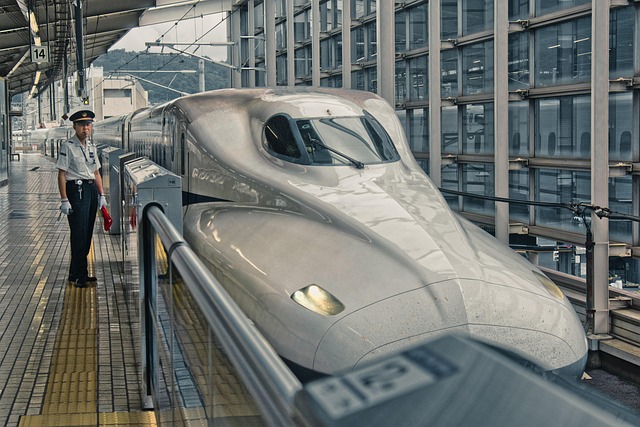
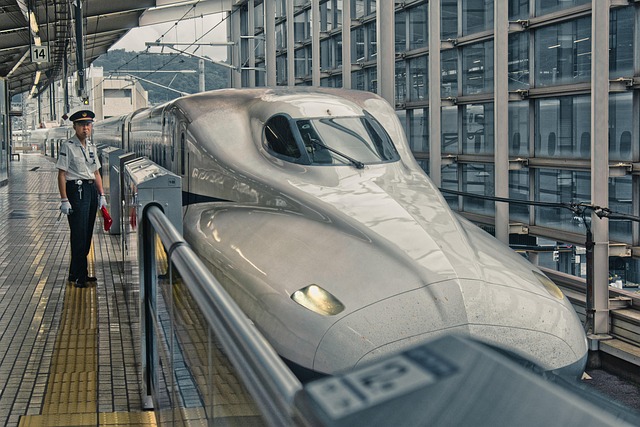
- Request Station Assistance Early: When using the JR lines or Shinkansen, notify the ticket gate staff of your destination. They will coordinate with the arrival station to have a staff member waiting with a portable ramp at your exact carriage door.
- Prioritize “Universal Design” Hotels: Standard Japanese hotel rooms are notoriously compact with raised bathroom “lips.” Specifically search for “Universal Design” or “Barrier-Free” rooms, which are legally required to meet higher accessibility standards.
- Master the “Elevator Exit” Strategy: Before exiting any train, locate the yellow-and-black signage indicating elevator-accessible exits. In complex hubs like Shinjuku or Umeda, taking the wrong exit can result in a 20-minute detour to find a street-level crossing.
- Leverage Department Store Infrastructure: When in need of a spacious, high-tech accessible restroom, head to the upper floors of major department stores like Takashimaya, Isetan, or Daimaru. These “Multipurpose Restrooms” (Dare-demo-toire) are gold standards for cleanliness and space.
The “Invisible” Barrier: The Frustration of Vertical Urbanism
While guidebooks frequently praise Japan for its modern infrastructure, they often gloss over the “hidden verticality” of its major cities. For an electric wheelchair user, the challenge isn’t a lack of accessibility—it is the sheer distance and complexity required to access it. You will find that while a station is technically “accessible,” the single elevator might be located at the far northern end of a platform, while your destination is at the south. This “logistics tax” can add significant travel time to your day, a reality rarely captured in a glossy brochure. The frustration often stems from the “hidden step”—that single, two-inch stone ledge at the entrance of a charming traditional restaurant or a boutique shop that effectively renders the entire establishment off-limits despite the street outside being perfectly paved.
Field-Tested Solutions for the Mobile Traveler
Seasoned travelers have developed a repertoire of workarounds to navigate these urban puzzles. One of the most effective hacks is the “Department Store Shortcut.” In dense areas like Ginza or Shibuya, use the elevators in large shopping complexes to move between subway levels and street levels; they are often faster and more reliable than public transit elevators.
Another insider secret involves the “Last Mile” navigation. Standard mapping apps often suggest the shortest walking route, which may include stairs or narrow pedestrian bridges. Instead, use specialized apps like WheeLog!, a crowdsourced map where users report the actual width of sidewalks and the presence of steep inclines. Furthermore, do not underestimate the Luggage Forwarding (Takkyubin) service. By sending your suitcases ahead to your next hotel for a nominal fee, you eliminate the physical burden of maneuvering luggage alongside a power chair, allowing you to focus entirely on navigating the terrain.
The Insider’s View: Bridging the Gap Between Policy and Reality
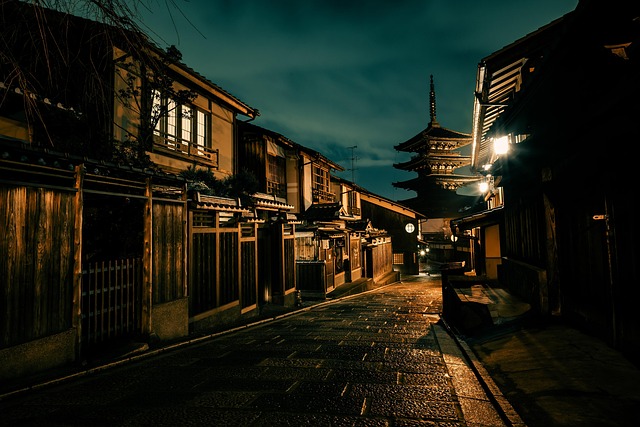
From an industry perspective, Japan is currently in a “Golden Age” of accessibility, spurred by the infrastructure legacy of the Tokyo 2020 Games. However, there remains a cultural gap between mechanical accessibility and experiential accessibility. While the train system is a marvel of precision—where staff will literally bow as they lay a ramp for you—the traditional heart of Japan, such as the temples of Kyoto or the izakayas of Golden Gai, remains a challenge due to preservation laws that limit structural modifications.
My recommendation for the discerning traveler is to adopt a “hub-and-spoke” itinerary. Base yourself in modern districts built after 1990 (such as Shiodome, Roppongi Hills, or the Osaka Station City area), where the “Barrier-Free Act” was strictly enforced during construction. From these modern hubs, you can venture into the traditional areas with the confidence that you have a seamless, accessible home base to return to. In Japan, accessibility is not always the shortest path, but with the right logistical framework, it is arguably the most reliable in the world.
KEYWORDS: wheelchair accessibility, Tokyo station, Japan travel tips
Photo: Pixabay / Pixabay License