AKIO NARIMATSU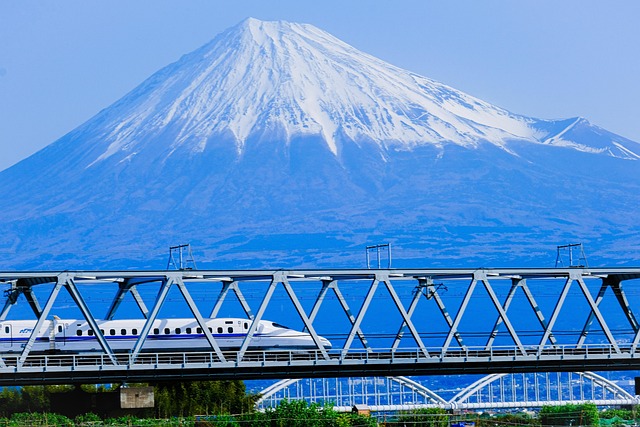
Actionable Tips for Your First Japan Journey
- Embrace the “Hands-Free” Philosophy: Utilize the Takkyubin (luggage forwarding) service to send your heavy suitcases between cities. It is remarkably affordable and allows you to navigate transit hubs without the physical burden of luggage.
- Digitize Your Transit: Skip the physical IC card lines. Add a Suica or Pasmo card directly to your smartphone’s digital wallet before you land. This enables seamless taps at turnstiles and instant top-ups via your credit card.
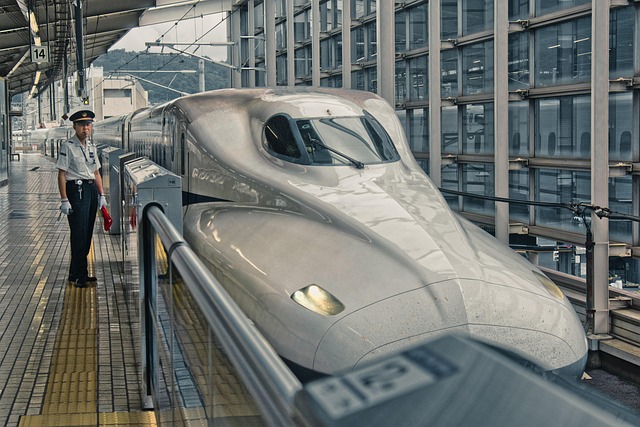
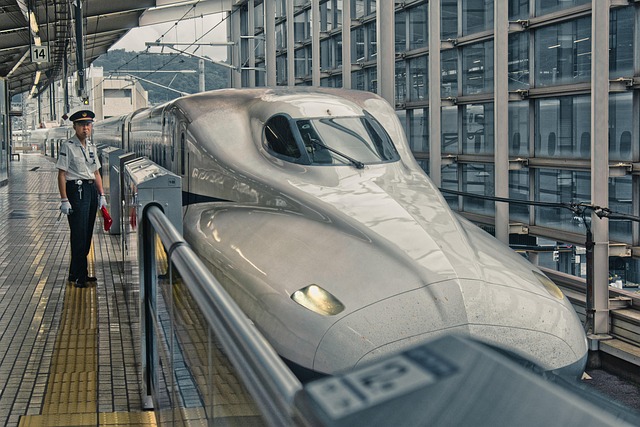
- The “E-Seat” Strategy: When booking your Shinkansen (bullet train) tickets from Tokyo to Kyoto, always request seats on the right-hand side (Side E) to catch the best view of Mount Fuji as you speed past.
- Pre-Book High-Demand Experiences: Major attractions like the Ghibli Museum, Shibuya Sky, and certain themed cafes require bookings weeks or months in advance. Set calendar alerts for ticket release dates to avoid disappointment.
The Invisible Wall: What Guidebooks Forget to Mention
While every guidebook praises the efficiency of the Japanese rail system and the beauty of Kyoto’s shrines, they often fail to mention the “Logistics of Three.” Most tourism infrastructure in Japan is meticulously designed for individuals or couples. For a group of three adults, the typical “double” or “twin” hotel room becomes a significant hurdle. You will frequently encounter rooms that simply cannot accommodate a third person, or “triple” rooms that are merely twins with a cramped cot added, leaving zero floor space for luggage.
Furthermore, the physical toll of a 10-night “Golden Route” itinerary (Tokyo, Kyoto, Osaka) is often underestimated. First-time travelers frequently suffer from “temple burnout” by day six because they attempt to treat Japan like a checklist. The genuine frustration isn’t finding a site; it’s the mental exhaustion of navigating the world’s most complex transit stations while trying to maintain a rigid, overpacked schedule.
Field-Tested Workarounds for a Seamless Itinerary
To bypass the common pitfalls of a 10-night debut trip, seasoned travelers have perfected several workarounds that prioritize comfort and sanity. First, the “Base Camp Strategy” is essential. Instead of moving hotels every two nights, choose a central hub like Osaka for the latter half of your trip. Osaka is only 15-30 minutes from Kyoto and Nara by train, allowing you to explore three major cities while only checking into one hotel. This eliminates the stress of constant packing and unpacking.
Regarding accommodation, look toward “Apartment Hotels” or specific brands like Mimaru. These are designed for groups and families, offering kitchenette facilities and genuine triple or quadruple bedding configurations that standard business hotels lack. For dining, avoid the “Top 10” lists found on major review sites, which often have two-hour wait times. Instead, explore the upper floors of department stores (depachika) or the basement “restaurant rows” in major stations. These spots offer high-quality, authentic meals used by locals, usually with minimal wait times.
The Insider Perspective: Depth Over Breadth
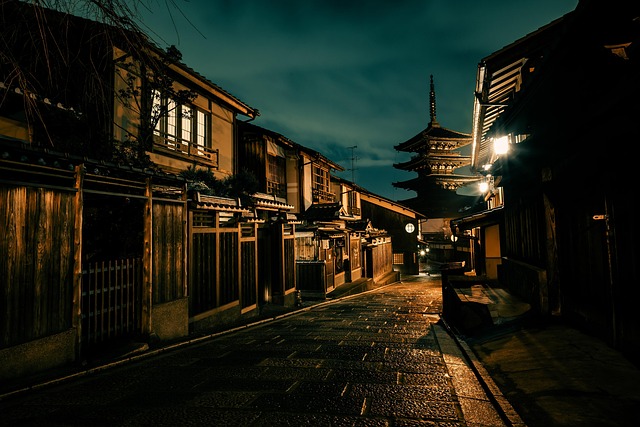
In my years of consulting for Japan-bound travelers, I have found that the most successful trips are those that respect the “Rule of Two.” In any given day, plan two major activities—one in the morning and one in the afternoon—and leave the evening for serendipity. Japan is a country of “micro-moments”: the quiet vending machine glow in a narrow alley, the craftsmanship of a random stationery shop, or the perfect bowl of ramen found by accident.
For a 10-night stay, do not feel pressured to see everything from Hiroshima to Kanazawa. Focus on the contrast between Tokyo’s neon-soaked futurism and the Kansai region’s historical soul. By narrowing your geographic scope, you deepen your cultural immersion. Remember, Japan is not a destination you visit once; it is a destination you begin to understand on your first trip and return to for the rest of your life. Treat this first journey as an introduction, not a final exam.
KEYWORDS: shinkansen mount fuji, kyoto street, tokyo skyline
Photo: Pixabay / Pixabay License