AKIO NARIMATSU
Mastering the Nuances of Modern Japan Travel: Beyond the Guidebook
- Digitize your transit before departure: Add a Suica or Pasmo card to your smartphone’s digital wallet before you even board your flight. Physical cards remain in short supply, and having your transit payment ready allows you to breeze through the gates at Narita or Haneda without joining a 40-minute queue at the ticket machines.
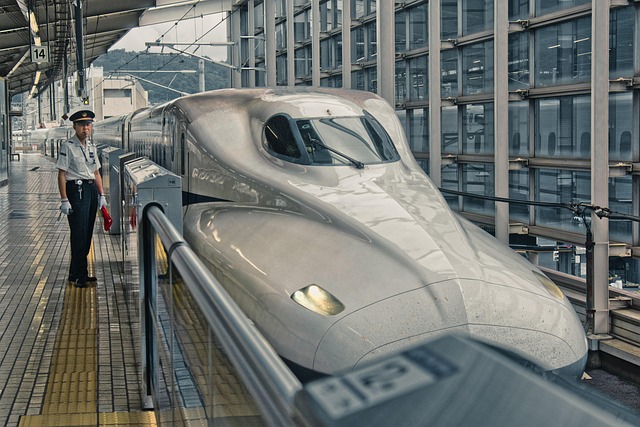
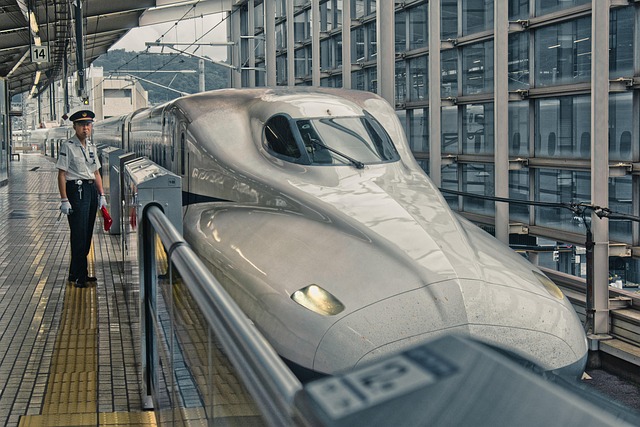
- Leverage luggage forwarding (Takkyubin): Never haul large suitcases onto the Shinkansen. Use a delivery service like Yamato Transport to send your bags from hotel to hotel for roughly $15–$20. It saves your back and avoids the strict new oversized baggage reservation rules on high-speed trains.
- Download “TableCheck” and “Hot Pepper”: The best local eateries rarely appear on English-language review sites. Use these local booking platforms to secure tables at authentic spots that guidebooks often overlook because they require a Japanese phone number or interface.
- Embrace the “B1F” Rule: When searching for high-quality, affordable meals in crowded districts like Shinjuku or Ginza, look down. The basements of department stores and office buildings house some of the country’s most elite culinary gems that tourists walking at street level completely miss.
The Invisible Barrier: The Myth of Spontaneity
The most significant frustration modern travelers face in Japan isn’t the language barrier or the navigation—it is the “death of spontaneity.” Many first-time visitors arrive expecting to wander into a charming Kyoto izakaya or a popular themed cafe on a whim, only to find every seat booked weeks in advance. The post-pandemic surge in tourism has created a landscape where the “Golden Route” (Tokyo-Hakone-Kyoto-Osaka) is perpetually at capacity. This leads to a genuine sense of exhaustion as travelers spend their precious vacation time standing in lines or being turned away from establishments that appear half-empty but are “fully booked” by reservation software.
Field-Tested Workarounds for the Savvy Traveler
The Reverse-Schedule Strategy
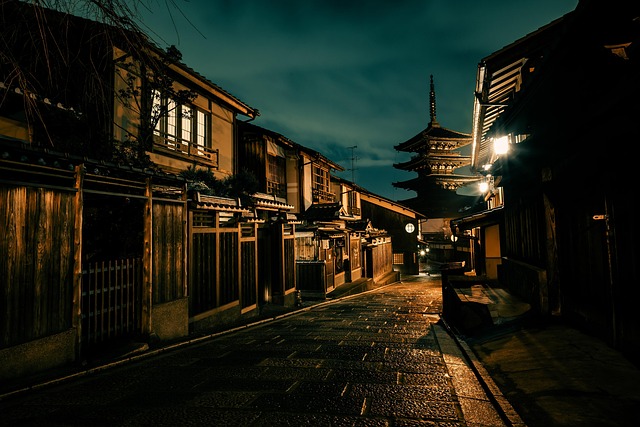
To see the iconic sights without the crushing weight of the crowds, you must invert your day. Most tour buses arrive at major shrines like Fushimi Inari or Senso-ji between 9:00 AM and 10:00 AM. By arriving at 6:30 AM, you experience these spiritual sites in their intended silence. Conversely, save your shopping for the late evening; many “Shotengai” (covered shopping streets) remain vibrant and less claustrophobic after the dinner rush when the day-trippers have returned to their hotels.
Navigating the “No Trash Can” Reality
Seasoned travelers know the “convenience store cycle.” Japan famously lacks public trash cans, which can lead to travelers carrying sticky waste for miles. The pro move is to consume your food or drink immediately at the FamilyMart or Lawson where you purchased it, utilizing their in-store bins. Alternatively, seek out the recycling bins next to vending machines, but remember: these are strictly for bottles and cans. Always carry a small, reusable dry-bag in your daypack specifically for “portable trash” to avoid the frustration of the hunt.
Finding Sanctuary in “Station Work” Booths
If you find yourself needing to take a professional call or simply need thirty minutes of absolute silence in a chaotic city, look for “Station Work” or “CocoDesk” booths. These soundproof, air-conditioned pods are located inside major train stations. They can be booked via a simple web interface and are a lifesaver for the modern “work-from-anywhere” traveler who needs a momentary escape from the sensory overload of Tokyo or Osaka.
The Insider’s Perspective: The High-Low Balance
From my years within the Japanese tourism industry, I’ve observed that the most satisfied travelers are those who practice a “High-Low” strategy. This means balancing the high-pressure, high-density “must-see” landmarks with low-stakes exploration in secondary cities. For every day spent in the heart of Kyoto, spend a day in a place like Uji or Onomichi. Japan’s infrastructure is designed for precision and efficiency, but its soul is found in the moments where that efficiency allows for quiet observation. Don’t just travel to see the sights; travel to experience the seamlessness of a society that prioritizes the collective experience. The real “secret” to Japan isn’t a hidden temple—it’s the way a 7-Eleven egg salad sandwich and a 300mph train ride can both be the highlight of your day.
KEYWORDS: japan travel tips, tokyo street, luggage forwarding service
Photo: Pixabay / Pixabay License