AKIO NARIMATSU
Mastering the Northern Corridor: A Strategic Guide to Tokyo, Tohoku, and Tochigi
- Exploit the “Post-Golden Week” Window: Schedule your arrival for the second week of May. You will bypass the domestic holiday crush while enjoying peak visibility for the late-blooming wisteria and the lush, “fresh green” (shinryoku) season in the mountains.
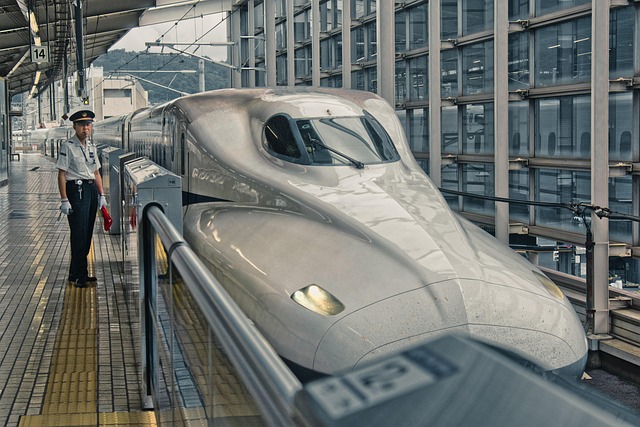
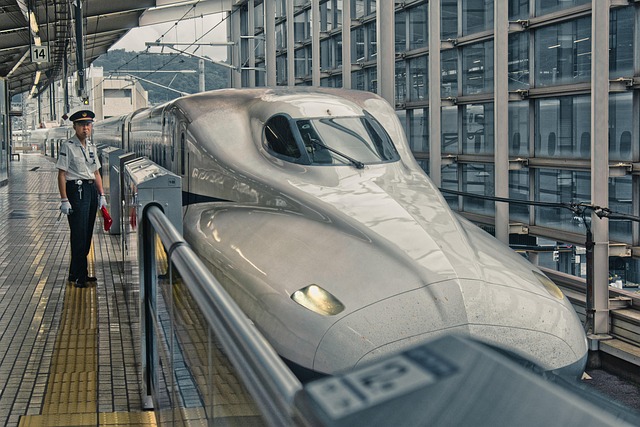
- Optimize Regional Rail Passes: If your itinerary focuses on the north, abandon the national JR Pass in favor of the JR East Tohoku Area Pass. It offers superior value for five flexible days of travel, covering the high-speed Hayabusa Shinkansen runs.
- Adopt the “Hub and Spoke” Strategy in Sendai: Instead of frequent hotel transfers, use Sendai as a central base for three nights. Its proximity to Matsushima Bay and Yamadera allows for light-luggage day trips via rapid transit.
- Tactical Luggage Forwarding (Takkyubin): When transitioning from Tokyo to Aomori or Akita, ship your primary suitcases 24 hours in advance. The Shinkansen overhead bins are not designed for international-sized luggage, and hands-free travel is essential for navigating rural stations.
The Invisible Hurdle: The “Golden Route” Fatigue
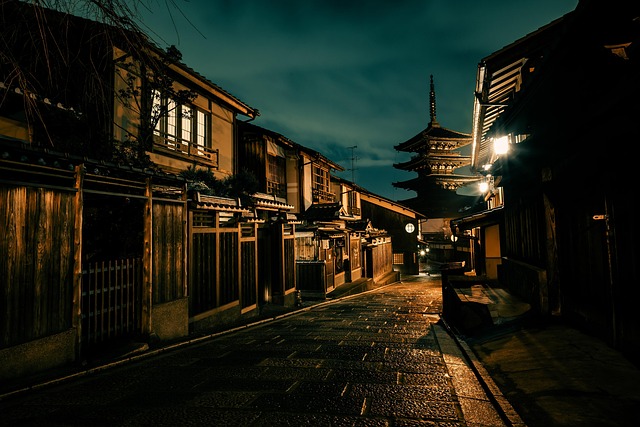
The most significant challenge facing modern travelers to Japan isn’t a lack of information, but the exhaustion of the “Golden Route.” Most itineraries force visitors into the high-pressure corridor between Tokyo, Kyoto, and Osaka. The result is a phenomenon I call “temple fatigue,” where the sheer density of crowds at iconic sites strips away the spiritual and aesthetic resonance of the experience. Guidebooks rarely mention that by following the herd, you are often trading genuine cultural immersion for a series of logistical battles against sea-of-people queues and over-tourism.
Field-Tested Solutions: Navigating the Deep North
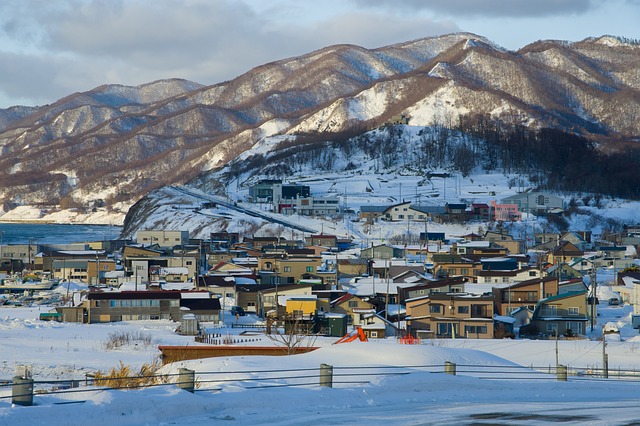
To reclaim the serenity of the Japanese landscape, sophisticated travelers are turning their sights toward the Tohoku region and the northern reaches of Tochigi. A successful journey here requires a shift in mindset. For instance, while Nikko is a standard day trip from Tokyo, the true value lies in staying overnight in the Okunikko area. By remaining at a higher elevation after the tour buses depart, you gain exclusive access to the atmospheric Chuzenji Lake and the Kegon Falls at dawn.
In the north, the “hidden” hack is leveraging the culinary geography of the Tohoku Shinkansen line. Rather than dining in crowded station squares, seasoned travelers look for “Eki-naka” (inside station) gourmet zones in secondary cities like Morioka or Hachinohe. These hubs offer high-end local delicacies—such as Maesawa beef or fresh Pacific seafood—at a fraction of the price and wait times found in Tokyo’s Ginza or Shinjuku districts. Furthermore, visiting the Ashikaga Flower Park during the evening “illumination” hours provides a dual benefit: the temperature drops to a comfortable level, and the lighting design creates a surreal perspective on the Great Wisteria that daytime photography simply cannot capture.
The Insider Perspective: The Decentralization of Luxury
From an industry standpoint, we are witnessing a pivotal shift in Japan’s tourism infrastructure. The government is heavily investing in “Deep Japan,” moving away from the concentrated urban centers. Tohoku, in particular, represents the frontier of luxury slow travel. The region offers a raw, seasonal authenticity that the more manicured cities of the south have lost.
When you travel through Tochigi and up into the northern prefectures, you aren’t just seeing sites; you are participating in a preserved way of life. Whether it is the artisanal lacquerware of Aomori or the hidden onsen towns of Akita, the “luxury” here is found in space, silence, and the absence of the “tourist gaze.” For the traveler who has already “done” Japan, the north is not just a destination—it is the remedy to the modern travel experience.
KEYWORDS: tohoku shinkansen, ashikaga flower park, nikko forest
Photo: Pixabay / Pixabay License