AKIO NARIMATSU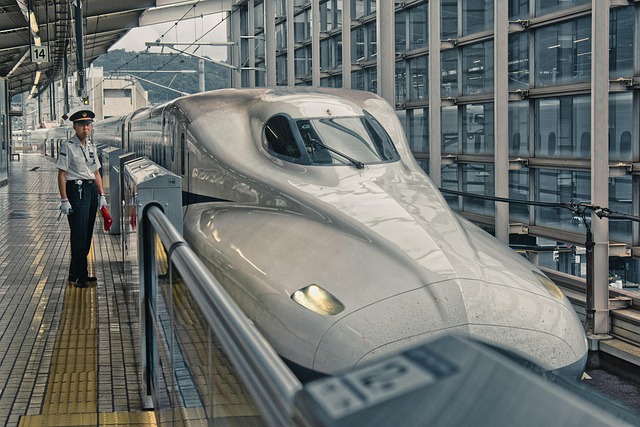
Mastering the 16-Night Japanese Odyssey: Beyond the Golden Route
Planning a multi-week journey through Japan is an exercise in restraint. While the temptation to see every shrine from Tokyo to Hiroshima is overwhelming, the secret to a transformative trip lies in the spaces between the landmarks. To ensure your next expedition is seamless and culturally resonant, start with these essential strategies:
- Leverage the “Hands-Free” Revolution: Utilize Takkyubin (luggage forwarding services) to send your heavy suitcases between cities. For less than $20, you can explore a stopover city like Nagoya or Shizuoka unburdened while your bags wait at your next hotel.
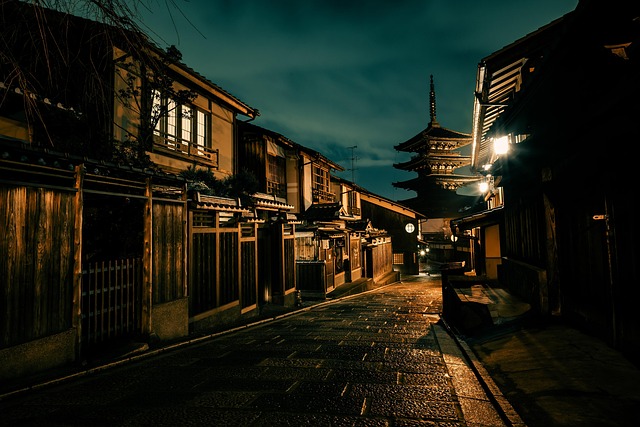
- The “Rule of Three” for Kyoto: To avoid the inevitable “temple burnout,” limit yourself to three major sites per day—one at sunrise, one mid-morning, and one in the late afternoon. Spend your midday hours in residential neighborhoods or riverside cafes.
- Digital Transit Integration: Add a Suica or Pasmo card to your smartphone’s digital wallet before you land. This eliminates the need to navigate physical ticket machines and works seamlessly for subways, buses, and even vending machines nationwide.
- The “Mid-Trip Reset”: On a 16-night itinerary, schedule a “zero day” around day eight. Choose a destination like Kanazawa or a high-end Ryokan in Hakone to simply exist without a checklist.
The Invisible Hurdle: The Paradox of Connectivity
Standard guidebooks excel at telling you where to go, but they fail to mention the genuine frustration of the “Logistical Loop.” Travelers often find themselves spending 30% of their waking hours navigating transit hubs, checking into hotels, and deciphering walking maps. This leads to a phenomenon I call “Station Fatigue”—the specific exhaustion that comes from the sheer scale of hubs like Shinjuku or Umeda.
The real problem isn’t the distance between cities; it’s the mental load of constant micro-decisions. By the time you reach the serene gates of a Zen garden, you are often too preoccupied with your next train connection to actually experience the serenity you traveled thousands of miles to find.
Field-Tested Strategies for Modern Explorers
To bypass the logistical grind, seasoned travelers utilize a “Hub and Spoke” strategy rather than a linear path. Instead of moving hotels every two nights, establish a primary base in Osaka for the Kansai region. Osaka’s rail connectivity allows you to visit Kyoto, Nara, Kobe, and even Himeji as easy day trips, saving you hours of packing and unpacking.
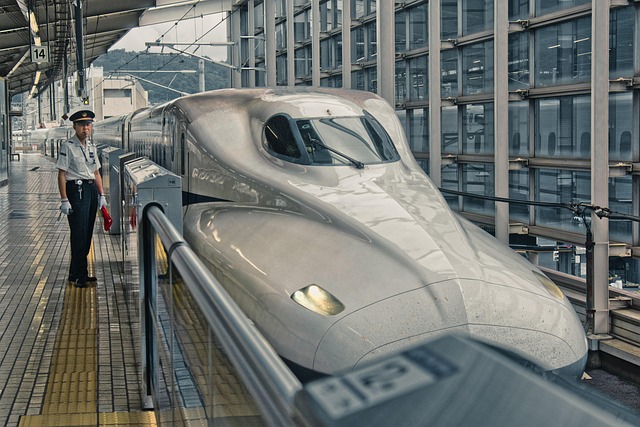
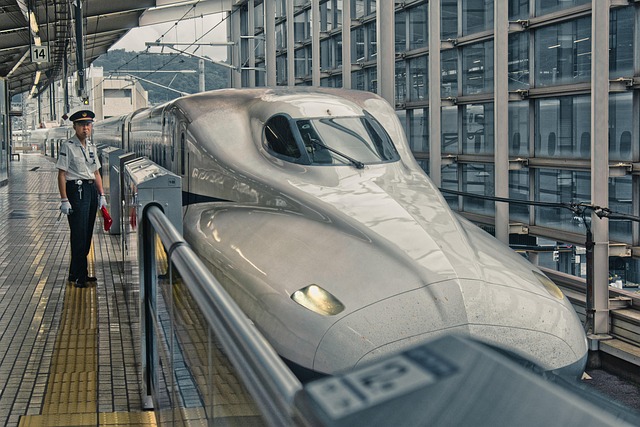
Another insider workaround involves the SmartEX app. While many rely on the physical Japan Rail Pass, booking individual Shinkansen tickets via the app allows for flexibility and, more importantly, the ability to reserve the “oversized baggage” seats that are now mandatory on major lines. This prevents the frantic scramble for luggage space that often plagues the Tokyo-to-Kyoto corridor.
For those seeking quietude in overcrowded Kyoto, the field-tested hack is to flip the clock. Most tourists arrive at Fushimi Inari or Arashiyama at 10:00 AM. By arriving at 6:30 AM, you not only secure the “clean” photos devoid of crowds, but you also witness the spiritual rituals of local priests and residents—the very soul of Japan that disappears once the tour buses arrive.
An Industry Insider’s Perspective: The Shift to “Slow Japan”
Having observed the evolution of Japan’s tourism landscape over the last decade, I’ve seen a distinct shift. We are moving away from the era of “ticking boxes” and toward an era of “rhythm.” The most successful 16-night itineraries I review are those that treat Japan not as a museum, but as a living organism.
Professional advice: Don’t just look for the famous; look for the “adjacent.” If a famous temple is crowded, walk two blocks in any direction. You will find a neighborhood shrine, a third-generation coffee roaster, or a craftsman’s workshop that offers a far more intimate connection to the culture than a crowded UNESCO site ever could. Your 16 nights should be a dialogue with the country, not a race against its railway timetable. Focus on the quality of your presence in a few regions rather than the quantity of regions visited. In Japan, the smallest details—the sound of a gravel path, the precise fold of a napkin—are often the most profound.
KEYWORDS: Japan travel itinerary, Shinkansen train, Kyoto temple
[3 english keywords describing the main topic, comma separated, suitable for stock photo search]
Photo: Pixabay / Pixabay License