AKIO NARIMATSU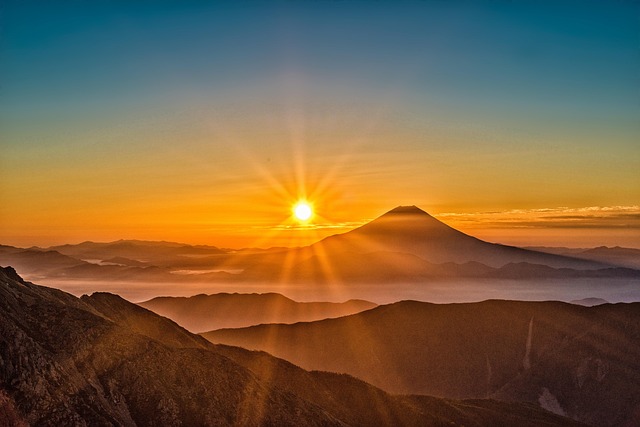
Pro Tips for a Sophisticated 16-Day Japanese Circuit
- Leverage the “Omiya Bypass”: When transitioning from northern points like Nikko to western destinations or Fuji, bypass the congestion of central Tokyo by transferring at Omiya Station. This can save up to 45 minutes of transit time and significant stress.
- Master the Luggage Forwarding (Takkyubin) Gap: On multi-city itineraries involving Ryokan stays in Kaga or Yamanaka, send your primary suitcases from Tokyo directly to your Kanazawa hotel. Carry only a small overnight bag for your hot spring retreat to navigate regional buses with ease.
- Secure the “Fuji Excursion” Window: For the direct line from Shinjuku to Kawaguchiko, tickets open exactly one month in advance. These seats sell out in minutes; if you miss them, the highway bus is often faster and more reliable than piecing together local train transfers.
- The 4:00 PM Rule for Onsen Towns: In traditional enclaves like Yamanaka Onsen, shops and local crafts ateliers close early. Aim to arrive by 3:00 PM to experience the town’s atmosphere before retreating for your kaiseki dinner.
The Geography Trap: What Guidebooks Forget to Mention
The most significant frustration travelers encounter is the “Paper Map Paradox.” On a map, Nikko and Mount Fuji appear to be neighbors in the greater Tokyo periphery. In reality, Japan’s transit infrastructure is a hub-and-spoke system radiating from the capital. Attempting to “rim” the city by traveling directly from Nikko to Kawaguchiko or Kaga Onsen often results in a logistical nightmare of five different local train transfers and wasted daylight.
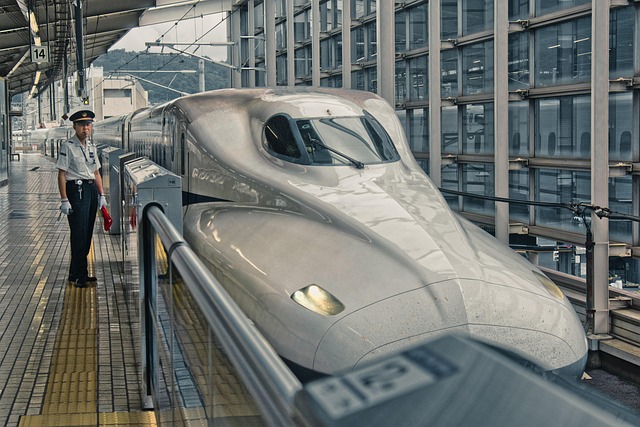
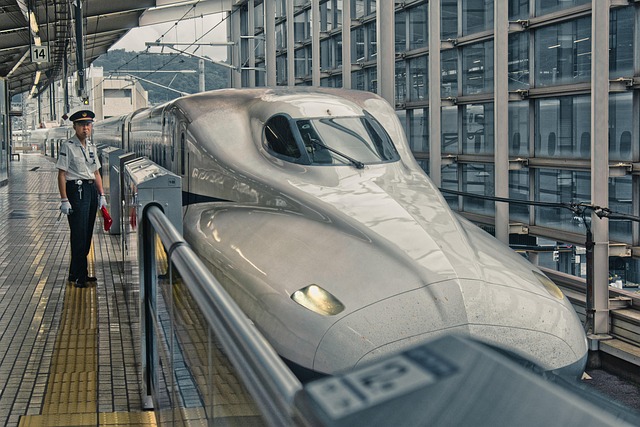
Guidebooks often suggest these locations as easy add-ons, but they rarely warn you about the cumulative “transit fatigue” that sets in by day ten. The physical toll of navigating massive stations like Shinjuku with luggage, combined with the rigid schedules of limited express trains, can turn a dream vacation into a series of stressful platform sprints.
Field-Tested Strategies for a Seamless Flow
The Strategic Kaga Onsen Pivot
While many tourists flock to the crowded streets of Kyoto, the sophisticated traveler looks toward the Hokuriku region. Specifically, Yamanaka Onsen in the Kaga region offers a profound sense of “Old Japan” without the suffocating crowds. The hidden hack here is utilizing the recent Hokuriku Shinkansen extension. You can now reach Kaga Onsen directly from Tokyo or Kanazawa with unprecedented speed, making it a viable luxury retreat rather than a remote detour.
Solving the Fuji-to-Kanazawa Connection
One of the most difficult legs to coordinate is moving from the Five Lakes region to the Japan Sea coast. The most efficient workaround is not the train, but a return to Tokyo via the High-Way Bus, followed by a seamless transition to the Shinkansen at Tokyo Station. Trying to force a cross-country mountain route via Otsuki and Nagano often results in more time on platforms than in the destination.
Optimizing the Tokyo “Sandwich”
Split your Tokyo stay into two distinct halves. Use the first few days for high-energy districts like Shibuya and Shinjuku, then utilize your final days in a different neighborhood like Ueno or Nihonbashi. This provides proximity to the Narita/Haneda express trains for your departure and allows you to experience the city’s dual nature—the neon-lit future and the merchant-class history.
The Insider’s Perspective: Why the “Westward Shift” Matters
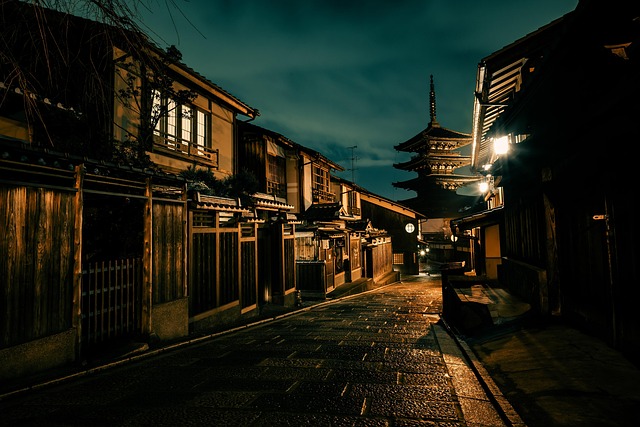
As an industry professional, I am seeing a definitive shift in high-end inbound tourism. The “Golden Route” (Tokyo-Kyoto-Osaka) is currently experiencing unprecedented over-tourism. For a 16-day itinerary, the most rewarding strategy is to focus on the Hokuriku Arch. By substituting the chaos of Kyoto for the refined samurai history of Kanazawa and the artisanal soul of the Kaga hot spring villages, travelers gain a more intimate connection with Japanese culture.
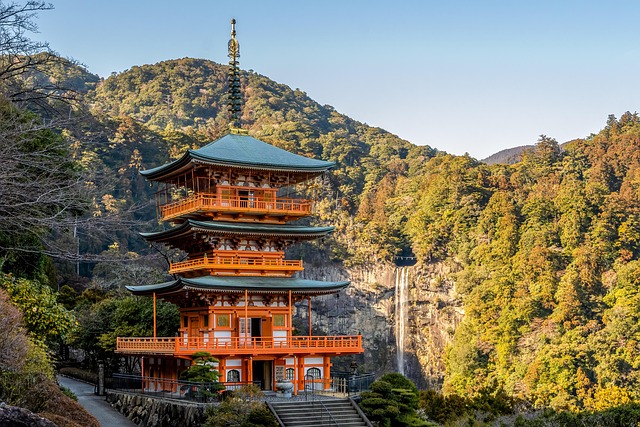
We are currently in a “sweet spot” for regions like Ishikawa and Fukui. The infrastructure is world-class, the luxury Ryokans are eager to welcome international guests, and the crowds remain manageable. The true art of Japanese travel lies in the balance between the iconic landmarks and the quiet, intentional moments found in a moss-covered temple in Nikko or a misty morning walk along the Kakusenkei Gorge. Efficiency isn’t just about speed; it’s about reclaiming your time to actually see what you traveled thousands of miles to discover.
KEYWORDS: Japan itinerary, Kanazawa travel, Mount Fuji transport
Photo: Pixabay / Pixabay License