AKIO NARIMATSU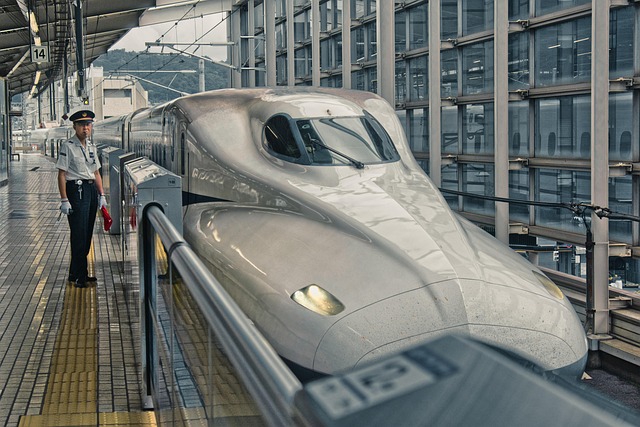
Pro-Tips for Navigating Japan’s Golden Route
- Master the “Takkyubin” Strategy: For groups of four or more, luggage forwarding is not a luxury—it is a necessity. Send your large suitcases between cities for roughly $15-$20 per bag to avoid the physical and social burden of navigating crowded trains with oversized gear.
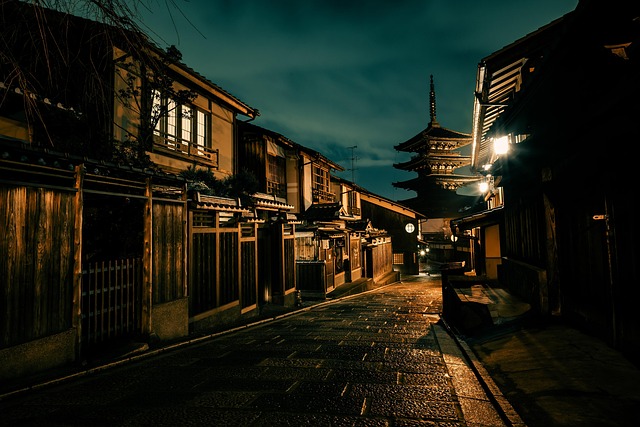
- The 7:00 AM Rule: To experience the serenity of Kyoto’s shrines or Tokyo’s Senso-ji, you must arrive by 7:00 AM. By 10:00 AM, the “Golden Route” density makes photography and quiet contemplation nearly impossible.
- Digital Suica Integration: Add a digital Suica or Pasmo card to your smartphone’s wallet before you land. Physical IC cards are frequently in short supply, and the ability to tap-and-go for transit and vending machines saves hours of collective group frustration.
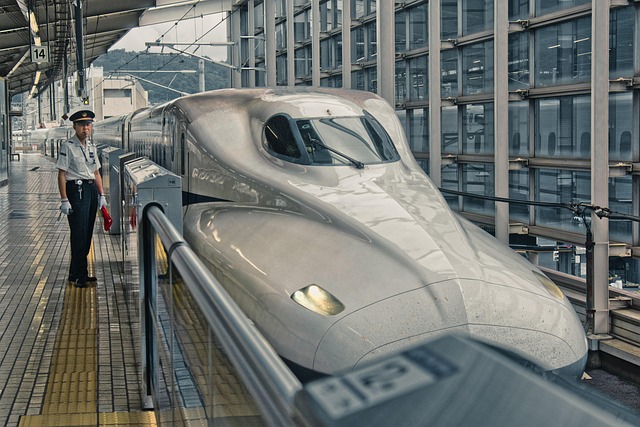
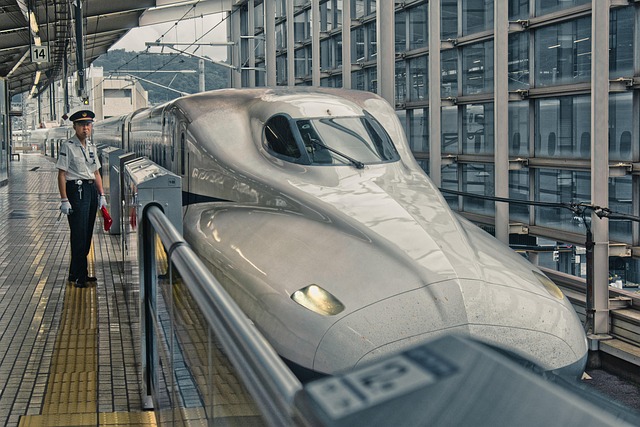
- Reserve “Oversized Luggage” Seats: If you must carry bags on the Shinkansen, you are legally required to book specific seats with luggage space. These sell out days in advance during peak periods like Golden Week.
The Invisible Friction: What Guidebooks Forget to Mention
Most travel guides paint a picture of Japan as a clockwork-precise utopia where every transition is seamless. While the infrastructure is world-class, they often omit the “group tax”—the logistical friction that multiplies exponentially when traveling with five or more adults. In the narrow corridors of Japanese urban life, a group of five is an anomaly. Most local izakayas and ramen shops are designed for solo diners or pairs. Standing on a street corner trying to decide on a lunch spot with a large group doesn’t just waste time; it creates a “logistical paralysis” that can sour the mood of an entire trip.
The real challenge isn’t finding a famous landmark; it’s the physical act of moving a group through Shinjuku Station or securing a dinner table without a three-week lead time. In Japan, the distance between “organized” and “chaotic” is measured in how well you’ve pre-planned your transitions.
Field-Tested Workarounds for High-Density Travel
Through extensive boots-on-the-ground experience, seasoned travelers have identified several “hacks” to bypass the common pitfalls of the Tokyo-Kyoto-Osaka circuit. One of the most effective is the “Hub and Spoke” accommodation model. Instead of changing hotels every two days, savvy groups anchor themselves in a central location—like Shin-Osaka—and use the Shinkansen as a high-speed commuter rail to visit Kyoto, Nara, and Hiroshima. This eliminates the “packing and unpacking” fatigue that plagues group dynamics.
When it comes to dining, the solution to the “no space for five” problem is department store basements (Depachika) and top-floor restaurants. While street-level shops are tiny, the upper floors of major department stores like Takashimaya or Isetan house high-quality restaurants designed for larger groups, often with organized queuing systems. For breakfast, skip the hotel buffet and utilize the “Konbini” (convenience store) culture. Grabbing high-quality coffee and onigiri allows your group to get ahead of the crowds while others are still waiting for a seat at a cafe.
The Insider Perspective: Embracing the Reservation Economy
From my vantage point in the industry, the biggest shift in Japanese tourism over the last two years is the move toward a “reservation economy.” Japan is no longer a destination where you can “wing it” and expect to see the highlights. Whether it is a themed cafe in Shibuya, a specific wagyu restaurant in Gion, or even entry to popular museums like TeamLab, the infrastructure now demands digital pre-booking weeks, or even months, in advance.
For those traveling during peak seasons like Golden Week, my advice is to lean into the logistics. By automating your transport and securing your evening meals ahead of time, you actually buy yourself the freedom to be spontaneous during the day. True luxury in modern Japan travel isn’t a five-star hotel; it’s the peace of mind that comes from knowing your group has a guaranteed place to sit at the end of a 20,000-step day.
KEYWORDS: japan bullet train, kyoto street, group travel
Photo: Pixabay / Pixabay License