AKIO NARIMATSU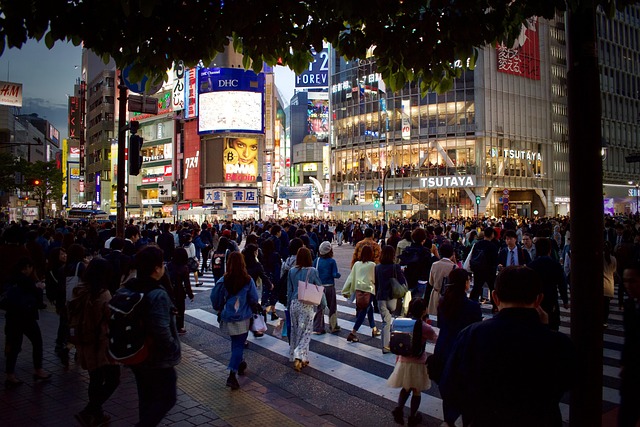
- Master the “Hub and Spoke” Strategy: Group your sightseeing by geographic clusters—such as Shinjuku, Shibuya, and Harajuku—to minimize transit time and maximize exploration. Avoid crossing the city more than once per day.
- Leverage Hands-Free Travel: Utilize takkyubin (luggage forwarding) services to move your bags between hotels. Navigating the multi-level labyrinths of Shinjuku or Tokyo Station with heavy suitcases is the quickest way to ruin a morning.
- The 7:00 AM Advantage: Visit high-traffic landmarks like Senso-ji or the Meiji Jingu forest at dawn. You will experience a version of Tokyo that feels like a private sanctuary before the crushing waves of tourism arrive at 10:00 AM.
- Digital Transit Readiness: Add a digital Suica or Pasmo card to your smartphone’s wallet before you land. Physical cards are often in short supply, and tapping your phone at the turnstile saves hours of cumulative time spent at ticket machines.
The Geometry of Exhaustion: What Guidebooks Forget
The most common mistake I see in modern Tokyo itineraries isn’t a lack of ambition; it’s a failure to account for “vertical distance.” Guidebooks present Tokyo as a two-dimensional map of colorful districts. In reality, Tokyo is a three-dimensional puzzle. A “five-minute walk” on a map often translates to twenty minutes of navigating three basement levels, two pedestrian overpasses, and a sea of commuters. Travelers frequently schedule four “major” neighborhoods in a single day, forgetting that the sheer sensory input and the physical demand of ten miles of pavement walking will lead to total burnout by day three.
The “real” frustration is the friction of the in-between. It’s the realization that getting from a subterranean subway platform to a rooftop observation deck in Shibuya can take as much energy as the sightseeing itself. When you over-optimize your schedule, you lose the ability to appreciate the very culture you flew thousands of miles to see.
Field-Tested Strategies for the Urban Explorer
To navigate the city like a seasoned local, you must look beyond the standard “Top 10” lists and focus on logistical flow. One of the most effective workarounds is the “Depachika Dining” strategy. Instead of wasting two hours of your evening standing in a queue for a hyped-up ramen shop, head to the basement level of major department stores like Isetan or Takashimaya. These “depachika” offer world-class culinary options, from wagyu bento boxes to artisanal sushi, allowing you to have a five-star picnic in a local park or back at your hotel without the “reservation fatigue” that plagues popular districts.
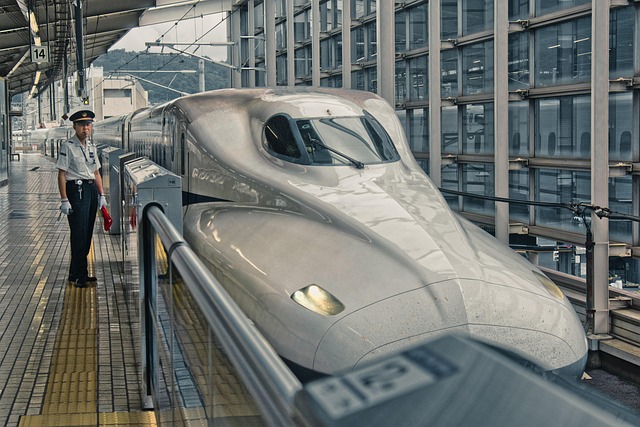
Furthermore, savvy travelers are now utilizing the Chuo Line Rapid as a secret weapon for east-west transit. While many tourists reflexively stick to the circular Yamanote Line, the Chuo Line cuts directly through the center of the city, shaving twenty minutes off the trip between Tokyo Station and Shinjuku. Another insider hack is the “Half-Day Buffer.” For every three days of intense sightseeing, schedule a four-hour block with no destination. This allows you to follow a random alleyway in Shimokitazawa or spend an extra hour in a stationery shop in Ginza—the moments that usually become the highlight of the trip.
The Insider’s View: The Art of the Unplanned Hour
From my perspective in the travel industry, the most successful trips to Japan are those that treat the itinerary as a compass rather than a cage. We are currently seeing a “hyper-tourism” trend where visitors feel pressured to “complete” Tokyo by checking off every Instagrammable landmark. This approach is antithetical to the Japanese concept of ma—the pure space or the gap between things.
True luxury in Japan travel isn’t a front-of-the-line pass at a theme park; it’s the ability to sit in a neighborhood kissaten (traditional coffee shop) for forty minutes and watch the world go by. My professional advice? Delete one major attraction from your list every day. By doing less, you actually experience more. You allow the city to reveal itself to you in the quiet moments between the landmarks, which is where the true magic of Tokyo resides.
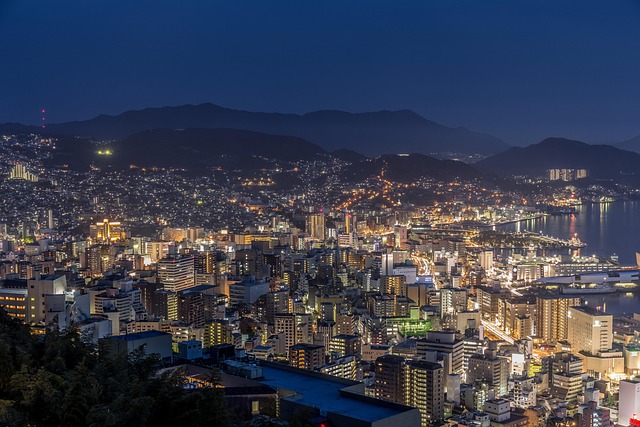
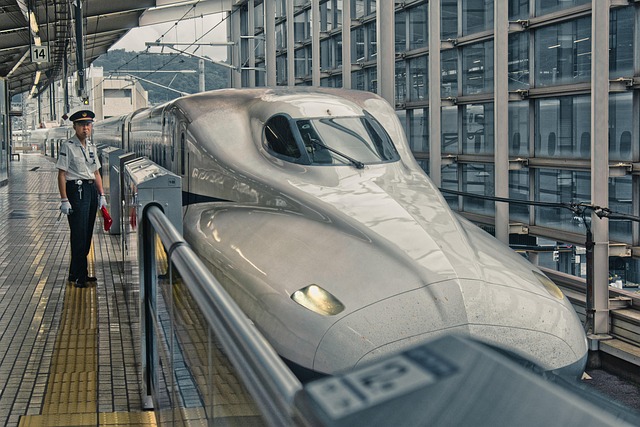
KEYWORDS: tokyo city skyline, shibuya crossing, japanese train station
Photo: Pixabay / Pixabay License