AKIO NARIMATSU
Mastering the Tokyo-Kyoto Pivot: Expert Strategies for Your Next Japanese Odyssey
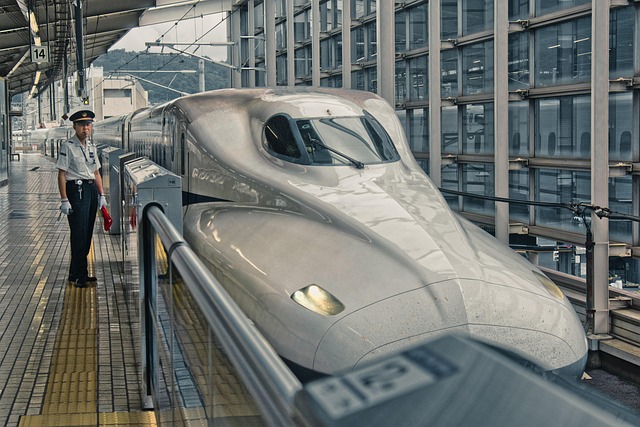
- Leverage Hands-Free Travel: Use Takkyubin (luggage forwarding) between Tokyo and Kyoto. For less than $20 per bag, you can skip the struggle of navigating Shinkansen stations with heavy suitcases and have your gear waiting at your next hotel.
- The “Reverse-Commute” Strategy: When visiting popular hubs like Arashiyama in Kyoto or Tsukiji in Tokyo, aim to arrive by 7:30 AM. You will experience the serenity these places are famous for before the tour buses arrive at 10:00 AM.
- Digital Transit Mastery: Download a digital Suica or Pasmo card to your smartphone wallet before you land. It eliminates the need to stand in line at ticket machines and works seamlessly across almost all trains, buses, and even vending machines nationwide.
- The 15-Minute Rule: In major stations like Shinjuku or Tokyo Station, always budget 15 minutes more than your navigation app suggests. These are not just stations; they are subterranean cities where transfers often involve significant walking distances.
The Efficiency Trap: The “Real” Problem with Modern Itineraries
The most significant frustration travelers face isn’t a lack of information—it’s the “efficiency trap” created by glossy guidebooks and curated social media feeds. Most resources treat Tokyo and Kyoto as checklists of iconic landmarks, suggesting you can easily “do” Harajuku, Shibuya, and Shinjuku in a single afternoon. In reality, the sheer density of sensory input and the physical scale of these districts lead to what I call “temple fatigue” and “neon burnout.”
Guidebooks rarely mention the psychological toll of navigating the world’s most sophisticated transit system while surrounded by millions of people. Travelers often find themselves halfway through their trip, standing in a world-class destination, yet feeling too exhausted to actually enjoy it. The frustration stems from an itinerary that looks perfect on paper but ignores the human need for transition time and sensory recovery.
Field-Tested Solutions for the Modern Explorer
To truly conquer the Tokyo-Kyoto route, you must master the art of the “Sidetrip Pivot.” Instead of cramming every waking hour with urban exploration, look for coastal and forest relief. For those based in Tokyo, Kamakura serves as a vital pressure valve. It offers the historical weight of Kyoto but with a Pacific breeze and a much more manageable walking pace. It is the perfect mid-trip reset before heading to the Kansai region.
When you reach Kyoto, the challenge is often the “Nara Dilemma.” Many travelers try to squeeze Nara into a transit day, which is a recipe for stress. The most successful approach is to treat Nara as a morning-only immersion. Arrive at the Todai-ji Temple the moment it opens, engage with the park’s famous deer, and be back in Kyoto by 1:00 PM. This leaves your afternoon open for a spontaneous wander through the Gion district or a quiet tea ceremony, rather than racing against a train schedule.
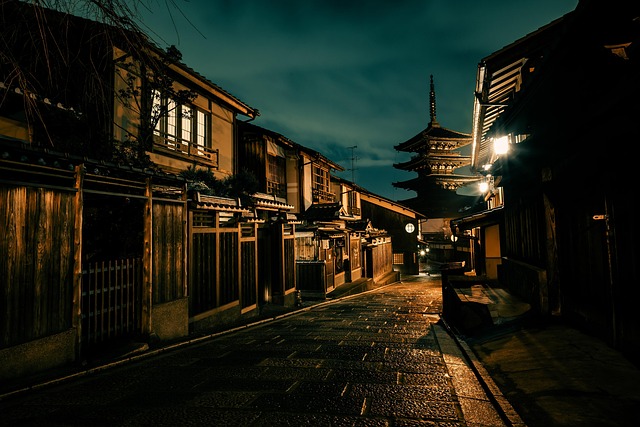
Another insider hack for the Kyoto leg is to flip your perspective on Fushimi Inari. While the “Thousand Torii Gates” are spectacular, the lower levels are perpetually congested. If you have the stamina, hike to the halfway point (Yotsutsuji intersection). The crowds thin out by 70%, and you gain a stunning panoramic view of the city that most tourists never see.
An Insider’s Perspective: The Value of “White Space”
From my years within the Japanese tourism industry, I have observed that the most satisfied travelers are those who leave 20% of their itinerary blank. Japan is a country that rewards serendipity. It is the unscripted moment—finding a six-seat ramen shop in a Shinjuku alleyway or stumbling upon a local neighborhood festival in Kyoto—that becomes the highlight of the trip, not the landmark you waited two hours to photograph.
Strategic pacing is your greatest asset. If you spend a day in the high-octane environment of Akihabara, balance it with a morning in the quiet, residential streets of Yanaka Ginza. Think of your itinerary as a musical composition; it needs the “rests” between the notes to make the melody beautiful. Respect the distance, embrace the silence of the smaller shrines, and remember that in Japan, the journey between the sights is often where the real magic happens.