AKIO NARIMATSU
- Master the “Takkyubin” Strategy: Do not drag large suitcases through Tokyo’s labyrinthine subway stations. Use luggage forwarding services (Yamato Transport) to ship your bags between cities for approximately $15–$20. It transforms a stressful travel day into a hands-free sightseeing opportunity.
- The Digital IC Shortcut: Avoid the physical ticket machine queues. Add a Suica or Pasmo card directly to your smartphone’s digital wallet before you arrive. This allows for seamless “tap-and-go” entry on almost all transit lines and works for vending machine purchases.
- The “Rule of One”: Limit yourself to one major “must-see” landmark per day. Japan’s true magic is found in the incidental discoveries—the tiny standing bar, the neighborhood shrine, or the hidden stationery shop—which are often sacrificed when chasing a rigid itinerary.
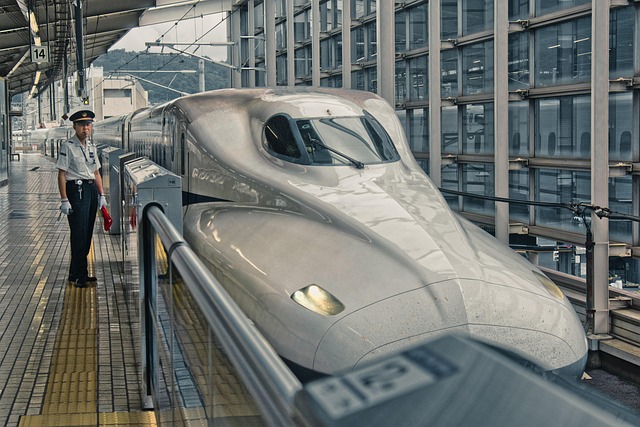
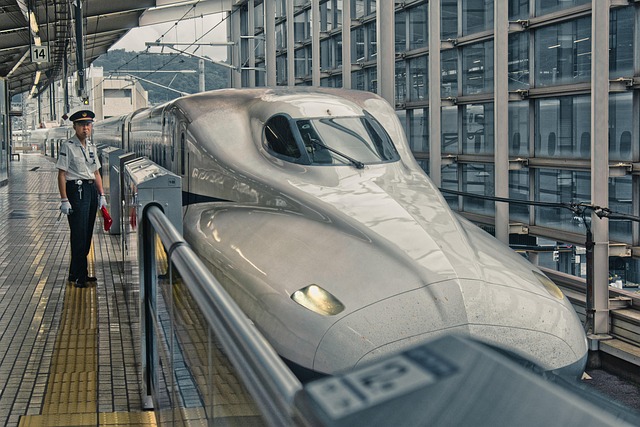
- SmartEX for Shinkansen: Download the SmartEX app to book Bullet Train seats in advance. If traveling from Tokyo to Kyoto, request “Seat E” on the right side of the train for a chance to see Mount Fuji from your window.
The Invisible Exhaustion: The Problem Guidebooks Won’t Tell You
Most travelers approach their first trip to Japan with a “checklist” mentality. They see Tokyo, Kyoto, and Osaka as three distinct boxes to be ticked. However, the genuine frustration that guidebooks often gloss over is the cognitive load of navigation. Even with a perfect itinerary, the sheer density of Japan’s urban landscape means that simply getting from Point A to Point B requires a high level of constant alertness. Between deciphering multi-level train stations and managing the “choice paralysis” of ten thousand dining options, travelers often find themselves physically present at the Kinkaku-ji Golden Pavilion but mentally depleted by the journey there.
The result is “Temple Fatigue”—a state where the most beautiful shrines in the world begin to look identical because the traveler is too exhausted to appreciate the nuance. The mistake isn’t visiting the famous spots; it’s failing to account for the “energy tax” that Japan’s efficiency demands from the uninitiated.
Field-Tested Workarounds for a Seamless Journey
To bypass the common pitfalls of a two-week circuit, seasoned travelers utilize a “Hub-and-Spoke” model. Instead of moving hotels every two days, savvy visitors are increasingly using Osaka as a strategic base for the Kansai region. Because Osaka is centrally located and generally more affordable than Kyoto, you can reach Nara, Kobe, and Kyoto all within 30 to 50 minutes. This eliminates the “packing and unpacking” friction that kills the momentum of a mid-trip transition.
Another insider hack involves the timing of the “Big Three” day trips. While Nara is famous for its bowing deer, the secret to a meaningful visit is venturing past the Todai-ji Temple. Most tourists stop at the Great Buddha; if you continue hiking up toward Nigatsu-do or the forest paths of Kasuga Taisha, the crowds disappear instantly. Similarly, for those visiting Hiroshima and Miyajima, the mistake is trying to do both in a rushed day trip from Osaka. The workaround? Take the earliest possible Shinkansen to Hiroshima, head straight to Miyajima to beat the tide and the crowds, and save the Peace Memorial Park for the late afternoon when the atmosphere is more reflective and the tour buses have departed.
Your Expert Perspective: The Value of the “Empty Day”
In my years of consulting for luxury inbound tourism, the most common feedback I receive from clients isn’t about a specific monument—it’s about the day they did “nothing.” I strongly advise building at least two “unscripted days” into a 14-day itinerary. In Tokyo, this might mean picking a neighborhood like Shimokitazawa or Yanaka and simply walking without a map. These areas offer a “human-scale” Japan that the neon lights of Shinjuku cannot provide.
The mark of a sophisticated traveler in Japan is not how many shrines they saw, but how well they balanced the high-energy urban sprawl with the quiet, intentional moments that define Japanese culture. Don’t just visit Japan; allow yourself the time to actually be in Japan. The itinerary should be a compass, not a cage.