AKIO NARIMATSU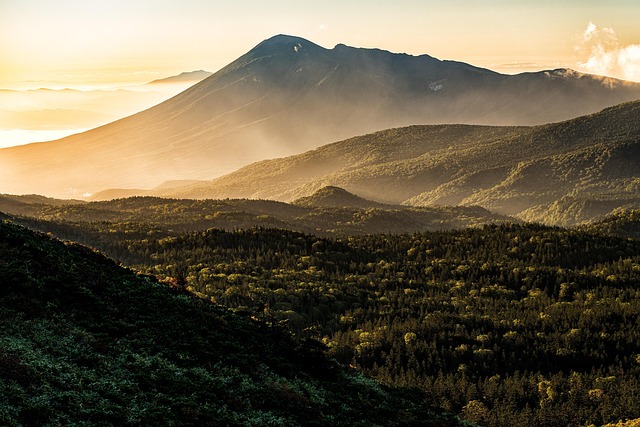
- Secure an International Driving Permit (IDP) early: You cannot rent or operate a vehicle in Japan without a valid IDP (based on the 1949 Geneva Convention) alongside your domestic license. Check your local automobile association weeks before departure.
- Request an ETC Card at the rental counter: Japan’s expressways are efficient but expensive. An Electronic Toll Collection (ETC) card allows you to pass through toll booths without stopping, with the final balance settled when you return the car.
- Budget for “Drop-off Fees”: While one-way rentals from Aomori to Nagoya offer incredible freedom, “drop-off fees” (surcharge for returning a car to a different prefecture) can range from $200 to over $600. Factor this into your logistics early.
- Download the “Michi-no-Eki” Map: These roadside stations are far superior to standard rest stops, offering gourmet local produce, clean facilities, and often hot springs (onsen) or stunning viewpoints unique to the region.
The Invisible Barrier: The “Rail Pass” Tunnel Vision
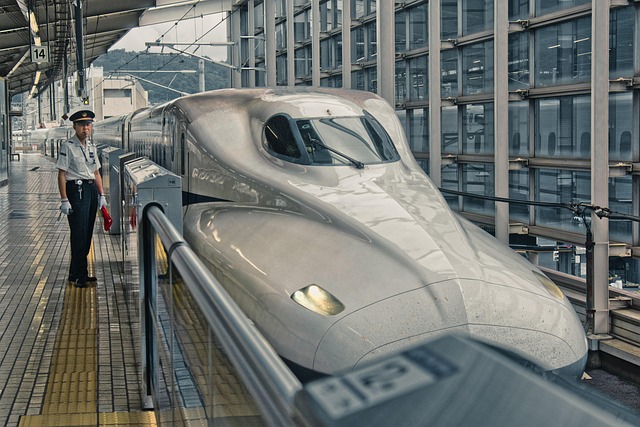
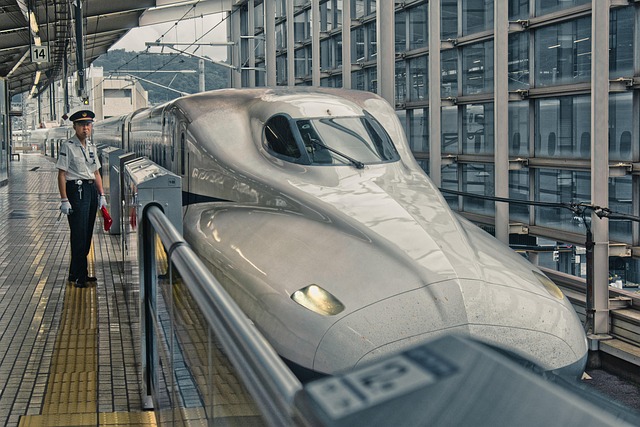
The most significant frustration travelers face in Japan isn’t the language barrier or the navigation; it is the “Golden Route” fatigue caused by an over-reliance on the railway system. Guidebooks champion the Shinkansen as the ultimate way to see the country, but this creates a curated, sterilized experience of Japan. When you travel exclusively by rail, you are funneled into the same crowded stations and high-traffic tourist hubs as everyone else.
The genuine frustration arises when you realize that the most evocative landscapes—the misty caldera lakes of Towada, the remote samurai districts of Kakunodate, or the hidden alpine villages of Gifu—are often hours away from the nearest train station by localized, infrequent buses. Travelers often find themselves “trapped” by the efficiency of the tracks, missing the texture of the Japanese countryside that exists between the stops.
Field-Tested Strategies for the Japanese Open Road
To truly master a cross-regional road trip through Tohoku and Chubu, seasoned travelers utilize a few specific workarounds that bypass the standard logistical hurdles. First is the strategic use of Regional Expressway Passes. While standard tolls can be exorbitant, many rental companies offer fixed-price passes for specific regions (like the Tohoku Expressway Pass). If you are crossing multiple regions, calculate your route to see if a combination of regional passes outweighs the standard ETC distance charges.
Another insider hack involves the “Forwarding Service” (Takkyubin) for luggage. Driving a compact car is essential for navigating the narrow, winding roads of the Japanese Alps or the coastal routes of Aomori, but these cars have limited trunk space. Send your primary suitcases ahead to your final destination hotel and travel with only a small overnight bag in the car. This allows you to rent a smaller, more fuel-efficient vehicle that is easier to park in traditional ryokan lots.
Finally, prioritize navigation apps over the car’s built-in GPS. While most rentals include English GPS, they often rely on “MapCodes” or phone numbers for input. Using a modern smartphone mount and a reliable data sim allows for real-time traffic updates—crucial for avoiding mountain pass closures or heavy holiday congestion around Nagoya and Kanto.
The Insider Perspective: The Last Frontier of Authentic Japan
From an industry standpoint, the shift toward self-drive tourism in Japan represents the final frontier of authentic travel. For decades, the “inbound” experience was limited by the reach of the JR rail lines. By taking the wheel, you are participating in a movement that supports local economies in aging rural prefectures that the Shinkansen simply bypasses.
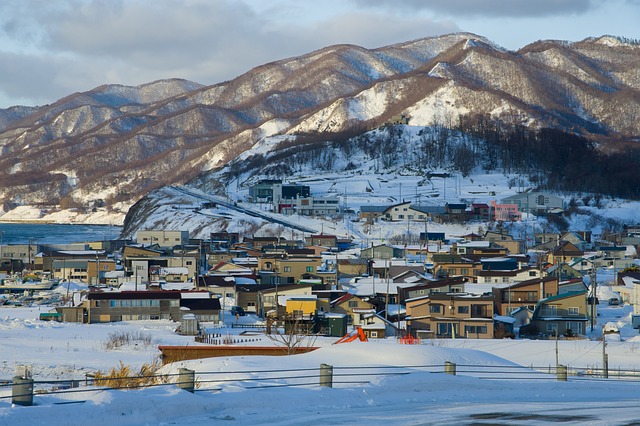
The transition from the rugged, wild coastline of northern Tohoku down into the refined, mountainous heart of Chubu offers a narrative arc that no train journey can replicate. You see the architecture change from heavy-roofed snow country houses to the thatched gassho-zukuri styles of Shirakawa-go. My advice to the serious traveler: do not fear the driving. Japan’s roads are impeccably maintained, and the drivers are among the most polite in the world. The “real” Japan isn’t found at the end of a platform; it’s found at a quiet roadside stop overlooking a cedar forest where you are the only visitor for miles.
KEYWORDS: japan road trip, rental car, tohoku scenery
Photo: Pixabay / Pixabay License