AKIO NARIMATSU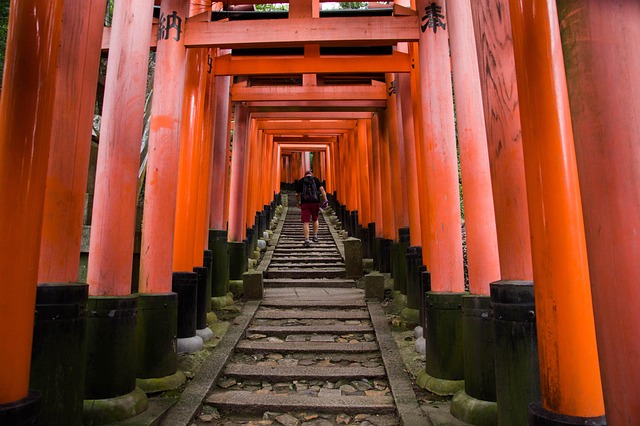
Essential Logistics for Your Kyoto Expedition
- The 7:00 AM Rule: To experience the serenity of Fushimi Inari or the Arashiyama Bamboo Grove without the wall-to-wall crowds, you must arrive before 7:30 AM. By 9:00 AM, these sites transition from spiritual landmarks to high-traffic corridors.
- Prioritize the Keihan and Hankyu Lines: Avoid the city buses whenever possible. Kyoto’s bus network is notoriously over-capacity and subject to heavy traffic; the private rail lines offer a much faster, more reliable north-south and east-west transit experience.
- Strategic Luggage Forwarding: Use takyubin services to send your heavy bags from your Tokyo or Osaka hotel directly to your Kyoto accommodation. Navigating Kyoto’s narrow sidewalks and crowded stations with large suitcases is the primary cause of traveler fatigue.
- The “One District Per Day” Strategy: Group your sightseeing by geographic clusters (e.g., Northern Higashiyama, Arashiyama, or Downtown). Crossing the city multiple times in one day is a logistical error that wastes hours of valuable daylight.
The Invisible Barrier: The “Kyoto Fatigue” No One Warns You About
Standard guidebooks present Kyoto as a neatly organized grid of historical treasures, suggesting that checking off the “Big Three”—Kinkaku-ji, Kiyomizu-dera, and Fushimi Inari—is a simple matter of navigation. The reality is far more taxing. The genuine frustration travelers face isn’t finding these locations; it is the physical and sensory overload caused by the “Kyoto Gridlock.”
The city’s infrastructure was never designed for the modern influx of international tourism. You will likely walk upwards of 20,000 steps a day on hard pavement and gravel temple paths. When you combine this physical exertion with the mental tax of navigating a bus system that often sees three full vehicles pass you by before you can board, the “dream trip” can quickly devolve into a test of endurance. Guidebooks fail to mention that by day three, most visitors suffer from “temple burnout,” where the 10th magnificent Zen garden begins to look indistinguishable from the first.
Field-Tested Workarounds: Navigating the Cultural Capital Like a Local
To bypass the common pitfalls of a first-time itinerary, seasoned travelers utilize a “reverse-flow” methodology. Instead of following the crowd to the Golden Pavilion at midday, consider visiting the lesser-known, equally stunning sub-temples of Daitoku-ji. Here, you can experience authentic Zen architecture in near-silence, often just a few blocks away from the packed tourist hubs.
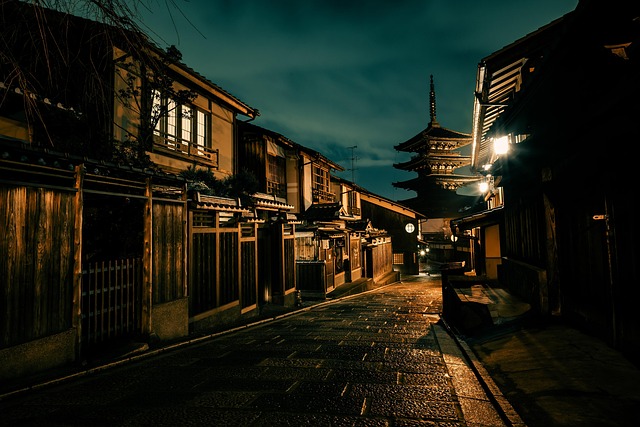
The “Evening Pivot” is another essential hack. Many of Kyoto’s most atmospheric neighborhoods, like Gion and Pontocho, are best experienced after sunset when the day-trippers have departed. Rather than trying to see Gion during the day when it is crowded and the Geiko are not present, save your energy for a late-night stroll. Furthermore, utilize the JR Nara Line for a quick 5-minute hop from Kyoto Station to Inari; it is significantly more efficient than any bus or taxi during peak hours.
For those visiting Arashiyama, don’t just stop at the Bamboo Grove. The real magic lies further north in Adashino Nenbutsu-ji. The walk is longer, but the crowds thin out exponentially with every hundred meters you move away from the main bridge, rewarding you with the quiet, contemplative Kyoto you likely envisioned when booking your flight.
The Insider Perspective: Quality Over Quantitative Completion
As someone who has observed the evolution of Japan’s tourism landscape for decades, my advice is to resist the urge to “conquer” Kyoto. The most frequent mistake I see is the “Checklist Mentality”—the belief that a trip is only successful if you see every major landmark. In Kyoto, this approach is the enemy of appreciation.
The true soul of the city is found in the “ma,” or the space between the landmarks. It is in the quiet cup of matcha at a small neighborhood tea house, the intricate woodwork of a machiya townhouse, and the seasonal shifts in the landscape. I always tell my clients: subtract one major site from your daily plan. That reclaimed time allows you to actually process what you are seeing. If you spend your entire trip looking at a map or a bus schedule, you will miss the very elegance you came to find. Kyoto is not a museum to be viewed; it is an atmosphere to be felt.
KEYWORDS: kyoto temple, fushimi inari, arashiyama bamboo grove
Photo: Pixabay / Pixabay License