AKIO NARIMATSU
Essential Strategies for Your Next Japan Adventure
- Master the Art of Luggage Forwarding: Known locally as Takkyubin, this service allows you to send your heavy suitcases from hotel to hotel for a nominal fee. Navigating the labyrinthine corridors of Shinjuku or Tokyo Station with large bags is a logistical nightmare that can be entirely avoided.
- Adopt the “Open-Jaw” Flight Strategy: To maximize your time, avoid the common mistake of flying in and out of Tokyo. Instead, book your arrival into Tokyo and your departure from Osaka (Kansai International). This saves you a full day of backtracking and the cost of a return Shinkansen ticket.
- Digitalize Your Transit: Don’t wait in line for physical IC cards. Add a Suica or Pasmo card to your smartphone’s digital wallet before you arrive. This allows for seamless taps at ticket gates and instant top-ups, while also serving as a payment method for vending machines and convenience stores.
- The “Rule of Three” for Scheduling: Limit your itinerary to no more than three major landmarks or neighborhoods per day. Japan’s sensory density means that “over-scheduling” leads to physical exhaustion before you even reach your evening meal.
The Invisible Burden: The “Efficiency Trap” of the Modern Itinerary
There is a recurring frustration that guidebooks rarely acknowledge: the mental and physical toll of “check-box tourism.” Travelers often approach Japan with a hyper-optimized schedule, attempting to squeeze Tokyo, Kyoto, Osaka, and perhaps even a secondary international destination like Germany into a single two-week window. The result is what I call the Efficiency Trap. You spend so much time calculating train transfers and checking into hotels that the actual “travel” happens only in the gaps between logistics.
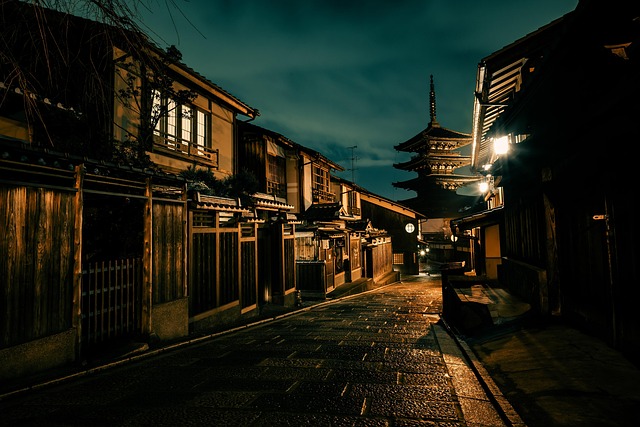
The genuine frustration stems from the realization that Japan is not a country you “finish.” When your itinerary is too lean, you lose the ability to follow a sudden interest—a quiet alleyway in Gion, a hidden standing bar in Shimbashi, or an unplanned festival. The stress of staying on schedule often turns a dream vacation into a series of timed appointments.
Field-Tested Hacks for the Ambitious Traveler
To balance high ambitions with actual enjoyment, seasoned travelers use the “Hub and Spoke” model. Instead of changing hotels every two days, pick a central “hub”—like Osaka—and use it as a base for day trips to Kyoto, Nara, and Kobe. This eliminates the “packing and unpacking” fatigue and provides a consistent home base.
Furthermore, if you are planning a multi-country trip that spans continents, the secret is the “Buffer Day”. Most travelers underestimate the impact of crossing multiple time zones. By scheduling a “zero-activity” day immediately following a long-haul flight, you reset your internal clock. In Japan, the best way to spend this is at a local Sento (public bath) or Onsen. The thermal waters do more for jet lag than caffeine ever will, and it provides a soft landing into the local culture.
The Insider’s Perspective: Quality Over Latitude
From my years within the industry, I’ve observed that the most successful trips are those that prioritize depth over distance. It is tempting to use Japan’s world-class rail system to see as many prefectures as possible, but the true essence of Japanese hospitality, or Omotenashi, is experienced when you slow down long enough to be recognized by the staff at a local coffee shop or the chef at a neighborhood izakaya.
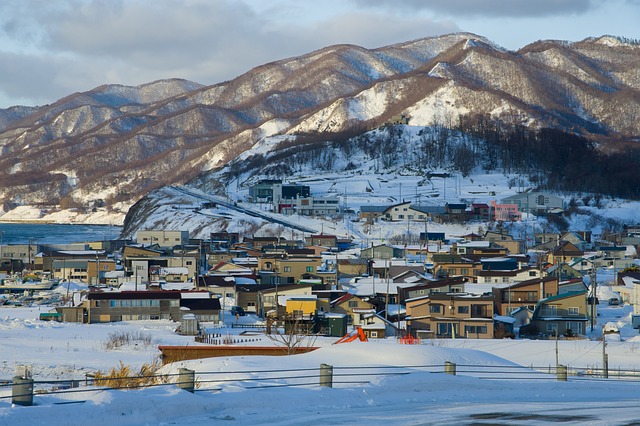
If you are contemplating a trip that combines Japan with another distant region, ask yourself if you are seeking a collection of stamps or a collection of memories. My recommendation is always to focus on the “Golden Route” (Tokyo-Hakone-Kyoto-Osaka) for your first ten days, then choose one “wildcard” destination. Whether that’s a domestic flight to the wilds of Hokkaido or an international connection to Europe, ensure you have built in the logistical breathing room to actually breathe.
KEYWORDS: shinkansen train, kyoto temple, luggage forwarding service
Photo: Pixabay / Pixabay License