AKIO NARIMATSU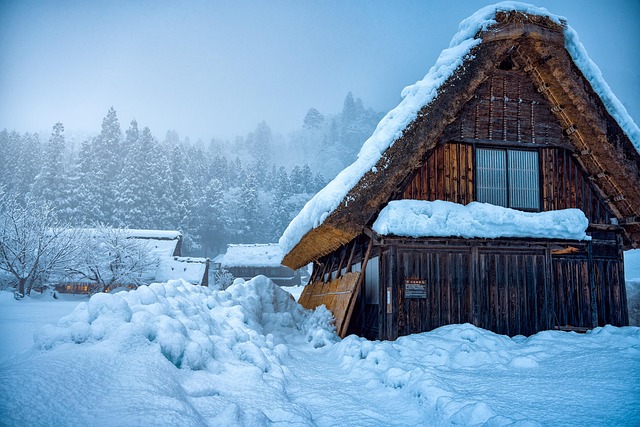
Essential Logistics for the Three-Star Road
- Master the Reservation Window: Seats on the Nohi and Hokutetsu buses between Kanazawa and Takayama open exactly one month in advance. For peak seasons, these vanish within minutes of the online portal opening.
- Deploy the “Takuhaibin” Strategy: Do not attempt to bring large suitcases on the mountain buses. Send your luggage via a delivery service from your Kanazawa hotel directly to your Takayama accommodation for roughly 2,000 yen; your back and your fellow passengers will thank you.
- The Gokayama Pivot: If Shirakawa-go is fully booked or too crowded, schedule a stop at the Suganuma or Ainokura villages in Gokayama. They offer the same UNESCO-recognized thatched roofs with a fraction of the foot traffic.
- Validate Your Pass: If using the Takayama-Hokuriku Area Tourist Pass, remember that while it covers the cost, it does not guarantee a seat. You must still physically or digitally reserve your spot on the “reserved-only” segments.
The “Real” Problem: The Infrastructure Illusion
Standard guidebooks present the journey from Kanazawa to Takayama through the Shogawa River Valley as a romantic, breezy hop between fairy-tale villages. In reality, this route is one of the most logistically rigid corridors in Japan. The “real” frustration travelers face is the lack of spontaneity. Because this region relies on a limited fleet of mountain buses with strict capacity limits, the “slow travel” dream often turns into a high-stakes timing exercise. Missing a single connection in a village like Ogimachi doesn’t just mean a thirty-minute wait—it can mean being stranded in a rural mountainous area with no taxi service and no available lodging for fifty miles.
Field-Tested Workarounds for the Alpine Route
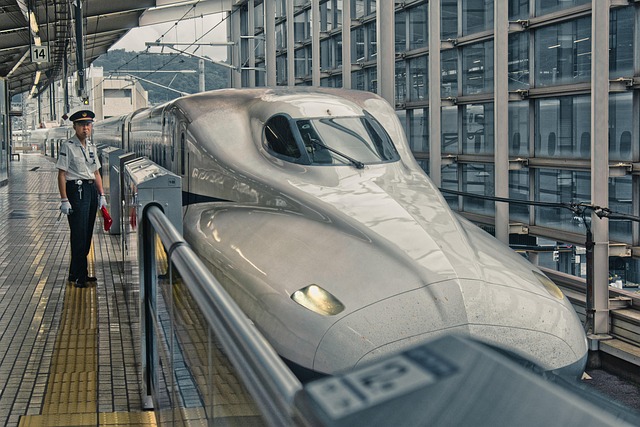
To navigate this corridor like a professional, you must understand the distinction between the highway express buses and the local “World Heritage” heritage circuits. While most tourists fight for the direct Kanazawa-to-Shirakawa-go express, savvy travelers often take the local Shinkansen to Shin-Takaoka and catch the Kaetsuno World Heritage Bus. This route is often less crowded and services the more remote Gokayama villages that the express buses bypass entirely.
Another insider hack involves the “non-reserved” bus segments. While the Kanazawa-Shirakawa-go leg is strictly by reservation, many buses operating between Shirakawa-go and Takayama are first-come, first-served. If you find the express buses fully booked, look for the local lines that stop at every small hamlet along the way. It takes longer, but it ensures you aren’t trapped if the primary tourist transport is at capacity.
The Insider Perspective: Beyond the Thatched Roof
As a veteran of the Japanese travel industry, I view the Kanazawa-Takayama axis as a case study in the tension between heritage preservation and mass tourism. Shirakawa-go (Ogimachi) has become a victim of its own beauty; during the midday rush, the “authentic” atmosphere is often eclipsed by the sheer volume of day-trippers.
My professional recommendation: Shift your focus to the “hidden” villages. While Ogimachi is the largest, the villages of Ainokura and Suganuma in the Gokayama region offer a far more profound connection to the Gassho-zukuri lifestyle. These hamlets are smaller, quieter, and provide a sense of isolation that the main tourist hub has lost. To truly experience the magic of the Japanese Alps, aim to be the last person leaving a village at dusk or the first one arriving at dawn. The transition of light over the thatched roofs in the morning mist is the experience you are paying for—not the gift shops in the village center.
KEYWORDS: shirakawa-go, gassho-zukuri, kanazawa takayama bus
Photo: Pixabay / Pixabay License