AKIO NARIMATSU
Essential Insights for Your First Journey to Japan
- Digitalize Your Transit: Skip the physical ticket lines by adding a digital Suica or Pasmo card to your smartphone’s wallet. This allows for seamless “tap-and-go” entry at nearly every station and convenience store nationwide.
- Leverage Hands-Free Travel: Use Takkyubin (luggage forwarding services) to send your heavy suitcases from one hotel to the next. For a modest fee, you can explore intermediate stops unburdened while your bags await you at your next check-in.
- Master the “Depachika”: For gourmet dining on a budget, visit the basement levels of major department stores (like Isetan or Mitsukoshi) an hour before closing. You’ll find world-class bento boxes and wagyu sets at significant discounts.
- Prioritize Connectivity: Secure a high-speed pocket Wi-Fi or an eSIM before you land. Real-time navigation via Google Maps is non-negotiable for navigating the intricate, multi-level layouts of Tokyo’s major transit hubs.
The Invisible Challenge: The Efficiency Trap
Most guidebooks present Japan as a clockwork marvel where every train arrives on second and every street is a postcard. While true, they fail to mention the “Efficiency Trap.” The sheer density of information and the physical toll of walking ten to fifteen miles a day often leads to a specific type of traveler burnout. The real problem isn’t finding something to do; it’s the overwhelming pressure to optimize every minute in a country where even a simple walk to a convenience store can feel like a high-stakes cultural experience. Travelers often return home exhausted because they treated their itinerary like a corporate spreadsheet rather than a vacation.
Field-Tested Workarounds for the Modern Explorer
To navigate Japan like a seasoned regular, you must adopt “strategic spontaneity.” One of the most effective hacks involves the Shinkansen “Rest Stop” technique. Instead of viewing long-distance train rides as lost time, treat them as your primary recovery period. Buy an Ekiben (station lunch box), utilize the silent cabins, and force yourself to recharge. This prevents the mid-trip collapse common among first-timers.
Another insider secret is the Business Hotel Pivot. While luxury ryokans are iconic, savvy travelers spend the bulk of their stay in premium business chains like Dormy Inn or Mitsui Garden. These hotels offer immaculate cleanliness, central locations, and often include high-end public baths (onsen) and local breakfast specialties for a fraction of the cost of international brands. This frees up your budget for “splurge” experiences like multi-course Kaiseki dinners or private tours.
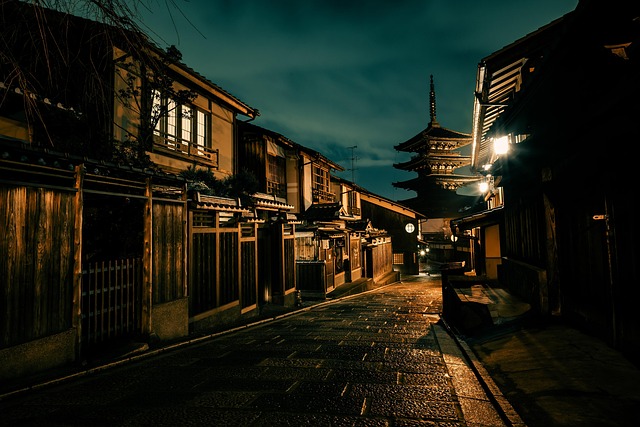
Finally, utilize the “Back-Street Rule” for dining. In crowded hubs like Shinjuku or Kyoto’s Gion district, any restaurant on a main thoroughfare with an English menu is likely a tourist trap. Step two blocks into the residential alleys. Look for small noren curtains and a lack of flashy signage; these are the neighborhood gems where the quality-to-price ratio is highest.
The Insider’s Perspective: Beyond the Golden Route
As someone who has navigated the evolution of Japanese tourism for over a decade, I’ve observed that the most successful trips aren’t those that hit every temple in Kyoto. The true magic of Japan lies in the “frictionless” nature of its society. My advice is to stop chasing the “must-see” lists and start observing the “how.”
The beauty of Japan is found in the silence of a suburban shrine at 7:00 AM, the precision of a barista in a tiny third-wave coffee shop, and the unexpected kindness of a local helping you find a hidden elevator in a subway station. Don’t just visit Japan; allow yourself to be absorbed by its rhythm. Your goal should not be to see everything, but to experience the profound sense of order and aesthetic care that permeates every facet of Japanese life. When you stop rushing, the real Japan finally reveals itself.
KEYWORDS: shibuya crossing, kyoto temple, shinkansen train
Photo: Pixabay / Pixabay License