AKIO NARIMATSU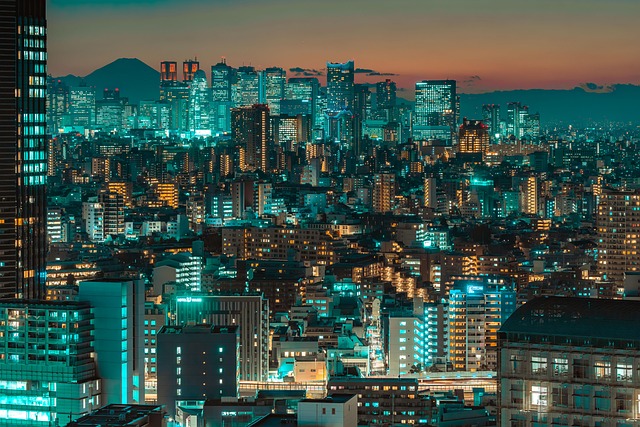
Essential Tactics for Your Next Japan Journey
- Leverage the “Takkyubin” System: Never drag heavy suitcases through crowded train stations. Use luggage forwarding services (Yamato Transport) to ship your bags between hotels for about $15–$20. It is the single most effective way to preserve your energy.
- Digitize Your Transit Pass: Skip the ticket machines. Add a Suica or Pasmo card directly to your smartphone’s digital wallet. You can tap in and out of nearly every train and bus in the country and top up your balance using your phone’s stored credit card.
- The “8:00 AM Rule” for Icons: If you want to see Fushimi Inari or the Arashiyama Bamboo Grove without the crushing crowds, you must arrive by 7:30 AM. By 9:30 AM, the “magic” is replaced by a sea of selfie sticks.
- Reserve “Bucket List” Dining Early: Popular themed cafes and high-end omakase spots now require bookings weeks—sometimes months—in advance. If a restaurant is trending on social media, don’t expect to walk in.
The “Perfect Itinerary” Trap: What Guidebooks Won’t Tell You
The most significant frustration modern travelers face isn’t a lack of information; it is the curation of exhaustion. Standard travel guides and influencer maps encourage a “Golden Route” sprint that looks beautiful on a spreadsheet but feels like a forced march in reality. Travelers often plan their days with 15-minute buffers between Tokyo, Hakone, and Kyoto, failing to account for the physical toll of walking 25,000 steps a day on concrete.
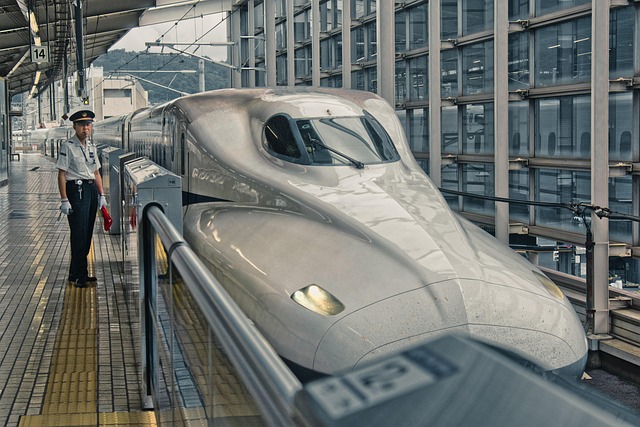
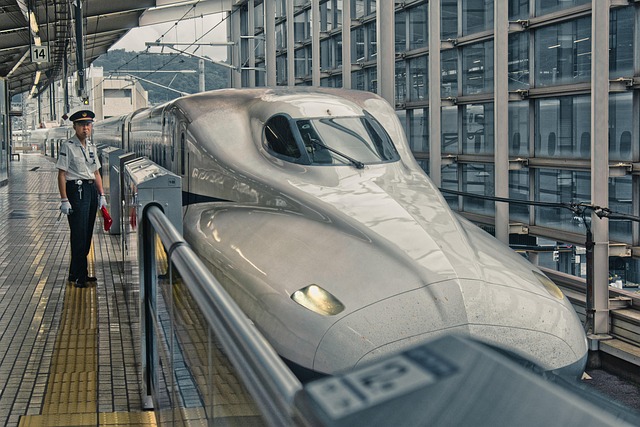
The genuine problem is the geographic disconnect. Many visitors treat Japan like a theme park where attractions are adjacent, when in reality, traversing Shinjuku Station alone can take twenty minutes of intense navigation. This leads to “itinerary burnout” by day four, where the beauty of a 400-year-old temple is overshadowed by aching feet and the stress of catching the next Shinkansen.
Field-Tested Hacks for a Seamless Experience
Through extensive field testing and on-the-ground adjustments, seasoned travelers have identified several workarounds to reclaim the joy of discovery:
The Neighborhood Clustering Strategy
Instead of bouncing between East and West Tokyo in a single day, dedicate an entire 24-hour block to a specific hub. If you are in Ueno, stay in the Northeast. If you are in Shibuya, stick to the Harajuku and Aoyama axis. This saves hours of transit time and allows you to find the “hidden” coffee shops and stationery stores that exist in the gaps between major landmarks.
The “Konbini” Gourmet Pivot
You don’t need a sit-down reservation for every meal. Japan’s convenience stores (Seven-Eleven, Lawson, FamilyMart) offer high-quality, seasonal meals that are perfect for a “pantry picnic” in a local park. This frees up three hours of your day that would otherwise be spent waiting in line for a hyped-up ramen shop.
Evening Temple Scouting
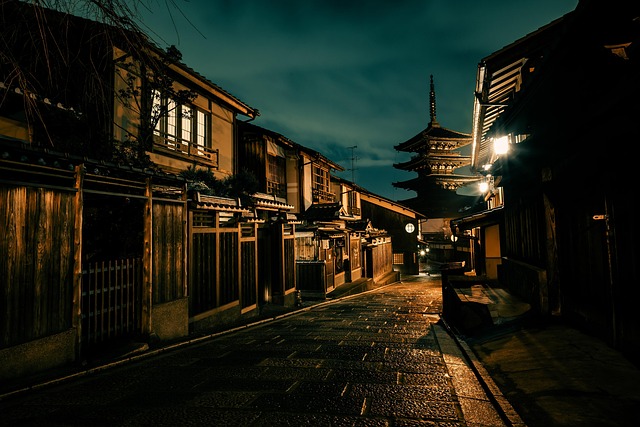
While most temple interiors close at 4:30 PM or 5:00 PM, many temple grounds in Kyoto remain open or feature stunning evening light-ups. Visiting these sites at dusk provides a completely different, meditative atmosphere that is entirely absent during the chaotic midday hours.
An Insider’s Perspective: Moving Beyond the Checklist
As a professional in the Japan travel industry, I see thousands of itineraries that prioritize quantity over resonance. The secret to a transformative Japan trip isn’t seeing five cities in ten days; it’s about finding the “third space”—those moments of stillness between the sights.
True luxury in Japan travel today is time. It is the ability to sit in a moss garden for an hour without checking your watch or wandering into a jazz kissa (jazz cafe) in a back alley because you aren’t rushing to a 7:00 PM reservation. My advice is always the same: Take your current itinerary and cut it by 20%. The space you create will be filled by the spontaneous encounters and quiet observations that actually define the Japanese experience. Japan is a country of layers; you cannot see them if you are running past them.
KEYWORDS: Kyoto temple garden, luggage forwarding service, Tokyo city skyline
Photo: Pixabay / Pixabay License