AKIO NARIMATSU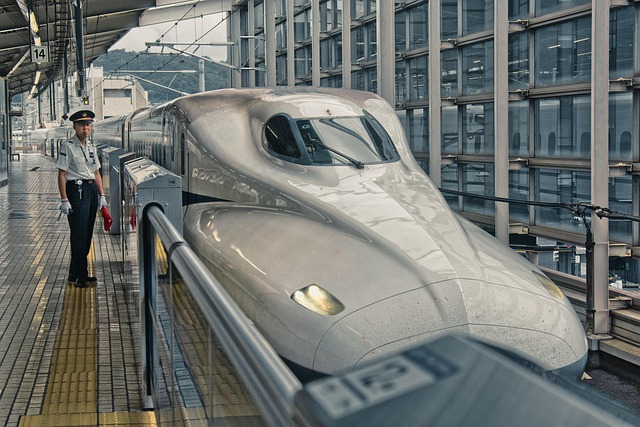
Pro Tips for a Seamless Japanese Expedition
- Embrace the “Takkyubin” Revolution: Never haul heavy suitcases through bustling train stations. Use luggage forwarding services to send your bags from one hotel to the next for roughly $15-$20. It transforms a stressful travel day into a hands-free stroll.
- Digitize Your Transit: Skip the kiosks and add a Suica or Pasmo card directly to your smartphone’s digital wallet. This allows for instant top-ups and seamless “tap-and-go” entry at almost every turnstile and vending machine in the country.
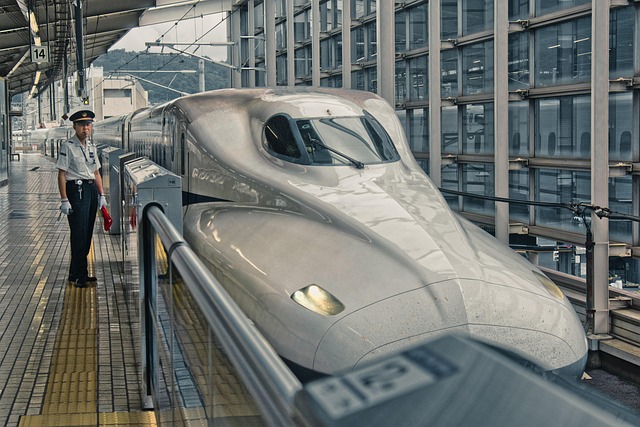
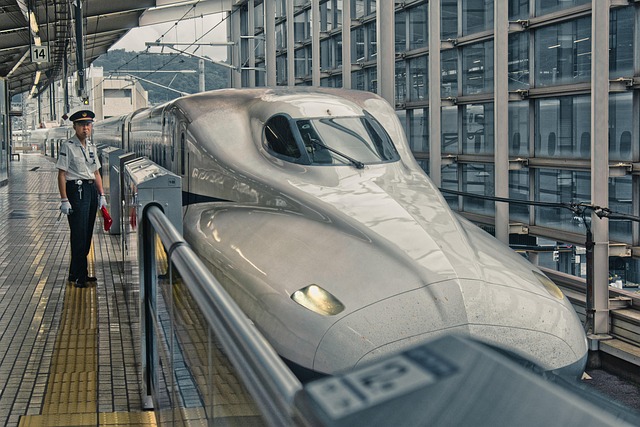
- Prioritize the “Green Car” for Long Hauls: When traveling the Golden Route (Tokyo-Kyoto-Osaka), the small surcharge for a Green Car (First Class) Shinkansen seat provides essential quiet and extra legroom that pays dividends in energy conservation.
- The “Konbini” Strategy: Treat 7-Eleven, Lawson, and FamilyMart as your logistical hubs. They offer high-quality, fresh meals, international ATMs that actually work, and basic travel essentials 24/7.
The Invisible Barrier: The “Navigation Fatigue” Guidebooks Ignore
While every guidebook praises Japan’s punctuality and cleanliness, they often gloss over the psychological toll of “The Last Mile.” Japan’s major transport hubs, like Shinjuku or Umeda Station, are not just stations—they are subterranean cities with hundreds of exits. Even with a map, the sheer density of stimuli and the complexity of multi-level junctions can lead to “navigation fatigue.” Travelers often find themselves exhausted not from the sightseeing itself, but from the constant mental processing required to simply move from Point A to Point B. This mental load can turn a “Zen” holiday into a series of stressful navigational puzzles if you aren’t prepared for the scale of urban Japan.
Field-Tested Workarounds for the Modern Explorer
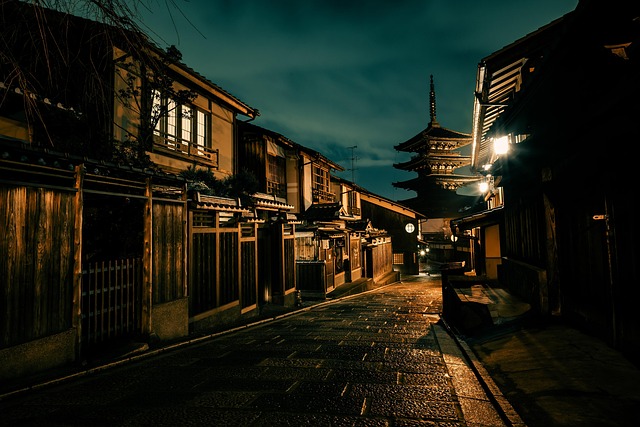
To bypass the common pitfalls of the first-time visitor, experienced travelers utilize a few specific “hacks” that keep the itinerary on track. First, ignore the impulse to see every temple in Kyoto. Instead, choose two major sites for the morning and spend your afternoon in the Arashiyama bamboo groves or the Nishiki Market to experience the city’s living culture rather than its museum pieces.
In Tokyo, the secret to avoiding the crowds at major landmarks is the “Reverse Commute” strategy. Visit popular districts like Asakusa at sunrise or Shibuya late at night. For those heading to Hakone, the “Hakone Free Pass” is essential, but the real insider move is to stay overnight in a Ryokan (traditional inn). Many tourists try to do Hakone as a day trip from Tokyo, missing the tranquility that descends once the “Loop” buses stop running and the onsen baths become private sanctuaries.
When it comes to dining, the “Depachika”—the basement food halls of major department stores like Isetan or Takashimaya—is your best friend. These halls offer Michelin-quality bento boxes and gourmet delicacies at a fraction of restaurant prices, perfect for a high-end picnic at Shinjuku Gyoen or a quiet dinner in your hotel room after a long day of walking.
An Insider’s Perspective: Depth Over Breadth
As a veteran of the Japanese tourism industry, I have watched countless travelers make the mistake of treating the Golden Route like a checklist. Japan is a country that rewards those who slow down. The magic isn’t found in the 10th temple you visit in Kyoto; it’s found in the quiet side-street jazz bar in Osaka’s Dotonbori, or the unexpected conversation with a local artisan in a Tokyo back-alley.
My final piece of advice for the elite traveler: build “buffer days” into your schedule. The most memorable moments in Japan are often the unscripted ones—the festivals you stumble upon, the seasonal limited-edition snacks you find in a rural train station, or the sudden view of Mt. Fuji from a Shinkansen window. By reducing the number of “must-see” stops, you open the door to the authentic, spontaneous Japan that exists just beyond the reach of the standard tourist brochures.
KEYWORDS: shinkansen train, kyoto temple, tokyo street night
Photo: Pixabay / Pixabay License