AKIO NARIMATSU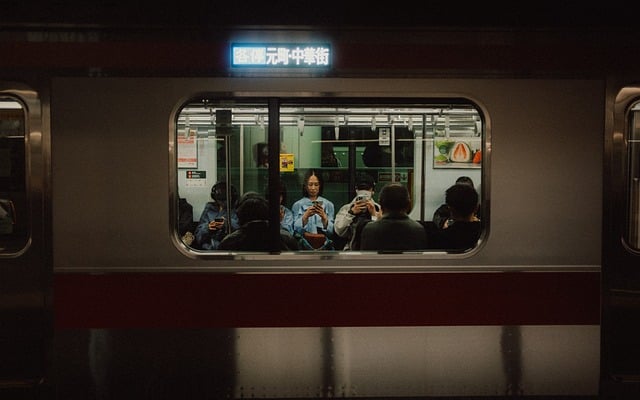
Essential Tips for Your Next Japanese Expedition
- Leverage the Takkyubin Advantage: Don’t struggle with suitcases on crowded trains. Use a luggage forwarding service to send your bags directly from your Tokyo hotel to your next destination for a nominal fee, allowing you to travel light and stress-free.
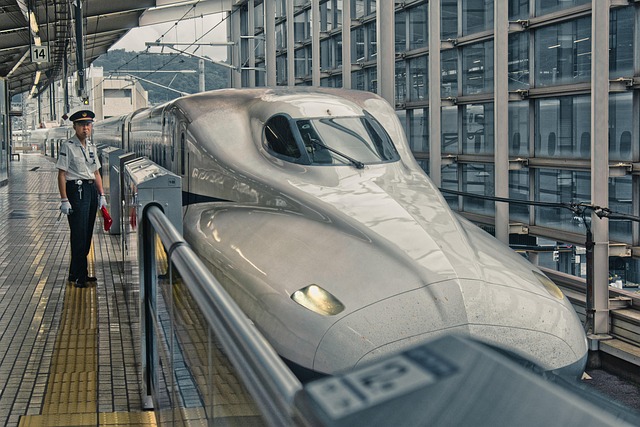
- Master the “Odoriko” Express: For a seamless transition from the metropolis to the coast, book the Limited Express Odoriko train. It offers stunning window views of Sagami Bay that the high-speed Shinkansen simply bypasses.
- Digital Connectivity is Non-Negotiable: Secure a physical Suica or Pasmo card (or the digital version in your mobile wallet) immediately upon arrival. It is the universal key for trains, buses, and even vending machines across the country.
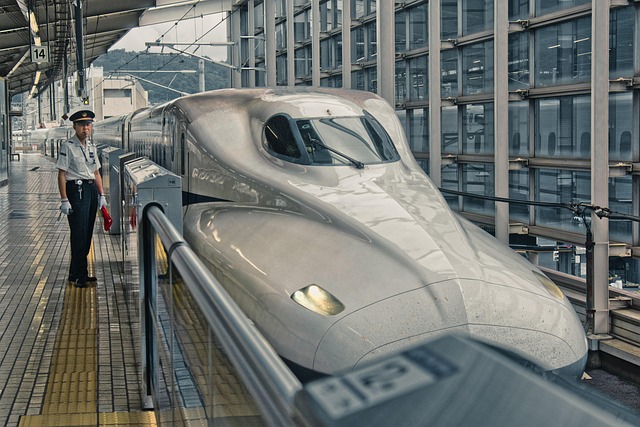
- Embrace the “Slower” Rail Lines: While the Bullet Train is a marvel, the local Izukyu Line provides an intimate look at rural coastal life that defines the authentic Japanese experience.
The “Golden Route” Trap: Why Your Guidebook is Failing You
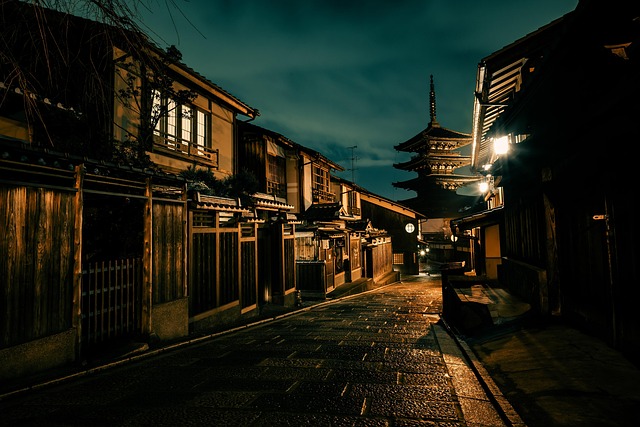
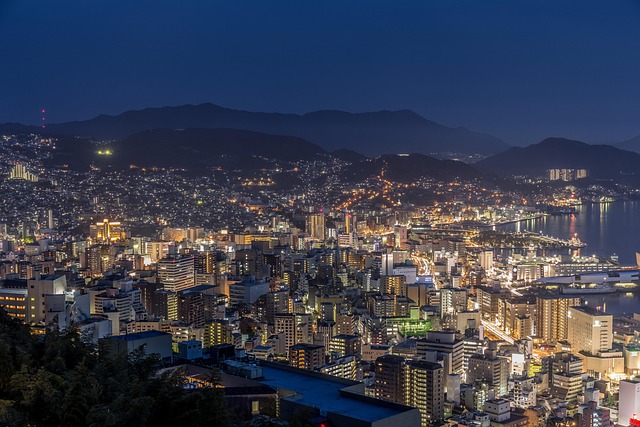
The most common frustration I hear from first-time visitors to Japan is a sense of “itinerary fatigue.” Traditional guidebooks relentlessly push the “Golden Route”—Tokyo, Kyoto, and Osaka—which often results in a vacation that feels more like a crowded commute between tourist checkpoints than a genuine cultural immersion. Travelers find themselves trapped in a bubble of over-tourism, seeing the same shrines and neon signs they’ve seen a thousand times on social media, yet feeling entirely disconnected from the real Japan. The genuine frustration lies in the realization that you’ve traveled halfway across the world only to stand in a queue of other tourists, missing the soul of the country that exists just an hour outside the city limits.
Field-Tested Solutions: Finding Serenity South of the Capital
To break the cycle of predictable tourism, seasoned travelers are pivoting toward the Izu Peninsula, specifically the historic port town of Shimoda. This is a field-tested workaround for those who want the energy of Tokyo balanced with the rugged, natural beauty of the Pacific coast. Instead of fighting the crowds in Kyoto, head to Perry Road in Shimoda. This picturesque street, lined with stone-paved paths and willow trees, offers a poignant historical atmosphere without the stifling density of the Gion district.
For those seeking a coastal escape, the white sands of Shirahama Beach provide a Mediterranean-esque clarity that most travelers don’t even realize exists in Japan. The secret to navigating this route is the strategic use of “hub-and-spoke” planning: base yourself in a coastal ryokan for three nights, using the local rail lines to explore hidden sea caves and mountain shrines, before returning to the neon-lit convenience of Shinjuku or Shibuya to close out the trip. This contrast provides the emotional “reset” that a purely urban itinerary lacks.
The Insider’s Perspective: The Value of the Interstitial Space
In my years of consulting for high-end inbound tourism, I have learned that the most profound Japanese experiences occur in the “interstitial spaces”—the gaps between the major landmarks. While Tokyo provides the spectacular sensory overload we all crave, it is the quiet morning in a coastal town like Shimoda that allows those experiences to marinate. The true luxury of modern travel in Japan isn’t staying at the most expensive hotel in Roppongi; it’s the ability to find a quiet corner of a 19th-century port town where you are the only visitor.
The modern traveler needs to understand that Japan’s infrastructure is so robust that “going off the beaten path” does not mean sacrificing comfort. You can enjoy a world-class meal in a Tokyo skyscraper on a Tuesday and be hiking a secluded coastal trail by Wednesday morning, all via a single train ticket. The key is balance. Seven days is enough time to see “everything” if your definition of everything includes both the roar of the city and the whisper of the ocean.
KEYWORDS: shimoda coast, japan railway, rural japan travel
Photo: Pixabay / Pixabay License