AKIO NARIMATSU
Essential Strategies for Your Next Japanese Expedition
- Leverage the “Post-Golden Week” Window: Schedule your arrival for the second week of May. You will bypass the massive domestic travel rush of Golden Week while enjoying the lush greenery and mild temperatures before the humidity of the rainy season arrives in June.
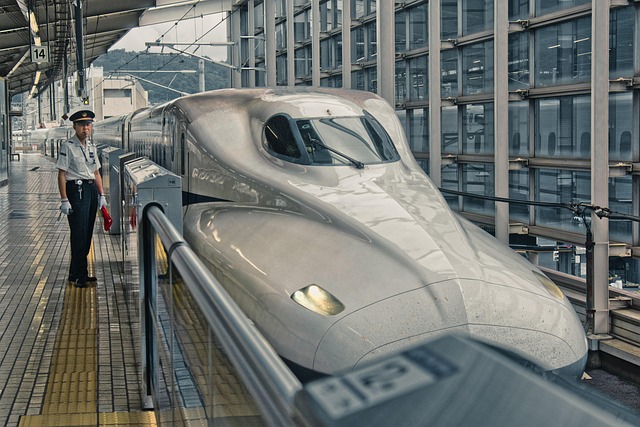
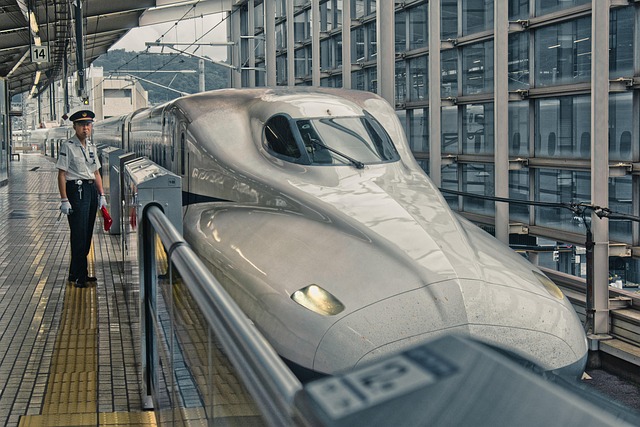
- Master the Art of Luggage Forwarding: Use Takkyubin services to send your heavy suitcases from Fukuoka or Kumamoto directly to your hotel in Osaka or Tokyo. Navigating Shinkansen platforms with large bags is a logistical nightmare that seasoned travelers avoid.
- Prioritize Kyushu’s Regional Rail: If your itinerary includes the southern islands, look beyond the national JR Pass. Regional Kyushu passes often offer better value and include access to unique “D&S” (Design and Story) trains that are attractions in their own right.
- The IC Card Continuity: Ensure your Suica or Pasmo is loaded. Whether you are taking a local bus in the rural outskirts of Kumamoto or the subway in Tokyo, the seamless integration of these cards remains the single best way to reduce “transaction friction.”
The Invisible Wall: Why Guidebooks Fail the Modern Traveler
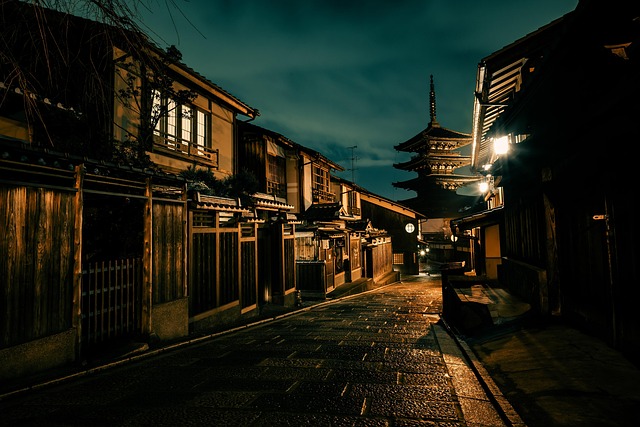
Most travelers arrive in Japan with a meticulously curated list of shrines and skyscrapers, only to be met with a frustration that no guidebook dares to mention: the “Golden Route” fatigue. While Tokyo, Kyoto, and Osaka are magnificent, the sheer density of international tourism in these hubs has created a “tourist bubble” that can feel sterile and disconnected from the authentic Japanese rhythm. Travelers often find themselves moving from one crowded landmark to another, experiencing a version of Japan that feels more like a theme park than a sovereign nation. The genuine frustration lies in the realization that you are seeing the country, but you aren’t necessarily feeling it.
Field-Tested Workarounds: The Kyushu-to-Kanto Pivot
The solution to this exhaustion is a strategic “South-to-North” itinerary that begins in Kyushu. By starting in Fukuoka or Kumamoto, you recalibrate your expectations. In Kumamoto, the recovery and restoration of its iconic castle offer a profound look at Japanese resilience that puts the polished sights of Tokyo into perspective.
In the southern districts, the food culture is visceral. Instead of hunting for Michelin stars in Ginza, veteran travelers head to the Yatai (open-air food stalls) of Nakasu in Fukuoka. This is where the “workaround” for the tourist bubble exists: communal dining. Sharing a bowl of Tonkotsu ramen or Mizutaki (chicken hot pot) shoulder-to-shoulder with local salarymen provides the cultural immersion that high-end hotels lack. Additionally, navigating the transit systems in Kyushu is far more forgiving than the labyrinthine depths of Shinjuku Station, allowing you to build your “transit confidence” before tackling the capital.
The “Mid-Trip Reset” in Osaka
To bridge the gap between the rural charm of the south and the neon intensity of the north, use Osaka as a tactical base. Osaka serves as a culinary and logistical pressure valve. While Tokyo is about precision, Osaka is about kuidaore—eating until you drop. A well-timed stop here allows you to decompress and enjoy a more boisterous, approachable side of Japanese urban life before the final push into the Kanto region.
An Insider’s Perspective: The Value of the Reverse Itinerary
From an industry standpoint, the most common mistake is ending a trip in a secondary city. I always recommend the reverse flow: start in the more “challenging” or remote areas like Kyushu and conclude in Tokyo. Why? Because Tokyo is designed for the exit. The infrastructure for getting to Narita or Haneda, the proximity of last-minute souvenir shopping in Department stores, and the sheer volume of English-speaking support make it the perfect place to wind down.
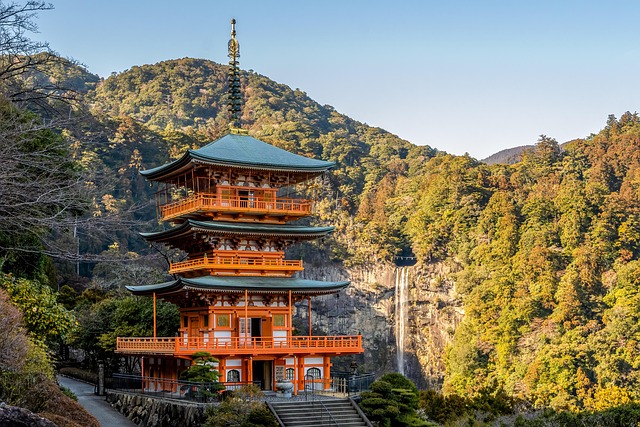
Furthermore, visiting Kyushu in May allows you to witness the Shinryoku (new green) in the mountains of central Kyushu. The landscape is vibrant and the air is crisp, providing a sensory memory that stays with you even as you transition into the concrete canyons of Tokyo. By the time you reach the Shibuya Crossing, you aren’t just another tourist lost in the crowd; you are a traveler who has seen the foundational heart of the country, making the modern spectacle of the capital feel all the more earned.
KEYWORDS: kyushu travel, fukuoka yatai, japan spring scenery
Photo: Pixabay / Pixabay License