AKIO NARIMATSU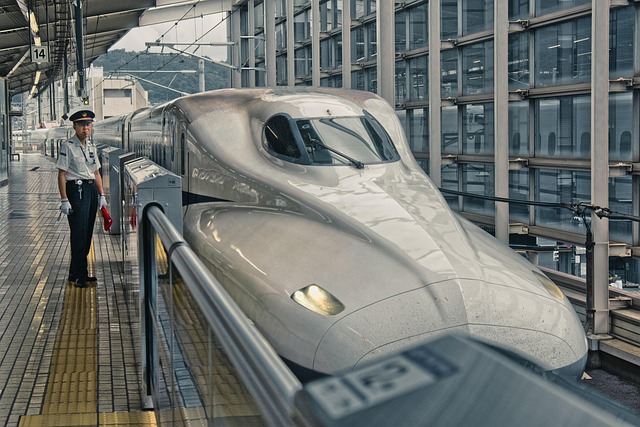
- Master the Art of Hands-Free Travel: Use “Takkyubin” (luggage forwarding) services to send your heavy suitcases from Tokyo directly to Kyoto. This allows you to navigate the mountainous Nagano region with only a small backpack, saving your energy for the steep hike to the snow monkey park.
- The “First Train” Strategy for Jigokudani: To photograph the famous Japanese macaques without a sea of tourists in your frame, stay overnight in Nagano or Shibu Onsen and take the earliest possible transport to the park. The tour buses from Tokyo typically arrive after 10:30 AM.
- The Suica/IC Card Digital Pivot: Even if you are using a Japan Rail Pass for long-distance travel, always have a digital Suica or Pasmo on your phone for local buses in Kyoto and Nagano. Many local lines and private buses in the Alps do not accept the JR Pass, and fumbling with coins is the quickest way to hold up a boarding queue.
- Strategic Dining in Osaka: When visiting Dotonbori, avoid the restaurants with the longest lines on the main strip. The best “Kappo” style dining and authentic okonomiyaki are usually found two or three alleys back from the river, where the locals actually eat.
The Invisible Friction of the “Golden Route”
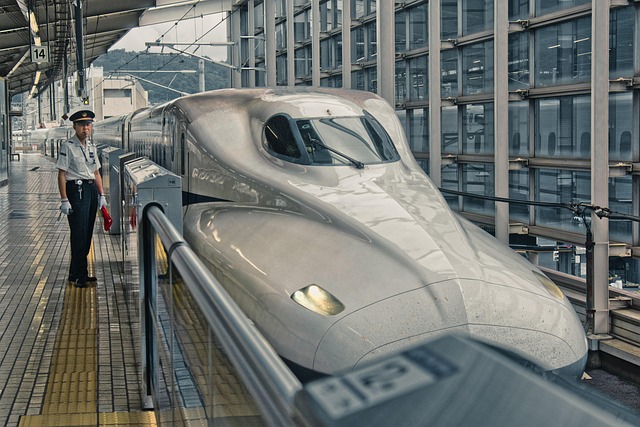
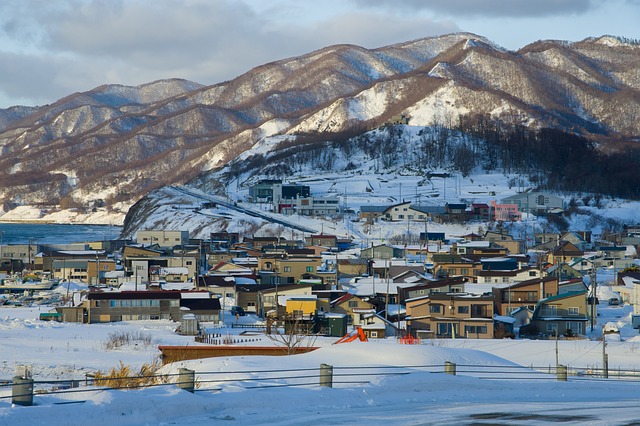
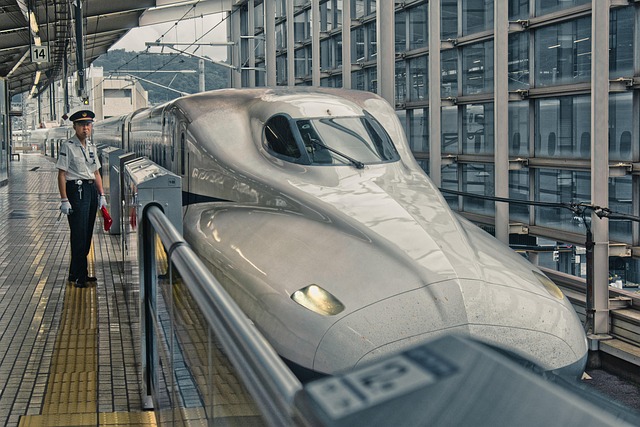
There is a recurring frustration that guidebooks rarely address: the “logistical exhaustion” that sets in during the transition between Japan’s hyper-modern hubs and its rural heartland. Most travelers plan their itineraries based on Shinkansen speeds, assuming that because Tokyo and Nagano are only 90 minutes apart, the transition will be effortless. In reality, the physical toll of navigating massive stations like Shinjuku, combined with the sudden shift from paved city streets to the icy, uneven terrain of the Japanese Alps, often leads to “Day 4 Burnout.” Guidebooks show you the destination, but they fail to mention the sheer cognitive load of managing different regional transport systems and the dramatic climate shifts between the humid coast and the snowy mountains.
Field-Tested Solutions for the Modern Explorer
To bypass the common pitfalls of a Tokyo-Nagano-Kyoto circuit, you must move beyond the standard tourist maps. Instead of treating Nagano merely as a “stopover” for snow monkeys, use it as a strategic base for deep cultural immersion. Most travelers rush back to the station after seeing the macaques, but the real value lies in the Zenko-ji Temple complex. Arriving for the morning “O-Asatome” (morning service) offers a spiritual gravity that even Kyoto’s most famous temples often lose due to midday crowding.
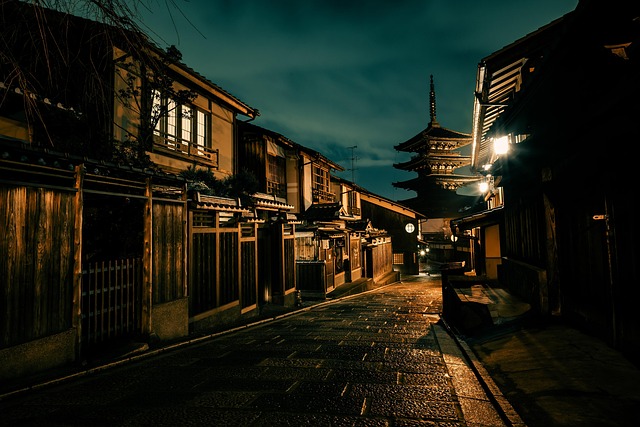
In Tokyo, the common mistake is over-scheduling the “Big Three”: Shibuya, Shinjuku, and Akihabara. To maintain your sanity, balance these high-sensory environments with a “buffer day” in a neighborhood like Yanaka or a pre-booked morning at the Ghibli Museum. If you cannot secure Ghibli tickets, don’t despair; the Edo-Tokyo Open Air Architectural Museum provides a similar whimsical aesthetic with a fraction of the stress. Furthermore, when transitioning to Kyoto, avoid the temptation to see every shrine. Focus on the “High-Low” strategy: visit one major site like Fushimi Inari at dawn, then spend the rest of the day wandering the quieter, secondary temples of the Higashiyama district where the atmosphere remains preserved.
The Insider’s Verdict: Finding the “Ma” in Your Itinerary
In Japanese aesthetics, there is a concept called “Ma”—the beauty in empty space. As a professional in the travel industry, the biggest mistake I see is a “packed” itinerary that leaves no room for the unexpected. Japan is a country that rewards the pause. It is the spontaneous conversation with a craftsperson in a Nagano backstreet or the discovery of a hidden jazz kissa in an Osaka basement that defines a trip, not the number of stamps in your travel book.
If you are venturing into the Alps during winter, respect the terrain. The walk to the Jigokudani Monkey Park is deceptively long and can be incredibly muddy or icy; proper footwear is not optional. Finally, remember that the “Golden Route” is a marathon, not a sprint. By leveraging luggage forwarding and prioritizing quality of experience over the quantity of locations, you transform a frantic sightseeing checklist into a sophisticated cultural journey.
KEYWORDS: nagano snow monkeys, shinkansen train, kyoto temple garden
Photo: Pixabay / Pixabay License