AKIO NARIMATSU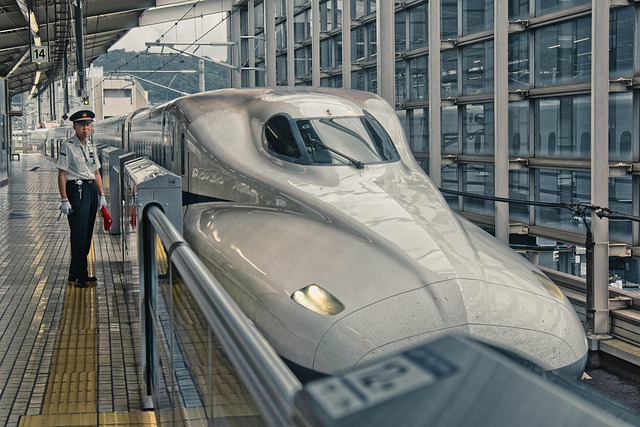
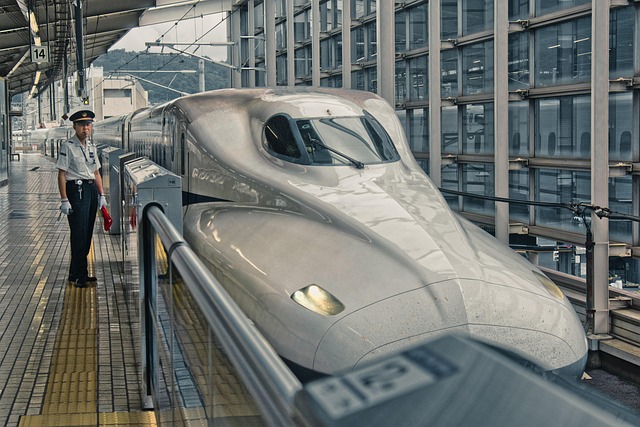
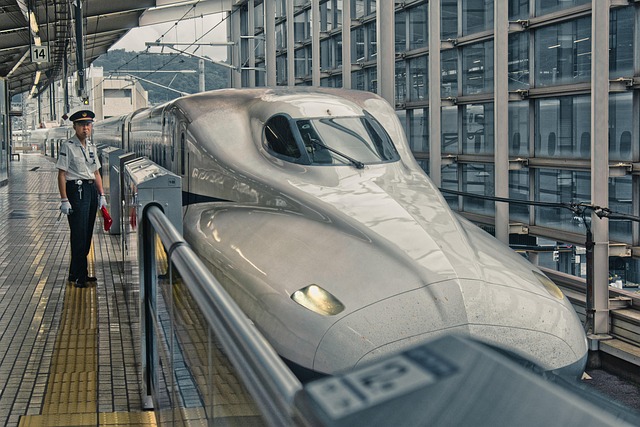
- Leverage the Takkyubin Service: Never drag heavy suitcases through crowded subway stations. Use luggage forwarding services (Takkyubin) to send your bags between hotels for a nominal fee, allowing you to travel hands-free on the Shinkansen.
- Digitize Your Transit Pass: Skip the physical ticket machines by adding a Suica or Pasmo card directly to your smartphone’s digital wallet. It allows for instant top-ups and seamless “tap-and-go” entry at almost every turnstile in the country.
- The 8:00 AM Rule: To experience iconic sites like Kyoto’s Fushimi Inari or Arashiyama Bamboo Grove without the wall-to-wall crowds, you must arrive before 8:00 AM. By 10:00 AM, the “magic” is often replaced by heavy foot traffic.
- Book “Green Cars” for Long Hauls: On rail journeys exceeding three hours, the modest surcharge for a Green Car (first class) seat is a vital investment in your physical stamina, offering more luggage space and a significantly quieter environment.
The Golden Route Grind: Why Your Itinerary is a Beautiful Trap
There is a recurring phenomenon in Japan travel that most glossy brochures and mainstream guidebooks conveniently ignore: the “Golden Route Exhaustion.” Travelers meticulously plan their 14-day journeys across Tokyo, Hakone, Kyoto, Osaka, and Hiroshima, assuming that because the transit is efficient, the experience will be effortless. The reality on the ground is often a blur of train platforms, temple fatigue, and the physical toll of walking twenty thousand steps a day on concrete.
The genuine frustration isn’t a lack of things to see; it is the overwhelming density of the “must-do” checklist. Travelers often find themselves “seeing” Japan through a viewfinder, rushing from one landmark to the next to stay on schedule, only to realize by day seven that they are too exhausted to appreciate the very culture they flew thousands of miles to experience. The logistical precision required to execute a standard multi-city itinerary can turn a vacation into a high-stakes military operation.
Field-Tested Strategies for a Balanced Journey
To bypass the common pitfalls of the over-scheduled traveler, seasoned visitors utilize a “Hub and Spoke” strategy. Instead of changing hotels every two nights—which consumes vital morning hours in check-outs and bag storage—smart travelers anchor themselves in a central city like Osaka. From there, Kyoto, Nara, Kobe, and even Himeji are all within a 30-to-60-minute train ride. This allows for a consistent “home base” and the flexibility to pivot plans based on weather or energy levels.
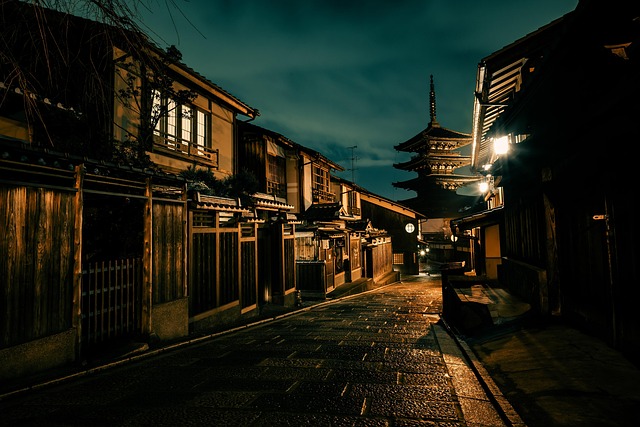
Another insider workaround involves the evening “Depachika” run. Rather than battling for dinner reservations in tourist-heavy districts like Gion or Shinjuku, head to the basement of major department stores (like Isetan or Takashimaya) an hour before closing. You will find gourmet-level sushi, wagyu bento boxes, and seasonal delicacies at significant discounts. It is the ultimate hack for a high-quality, low-stress meal after a long day of exploration.
Furthermore, savvy travelers are now prioritizing “Secondary Cities” to break the cycle of over-tourism. Swapping a day in the crowded streets of Kyoto for the preserved samurai districts of Kanazawa or the culinary delights of Fukuoka offers a more authentic glimpse into Japanese life without the elbow-to-elbow congestion of the main tourist artery.
The Insider Perspective: Quality Over Quantitative Coverage
In the industry, we often say that “Japan is best enjoyed in the pauses.” The most profound moments rarely happen while standing in a queue for a famous ramen shop; they happen in the quiet neighborhood shrines, the small standing bars (tachinomiya), and the spontaneous interactions with local artisans. My professional recommendation is to adopt the “One-In, One-Out” rule: for every major, crowded landmark you visit, schedule an equal amount of time in an unstructured neighborhood or a local park.
Modern Japan travel is shifting away from the “all-you-can-see” model toward a more curated, intentional approach. The goal is no longer to prove you were there with a photo, but to understand the rhythm of the place. By slowing down the itinerary and building in “buffer days” where nothing is planned, you allow Japan to reveal itself to you in ways a guidebook never could.
KEYWORDS: kyoto bamboo forest, shinkansen train, japan street photography
Photo: Pixabay / Pixabay License