AKIO NARIMATSU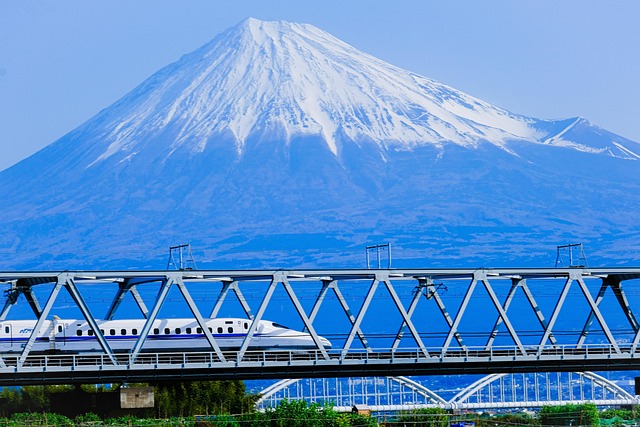
Mastering the 14-Day Japan Odyssey: Beyond the Checklist
- Leverage Takkyubin (Luggage Forwarding): Never drag a suitcase through a crowded train station. For roughly $15–$20, hotels will ship your luggage to your next destination overnight, allowing you to travel light and stress-free.
- The “7:00 AM Rule”: If a site is world-famous (like Fushimi Inari or the Arashiyama Bamboo Grove), you must arrive before 7:30 AM. By 10:00 AM, the atmosphere shifts from spiritual to a logistical bottleneck.
- Digital IC Card Integration: Add a Suica or Pasmo card to your smartphone’s digital wallet immediately. It eliminates the need to stand at ticket machines and works seamlessly at 7-Eleven, vending machines, and local buses.
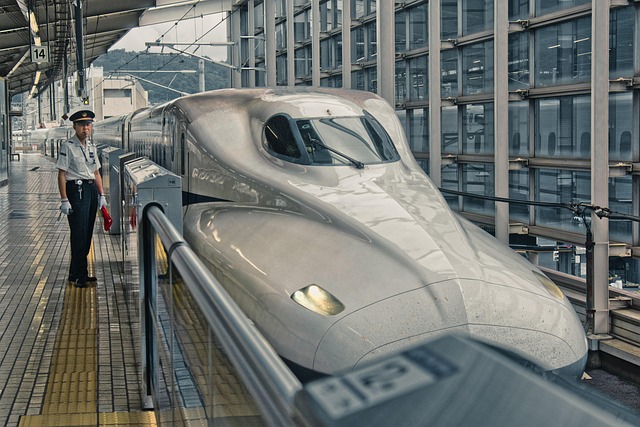
- Book Shinkansen “Seat E”: When traveling from Tokyo toward Kyoto/Osaka, book a window seat on the right side (Seat E) for the best views of Mt. Fuji without leaving your seat.
The Invisible Wall: The “Golden Route” Fatigue
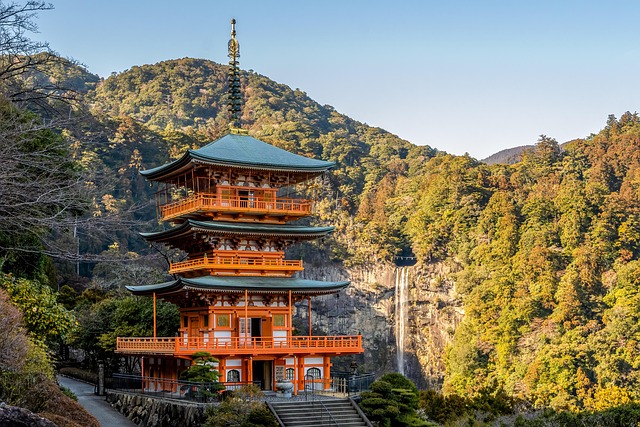
Every first-time traveler to Japan follows the “Golden Route”—Tokyo, Kyoto, and Osaka. While these cities are iconic, guidebooks often fail to mention the genuine frustration of the “Checklist Curse.” This is the psychological exhaustion that sets in by day eight, when the third Zen temple starts to look like the first, and the sheer density of crowds in places like Gion begins to erode the magic of being in Japan. The problem isn’t the destinations themselves; it’s the relentless pace dictated by outdated travel manuals that prioritize volume over depth. Travelers often find themselves spending more time navigating transit hubs and standing in lines than actually experiencing the culture they flew thousands of miles to see.
Field-Tested Workarounds for the Modern Traveler
To reclaim your itinerary, you must embrace the “Secondary City” strategy. Instead of spending five days fighting the crowds in central Kyoto, consider using nearby Uji or Otsu as your base. You get the same historical gravity and stunning temple architecture with a fraction of the foot traffic. In Tokyo, skip the chaos of the Shibuya Scramble after the initial photo op and head to Setagaya or Kichijoji. These neighborhoods offer the “real” Japan—local jazz cafes, stationery shops, and izakayas where the pace is human and the service is intimate.
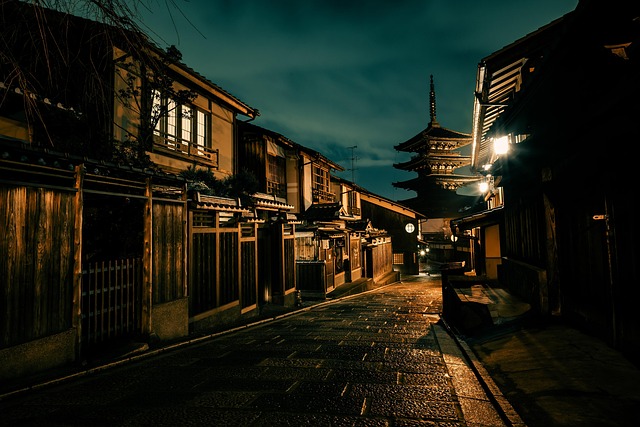
Another insider hack involves the evening hours. Most tourists retreat to their hotels or westernized malls after dinner. However, Japan’s shrines and temples often take on a celestial quality after dusk. While the main halls may be closed, the grounds of many shrines (like Yasaka in Kyoto) remain open and illuminated, offering a hauntingly beautiful experience that feels entirely private. Furthermore, utilize the SmartEX app for Shinkansen bookings. It allows you to change your departure time up to four minutes before the train leaves, providing a level of flexibility that the standard JR Pass simply cannot match in the post-price-hike era.
The Insider’s Perspective: From Sightseeing to Soul-Searching
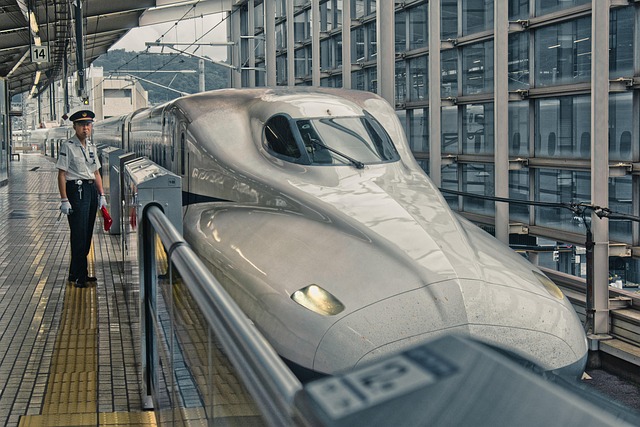
After decades in the industry, I’ve observed that the most successful trips aren’t defined by how many landmarks were checked off, but by the “blank spaces” in the schedule. Japan is a country of extreme friction and extreme convenience; the joy lies in navigating that tension. My recommendation is to follow the “One Big Thing” rule: schedule one major activity per day, and leave the rest to serendipity. Whether it’s a spontaneous turn down a narrow alleyway in Shinjuku or a long, unplanned soak in a neighborhood sento (public bath), these are the moments that stick. The real Japan isn’t found in a crowded forest of selfie sticks; it’s found in the quiet nod of a master chef or the precision of a train conductor. To see it, you have to slow down enough to look.
KEYWORDS: shinkansen mount fuji, kyoto temple, luggage forwarding service
Photo: Pixabay / Pixabay License