AKIO NARIMATSU
Mastering the Golden Route: A 10-Day Blueprint for the Modern Japan Traveler
- Digital Transit Integration: Add a Suica or Pasmo card to your smartphone’s digital wallet before you land. It eliminates the need for physical tickets and works seamlessly for both trains and convenience store purchases.
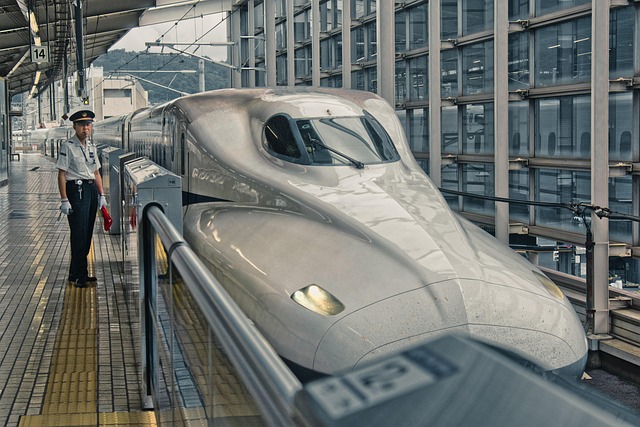
- Hands-Free Transit: Use Takkyubin (luggage forwarding) to send your large suitcases from your Tokyo hotel directly to your Osaka or Kyoto destination. Traveling on the Shinkansen with nothing but a small daypack is the ultimate “pro” move.
- The 7 AM Rule: To experience the serenity of Kyoto’s Fushimi Inari or Arashiyama Bamboo Grove, you must be on-site by 7:00 AM. By 9:30 AM, these locations lose their magic to the sheer volume of tour groups.
- Strategic Dining: Download the “TableCheck” or “Tabelog” apps to secure dinner reservations. Walking into a highly-rated Izakaya without a booking is increasingly impossible in major tourist hubs.
The Invisible Exhaustion: What Guidebooks Never Mention
Most travelers approach a 10-day Tokyo-Kyoto-Osaka itinerary as a sprint, assuming the efficiency of Japanese infrastructure will handle the heavy lifting. The “real” problem that standard guidebooks gloss over is the logistical friction of Japan’s urban density. While the trains are indeed on time, navigating a station like Shinjuku or Umeda—which serve millions of passengers daily—can be physically and mentally draining.
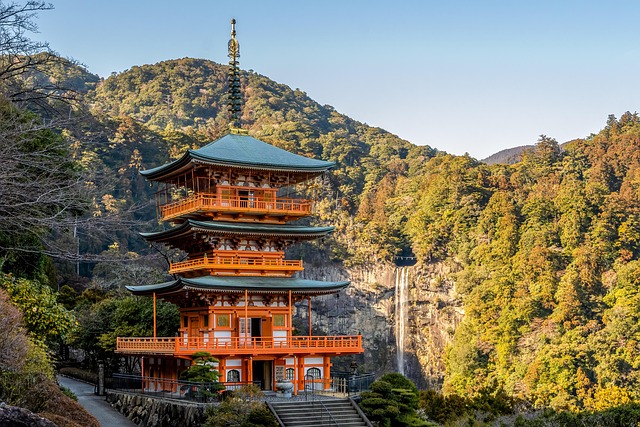
The frustration isn’t the distance between cities; it’s the “last mile” fatigue. Travelers often find themselves walking 20,000 to 25,000 steps a day, much of it on concrete, while navigating complex multi-level underground malls. By day six, “temple burnout” sets in, and the architectural wonder of a 400-year-old shrine is often overshadowed by the desperate need for a seat and some quiet. This sensory overload is the silent itinerary-killer that most first-time visitors fail to account for.
Field-Tested Solutions for the Modern Itinerary
- The “Ueno Pivot”: Instead of staying in the chaotic centers of Shinjuku or Shibuya, base yourself near Ueno Station. It offers direct Skyliner access to Narita Airport and is a major Shinkansen hub, providing a much calmer morning departure and evening return.
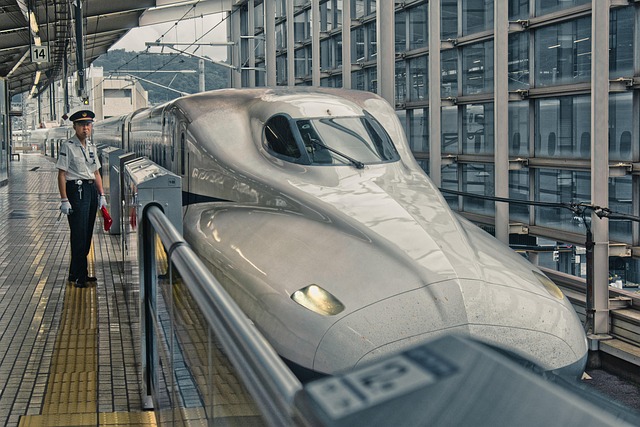
- The Smart EX Advantage: Skip the long lines at the physical ticket offices (Midori-no-madoguchi). Use the Smart EX app to book your Shinkansen seats. Not only can you change your departure time for free up to minutes before the train leaves, but you can also select the specific “E” seats on the Tokyo-to-Kyoto route for the best view of Mount Fuji.
- The “Depachika” Dinner Strategy: When you are too tired for a formal sit-down meal, head to the basement of major department stores like Takashimaya or Isetan. These “Depachika” offer world-class bento, fresh sushi, and gourmet sides at a fraction of restaurant prices, perfect for a high-quality “night in” at your hotel.
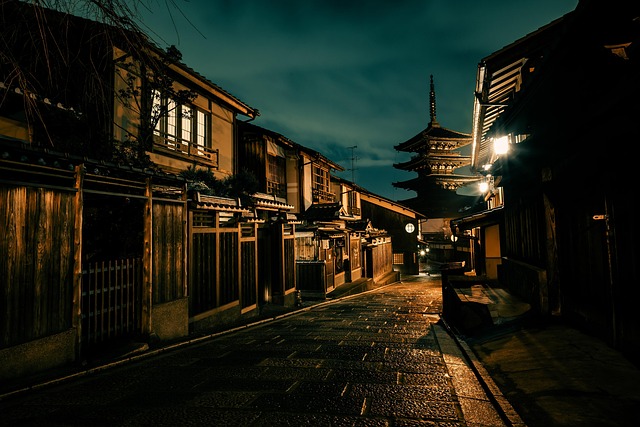
- Reverse Your Sightseeing: Most people hit major landmarks in the morning and shop in the evening. Flip this. Use the quiet morning hours for residential walks or small neighborhood shrines, and visit major landmarks like the Tokyo Metropolitan Government Building or Senso-ji late at night when the crowds have dispersed and the lighting is cinematic.
Expert Perspective: Finding the Japan Between the Landmarks
In my years of consulting for the inbound luxury market, I have observed that the most successful trips are those that treat the itinerary as a suggestion rather than a mandate. The “Golden Route” is popular for a reason—it contains the cultural soul of the nation—but the soul is often found in the gaps between the icons.
Quality of experience always trumps quantity of locations. If you find a small, master-run coffee shop in a Kyoto backstreet, stay for an extra hour. Cancel that third temple visit. The hallmark of an elite traveler in Japan is the ability to recognize when the atmosphere of a single moment is worth more than a dozen checked-off landmarks. Japan is a country of layers; you will never see it all in ten days, so give yourself the permission to see less, but feel more.
KEYWORDS: shinkansen train, kyoto temple, tokyo street photography
Photo: Pixabay / Pixabay License