AKIO NARIMATSU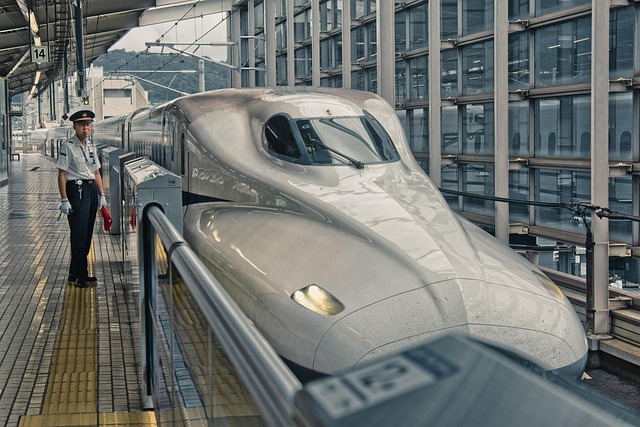
Mastering the Golden Route: A Sophisticated Guide to Your First 14 Days in Japan
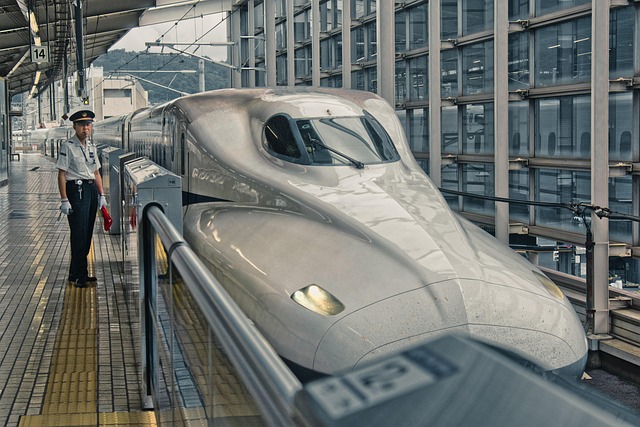
- Embrace the “Takkyubin” Lifestyle: Never drag heavy suitcases through the labyrinthine corridors of Shinjuku or Kyoto Station. Use luggage forwarding services to send your bags between hotels for a nominal fee, allowing you to travel “hands-free” on the Shinkansen.
- Digital IC Integration: Before you even land, add a digital Suica or Pasmo card to your smartphone’s wallet. This eliminates the need to navigate physical ticket machines and works seamlessly for trains, buses, and even convenience store purchases.
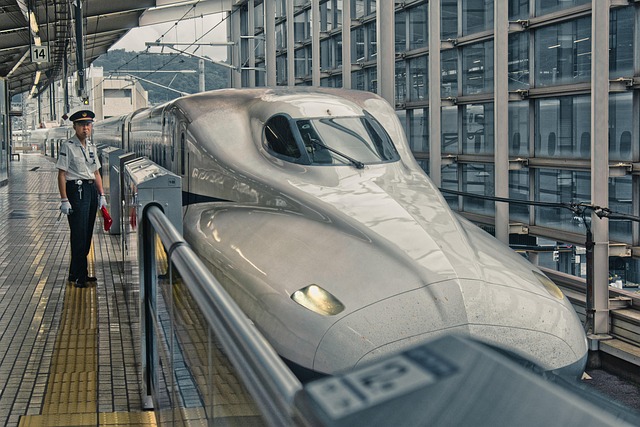
- The Strategic “Seat E” Booking: When traveling from Tokyo toward Kyoto or Osaka on the Shinkansen, always book a window seat on the right side (Seat E in standard cars). On clear days, this provides the most iconic, unobstructed view of Mount Fuji as you speed past.
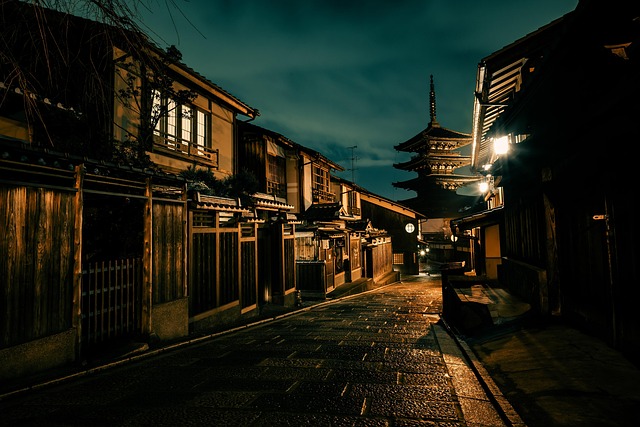
- The Pre-8:00 AM Advantage: Flagship sites like Fushimi Inari in Kyoto or Senso-ji in Tokyo become overcrowded by 10:00 AM. Arriving shortly after sunrise offers a transformative, meditative experience that guidebooks often overlook.
The Invisible Exhaustion of the “Perfect” Itinerary
Most travelers approach a two-week Japan itinerary with a “completionist” mindset, attempting to stitch together every major landmark from Tokyo to Osaka. What guidebooks rarely mention is the “Day 9 Wall.” Japan is a high-sensory, high-impact destination. Between navigating the world’s most complex transit systems and walking an average of 20,000 steps a day, the physical and cognitive load is immense. By the second week, many travelers suffer from “temple fatigue,” where even the most stunning UNESCO World Heritage sites begin to look identical because the itinerary lacks breathing room.
Field-Tested Workarounds for the Modern Traveler
The most effective strategy to combat travel burnout is Strategic Basing. Rather than changing hotels every two nights to “see” Nara, Kobe, and Kyoto, savvy travelers establish a single hub in Osaka. Because the Kansai region is so tightly interconnected by rapid rail, you can reach Kyoto in 30 minutes or Nara in 45. This allows you to unpack once and maintain a consistent “home base,” significantly reducing the stress of constant check-ins and check-outs.
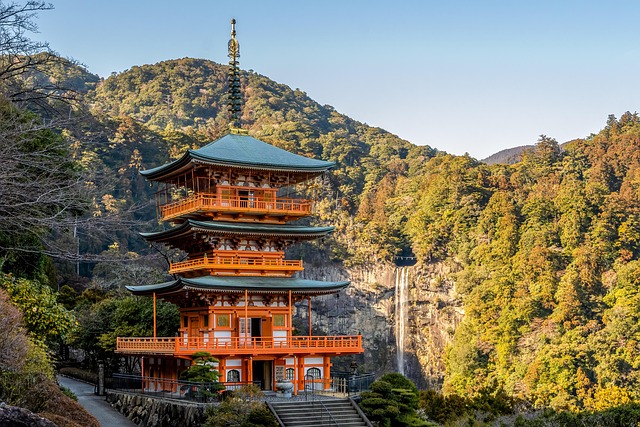
Furthermore, avoid the trap of over-scheduling the “Big Three” (Tokyo, Kyoto, Osaka) without a nature-focused buffer. Inserting a “slow day” in a location like Hakone or the five lakes region near Fuji isn’t a waste of time; it is a necessary recalibration. Use these gaps to engage in active recovery—soaking in an onsen or walking through a quiet cedar forest—to ensure you have the energy to appreciate the neon-soaked density of Shinjuku later in the trip.
The Insider Perspective: Quality Over Quantitative Coverage
From my years within the Japanese tourism industry, I have observed that the most satisfied travelers are those who treat their itinerary as a compass rather than a script. The “Golden Route” is popular for a reason—it represents the pinnacle of Japanese history and modernity—but the magic often happens in the “in-between” spaces. It’s found in a quiet neighborhood izakaya where there is no English menu, or a small local shrine that isn’t on the “Top 10” list.
My professional recommendation is to adopt a “One Major, Two Minor” daily rule. Choose one major landmark you are willing to brave the crowds for, and fill the rest of your day with minor, localized explorations. This prevents the feeling of being a “tourist on a treadmill” and allows the genuine character of Japan to reveal itself to you. Remember: you cannot “finish” Japan in 14 days, so stop trying to. Instead, focus on the depth of the experiences you do have.
KEYWORDS: japan travel itinerary, shinkansen train, kyoto temple garden
Photo: Pixabay / Pixabay License