AKIO NARIMATSU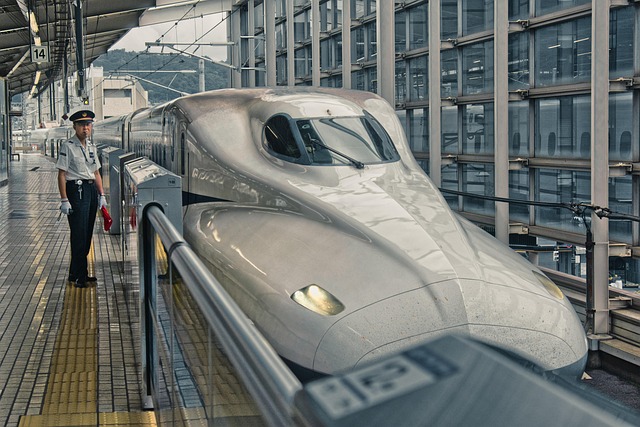
Essential Tips for Navigating Japan’s High Summer
- Leverage the Takkyubin (Luggage Forwarding) System: Avoid the physical exhaustion of dragging suitcases through crowded stations in 35°C heat. Send your bags from your Tokyo hotel to your Kyoto or Osaka destination for a modest fee, allowing you to travel light with only a daypack.
- Sync with the Festival Calendar: July is the peak of matsuri season. Schedule your Kyoto stay around the Gion Matsuri (mid-July) and your Osaka visit for the Tenjin Matsuri (July 24-25) to experience the cultural heart of Japan that transcends standard sightseeing.
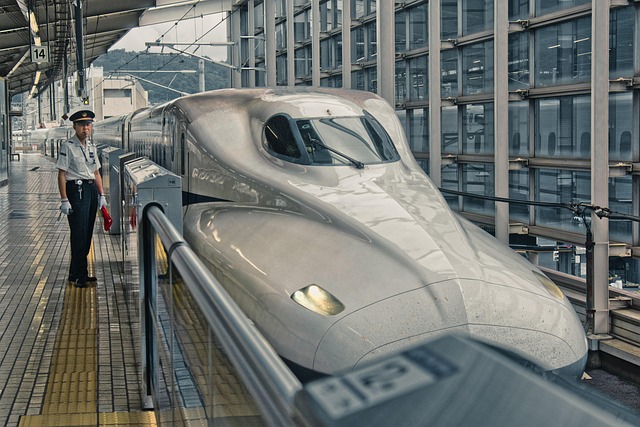
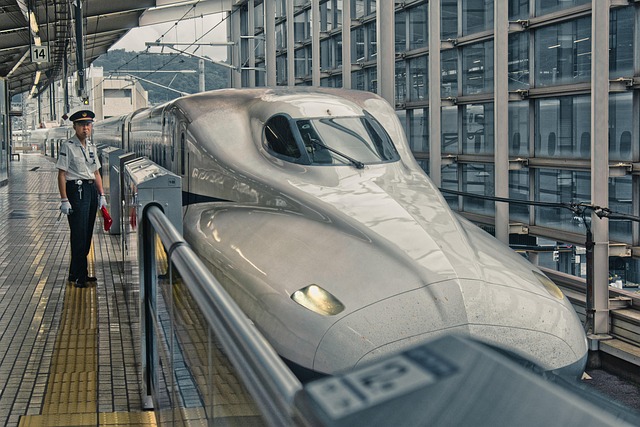
- Master the “Green Car” Strategy: If your budget allows, upgrade to the Green Car on Shinkansen routes during the summer. The enhanced climate control and guaranteed personal space are vital for recovery between cities when the humidity outside is debilitating.
- Utilize the “Depachika” for Gourmet Pacing: When the midday sun becomes unbearable, retreat to the basement food halls of major department stores like Isetan or Mitsukoshi. They offer premium-quality regional delicacies and air-conditioned respite without the wait times of popular street-level restaurants.
The Invisible Barrier: The “Golden Route” Burnout
Most guidebooks present the “Golden Route”—Tokyo, Hakone, Kyoto, and Osaka—as a seamless transition of cultural highlights. However, they rarely mention the psychological and physical toll of executing this itinerary during the height of the Japanese summer. The “real” problem is not the distance between cities, but the sensory overload combined with extreme humidity. Many first-time travelers find themselves “temple-fatigued” by day four because they treat Kyoto like a checklist rather than an environment. The frustration of navigating dense crowds at Fushimi Inari in 90% humidity can quickly turn a dream vacation into an endurance test, leading to friction between travel partners and a blurred memory of the sites themselves.
Field-Tested Strategies for a Balanced Itinerary
To survive and thrive, you must adopt a “Split-Day” philosophy. The most successful travelers front-load their heavy walking—such as the climb at Miyajima or the slopes of Higashiyama—between 6:00 AM and 10:00 AM. By the time the heat peaks at 2:00 PM, you should be transitioning to indoor experiences: a specialized museum in Ueno, a traditional tea ceremony, or even a strategic nap. This rhythmic approach ensures you are energized for the evening, which is when Japanese cities truly come to life in the summer with vibrant night markets and cooler breezes.
Furthermore, do not overlook the value of a “buffer city.” Instead of rushing from the neon intensity of Tokyo straight into the traditional density of Kyoto, consider a stop in Kanazawa or Takayama. These locations offer a sophisticated blend of samurai history and garden aesthetics but at a slightly more manageable pace and often a few degrees cooler than the coastal heat traps. It provides a necessary palate cleanser that prevents the “all temples look the same” syndrome that plagues many mid-trip itineraries.
The Insider Perspective: Embracing the “Mono no Aware” of Summer
From an industry standpoint, July in Japan is misunderstood. While many avoid it due to the heat, it is actually the most “Japanese” time to visit. To truly appreciate this season, you must look beyond the monuments and focus on the seasonal ephemera. This is the time of kakigori (shaved ice) crafted with artisanal precision, the sound of furin (wind chimes) in temple gardens designed to provide a psychological cooling effect, and the sight of locals in yukata heading toward fireworks displays (hanabi).
My professional recommendation is to stop viewing the heat as an obstacle and start viewing it as a catalyst for a different type of travel. In July, the soul of Japan isn’t found in a quiet, empty Zen garden—it’s found in the roar of a festival crowd and the shared relief of a cold glass of Nama Beer in a hidden alleyway. If you plan for the climate rather than fighting it, you will find that the summer months offer a level of emotional depth and vibrant energy that the sterile, “perfect” weather of spring and autumn simply cannot match.
KEYWORDS: kyoto summer festival, shinkansen bullet train, japan luggage forwarding
Photo: Pixabay / Pixabay License