AKIO NARIMATSU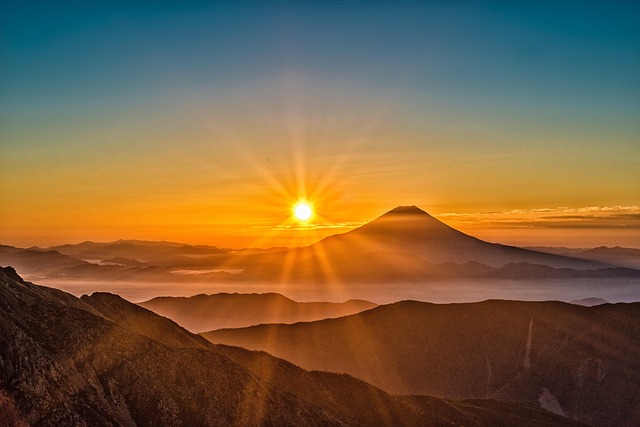
Essential Tactics for Your Next Japan Expedition
- Master the “Hands-Free” Travel System: Use Takkyubin (luggage forwarding) to send your heavy suitcases between hotels. For roughly $15-$20, you can bypass the struggle of navigating crowded train stations with luggage, allowing you to enjoy sightseeing stops between cities.
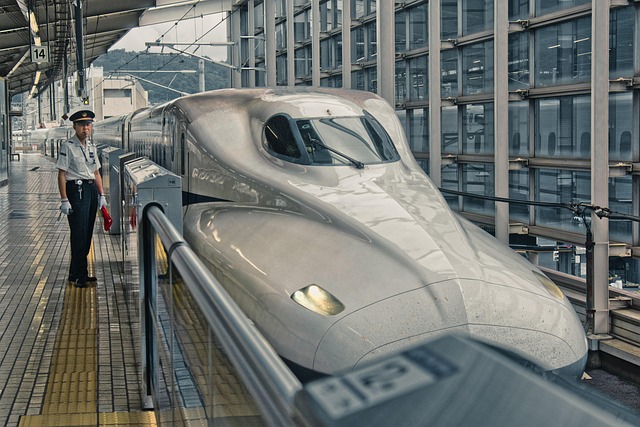
- Secure the “Fuji Side” Seat: When booking the Shinkansen from Tokyo to Kyoto, request a seat on the right side (Seat E in most configurations). This offers the clearest view of Mount Fuji as you speed past Shizuoka Prefecture.
- Digitize Your Transit Pass: Skip the physical lines at the airport for IC cards. Add a Suica or Pasmo card directly to your smartphone’s digital wallet before arrival to tap through ticket gates and pay at vending machines instantly.
- The 10:00 AM Rule: Most major department stores and high-end boutiques do not open until 10:00 AM. Plan your outdoor shrines or garden visits for the early morning to maximize daylight before the retail districts wake up.
The Invisible Exhaustion of the “Golden Route”
Traditional guidebooks excel at telling you where to go, but they rarely prepare you for the psychological and physical toll of the “Golden Route.” The standard 13-day itinerary—Tokyo, Kyoto, Osaka—is a marathon of sensory overload. Travelers often find themselves trapped in a cycle of “temple burnout,” where the fourteenth Zen garden begins to look identical to the first. The genuine frustration isn’t a lack of things to see; it is the sheer logistical density of Japan’s urban centers. Walking 20,000 steps a day on concrete, navigating the labyrinthine depths of Shinjuku Station, and the constant pressure to “see it all” can turn a dream vacation into a series of checked boxes rather than a collection of memories.
Field-Tested Strategies for a Balanced Itinerary
To avoid the common pitfalls of a high-speed itinerary, seasoned travelers utilize specific workarounds that prioritize experience over endurance. One of the most effective “insider hacks” is the 70/30 Rule: schedule only 70% of your day, leaving 30% for the serendipitous discoveries that make Japan magical—a hidden jazz kissa in an alleyway or a local festival you happened to stumble upon.
Another tactical shift involves the “Reverse Commute.” While tourists flock to Kyoto’s Arashiyama Bamboo Grove at 9:00 AM, the savvy traveler arrives at dawn and departs by the time the crowds peak. Instead of fighting for a dinner reservation in Gion, explore the Depachika (department store basement food halls) in the late evening. You’ll find Michelin-quality sushi and seasonal delicacies at significant discounts, which you can enjoy in the quiet comfort of your hotel, recharging for the next day.
The Industry Insider’s Perspective: Seeking the “Middle Ground”
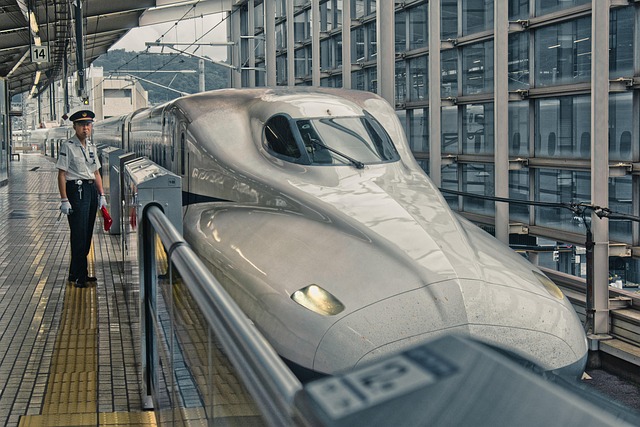
As a specialist in Japanese tourism, I have observed that the most successful trips aren’t defined by the number of shrines visited, but by the “interstitial spaces” between the famous landmarks. The real Japan exists in the transition zones. While the Shinkansen is a marvel of engineering, taking a local train through the mountains of Hakone or the coastal lines of the Seto Inland Sea offers a perspective that the 200mph “bullet” obscures.
My professional recommendation: If your itinerary spans two weeks, sacrifice one day of urban sightseeing for a stay in a rural Ryokan (traditional inn). The forced slow-down of a multi-course Kaiseki dinner and a soak in an Onsen isn’t just a luxury; it is a necessary recalibration. In a country that moves as fast as Japan, the ultimate travel skill isn’t efficiency—it is the ability to know when to stop moving.
KEYWORDS: Kyoto bamboo forest, shinkansen mount fuji, japan travel luggage
Photo: Pixabay / Pixabay License