AKIO NARIMATSU
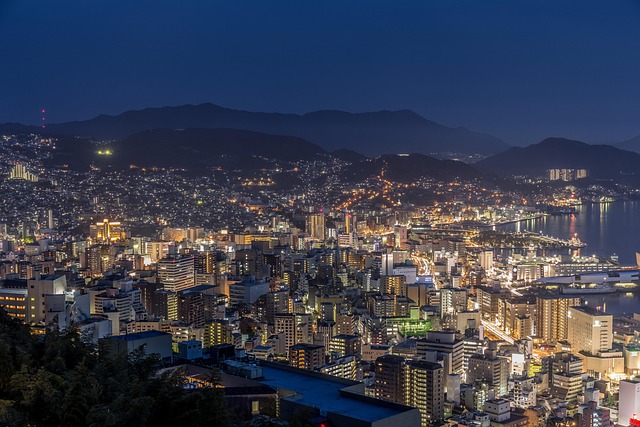
- Secure Shibuya Sky tickets weeks in advance: If you want the coveted sunset slot for those iconic 360-degree Tokyo views, booking on the day of release is non-negotiable.
- Leverage luggage forwarding (Takkyubin): Do not drag suitcases through the labyrinthine corridors of Shinjuku Station; have your bags sent from your Tokyo hotel to your Osaka or Kyoto base for a few thousand yen.
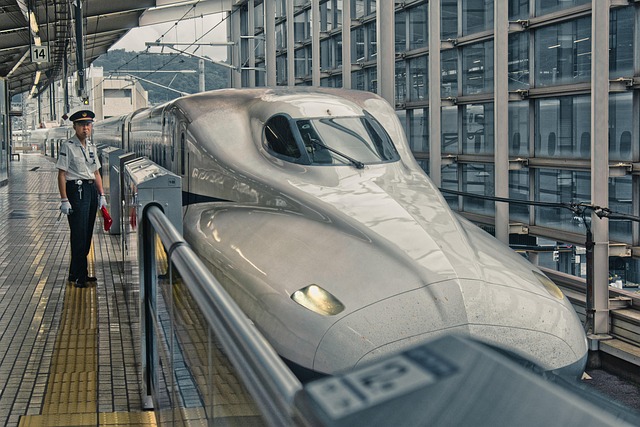
- Master the “Hub-and-Spoke” model: Instead of switching hotels every two nights, base yourself in Osaka for five days to easily access Kyoto, Nara, and Hiroshima via the Shinkansen.
- Download a digital IC card immediately: Add a Suica or Pasmo to your smartphone wallet before you land to bypass ticket machines and move seamlessly through transit gates and convenience stores.
The Invisible Wall: The “Golden Route” Burnout
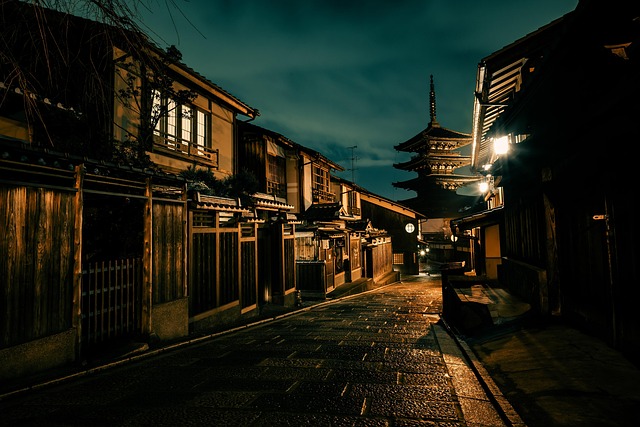
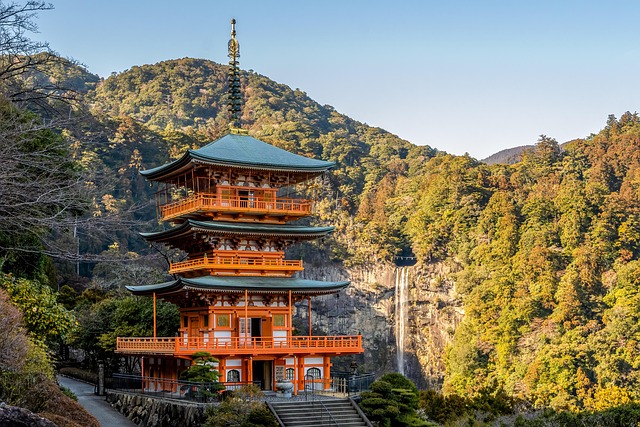
Most first-time travelers to Japan fall into the same trap: the “Golden Route” exhaustion. Guidebooks curate a list of must-see temples, shrines, and neon districts, but they fail to mention the sheer cognitive load of navigating the world’s most complex transit systems while battling “temple fatigue.” By day six, the majestic architecture of Kyoto can begin to blur into a repetitive haze of wood and incense if your itinerary is too dense. The real frustration isn’t finding things to do; it is the physical and mental toll of “doing it all” without accounting for the geographic sprawl of cities like Tokyo and the sheer amount of walking required.
Field-Tested Strategies for a Seamless Experience
To avoid the common pitfalls of a fourteen-day sprint, savvy travelers are now adopting a more surgical approach to their geography. In Tokyo, the secret is neighborhood clustering. Do not attempt to see Asakusa in the morning and Shibuya in the afternoon; the transit time will eat your day alive. Group your explorations by the Yamanote Line quadrants: spend one full day in the East (Akihabara, Ueno, Asakusa) and another in the West (Shibuya, Harajuku, Shinjuku).
Furthermore, the most effective “hack” for the Kansai region is treating Osaka as your tactical headquarters. While Kyoto is beautiful, its nightlife is subdued and its hotel prices are often inflated. By staying near Osaka’s Namba or Umeda stations, you gain access to the best street food in the world and superior transit links. You can reach Kyoto in 30 minutes, Nara in 45, and even execute a seamless day trip to Hiroshima and Miyajima without ever having to pack and unpack your suitcase.
The Insider Perspective: Finding Balance in the Chaos
As an industry veteran, I’ve observed that the most successful trips aren’t defined by the number of shrines visited, but by the “white space” left in the schedule. For a young traveler coming from a metropolis like London, the urge to keep a fast pace is natural, but Japan rewards the patient observer. The transition from the hyper-modernity of Shinjuku’s Golden Gai to the solemn silence of Hiroshima’s Peace Memorial Park requires emotional breathing room.
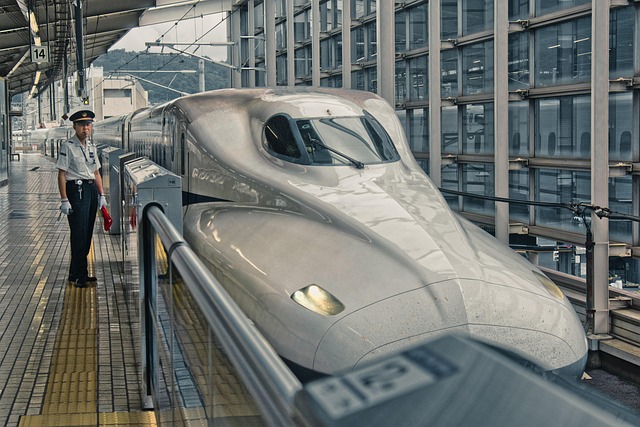
My professional recommendation for a first-timer is to prioritize contrast. Follow a high-energy night in Dotonbori with a quiet morning in the moss gardens of Arashiyama. Use the Shinkansen journeys not just as transit, but as a period of forced relaxation—grab an ekiben (station bento), watch the Fuji-san silhouette pass by, and recharge. Japan is a marathon, not a sprint; the goal is to leave feeling like you’ve seen the soul of the country, not just checked boxes on a map.
KEYWORDS: tokyo city skyline, japanese street food, shinkansen train journey
Photo: Pixabay / Pixabay License